
TL;DR

Get coffee and tea gear delivered free with Prime
- Fast, free delivery on millions of items
- Prime Video, Amazon Music and more included
- Member-only deals all year
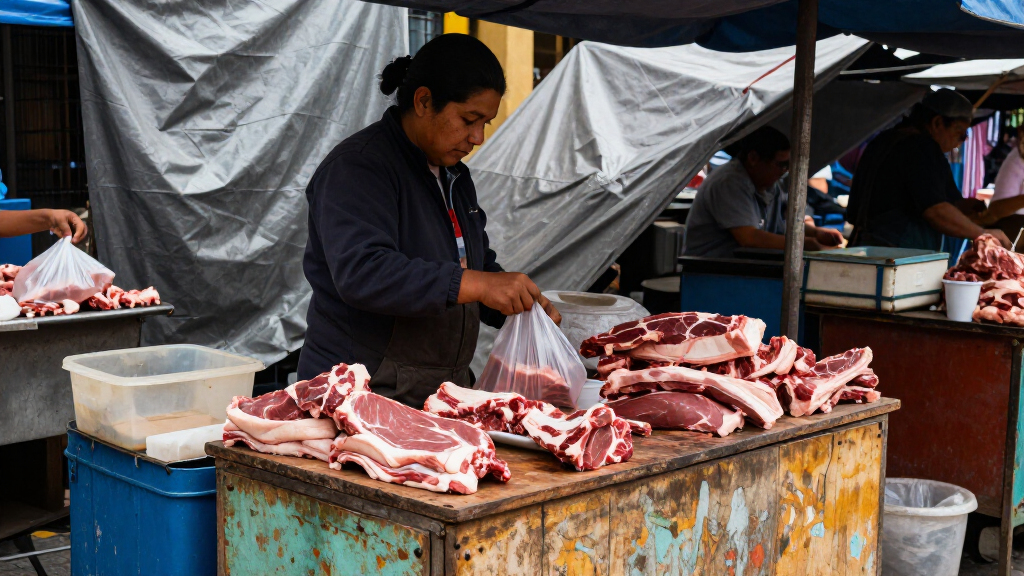
In Bogotá, informal meat stalls operating without official oversight are increasing, raising concerns about food safety and health risks. Authorities are investigating the scope of the issue amid growing public concern.
Meat sold at informal stalls across Bogotá is often unregulated, lacking proper health oversight, according to recent reports. This trend has prompted health authorities to investigate potential food safety risks associated with these vendors, as consumer concerns grow about the safety of meat purchased outside official markets.
Local reports indicate that numerous meat vendors in Bogotá operate without formal licensing or health inspections, often selling meat from makeshift stalls in public areas. Experts warn that such practices can lead to contamination, improper storage temperatures, and exposure to pathogens, increasing the risk of foodborne illnesses.
Recent public interest surged after reports of potential health hazards linked to unregulated meat sales. Authorities have begun to scrutinize these informal vendors, but specific details about the extent of their operations remain unclear. No official data has yet been released quantifying how many stalls are involved or the direct health impacts observed so far.
Officials emphasize that meat safety standards require proper refrigeration, hygiene, and regular inspections—all of which are often absent in these informal settings. The lack of oversight complicates efforts to ensure consumer safety and enforce public health regulations.
Why Unregulated Meat Stalls Matter for Public Health
The proliferation of unregulated meat stalls in Bogotá raises significant public health concerns. Without proper oversight, consumers risk exposure to contaminated meat, which can cause illnesses such as salmonella, listeria, or other bacterial infections. This situation underscores the challenge of balancing informal economic activity with food safety regulations, especially in urban environments with high demand for affordable meat.
Authorities’ response to this trend could influence public health policies and enforcement strategies. If unregulated stalls continue to expand, the potential for outbreaks of foodborne illnesses increases, potentially straining healthcare resources and undermining consumer confidence in local food sources. Addressing this issue is vital to safeguarding health without disproportionately harming informal vendors who rely on these sales for their livelihood.
As an affiliate, we earn on qualifying purchases.
Rise of Informal Meat Sales in Bogotá and Regulatory Gaps
The growth of informal meat vendors in Bogotá reflects broader economic and social dynamics, including limited access to formal markets and regulatory enforcement challenges. Historically, many small-scale vendors operate outside official channels due to bureaucratic hurdles, high licensing costs, or lack of awareness about health standards. This trend has been observed in various Latin American cities, where informal markets serve a significant portion of the population seeking affordable food options.
Recent interest in this issue has been fueled by reports of health risks associated with such vendors, though comprehensive data remains scarce. Authorities have sporadically conducted inspections, but resource limitations and the sheer number of informal stalls hinder comprehensive oversight. The situation is further complicated by the COVID-19 pandemic’s economic impacts, which have increased reliance on informal selling practices.
While some vendors claim they follow basic hygiene practices, there is little formal verification or enforcement, leaving a gap in consumer protection and public health safeguards.
Extent of the Unregulated Meat Market and Health Impact Unknown
It is not yet clear how widespread these unregulated meat stalls are across Bogotá or the direct health impacts on consumers. Official data on the number of vendors, their locations, or specific cases of foodborne illnesses linked to these stalls have not been publicly released. Investigations are ongoing, and authorities have yet to determine the full scope of the problem.
Health authorities in Bogotá are expected to intensify inspection efforts targeting informal meat vendors and implement stricter enforcement of food safety regulations. Additionally, public awareness campaigns are likely to be launched to educate consumers on the risks of purchasing meat from unregulated sources. Further investigations will aim to quantify the extent of the issue and develop strategies to integrate informal vendors into formal supply chains where possible.
Key Questions
Are unregulated meat stalls legal in Bogotá?
Most unregulated meat stalls operate without official licenses or health permits, making them informal and technically illegal under current regulations.
What are the main health risks associated with unregulated meat?
Potential risks include contamination with bacteria such as salmonella and listeria, improper storage temperatures, and exposure to environmental contaminants, all of which can cause foodborne illnesses.
How are authorities addressing this issue?
Authorities are planning to increase inspections, enforce regulations more strictly, and launch public awareness campaigns to mitigate health risks and formalize the sector.
Can consumers identify safe meat sources in Bogotá?
Consumers are advised to buy from licensed vendors and official markets where proper hygiene and safety standards are enforced.
Will informal vendors be able to stay in business if regulations tighten?
It is uncertain; some vendors may adapt to formal standards if support and simplified licensing processes are provided, but others could face closures if compliance proves too costly.
Source: local
Fall Picks
fall essentials
As an affiliate, we earn on qualifying purchases.