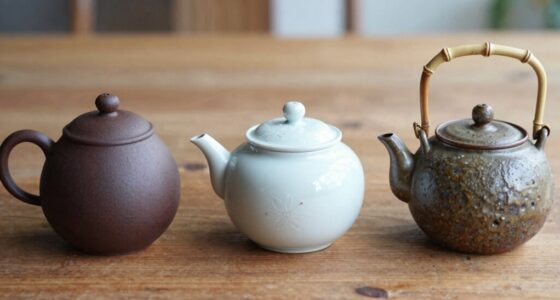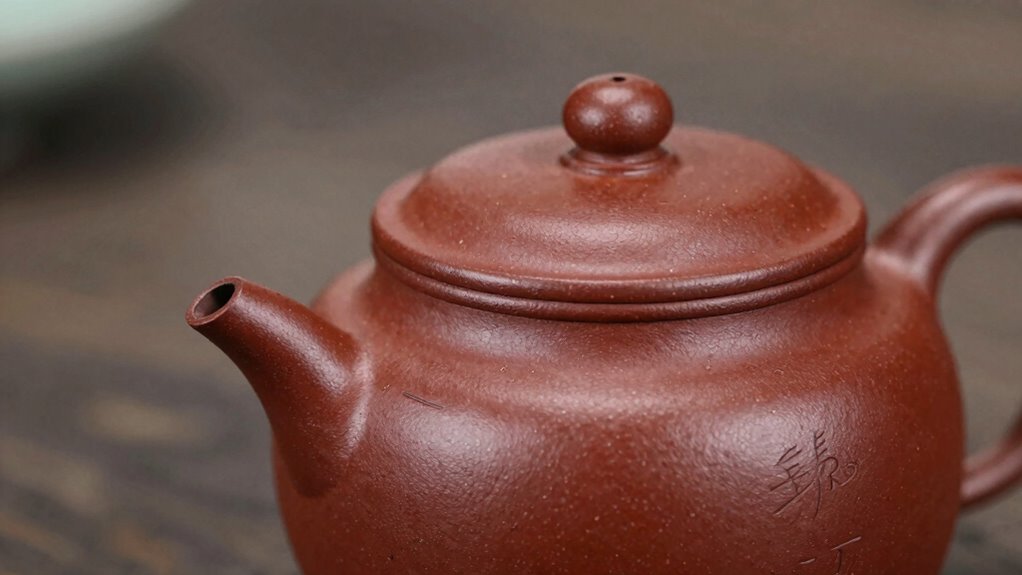

If you’re searching for the ideal Yixing teapot for brewing oolong tea, you’re looking at a category that balances tradition, craftsmanship, and functionality. The best overall pick is the Zisha Large Tea Pot from Zini, thanks to its generous capacity and premium clay. For those seeking affordability, the Chinese Handmade Yixing Clay Teapot offers great value, while the Artisan Yixing Clay Teapot delivers exquisite craftsmanship. The main tradeoffs revolve around size, material quality, and ease of use—larger models often require more careful handling, and some teapots may need seasoning. Keep reading for a detailed breakdown of each option and what makes them stand out for different needs.

Get coffee and tea gear delivered free with Prime
- Fast, free delivery on millions of items
- Prime Video, Amazon Music and more included
- Member-only deals all year
Complete the kit


Key Takeaways
- The size of the teapot significantly impacts brewing volume and handling; larger models are better for multiple servings but may be bulkier.
- Handmade Yixing teapots often offer superior craftsmanship and unique character but come at a higher price point.
- Clay quality and color influence heat retention and aging, which can enhance or diminish the flavor of oolong tea over time.
- Features like built-in filters or infusers add convenience but may limit authenticity or flexibility in brewing styles.
- Budget options still deliver good performance but may lack the durability or intricate detailing of premium models.
| Zisha Large Tea Pot 14.2 Oz Chinese Yixing Clay Handmade Teapot with Filter and Infuser – Zini Purple Clay |  | Best Overall for Versatile Brewing and Artistic Design | Capacity: 14.2 oz | Material: Yixing Purple Clay | Includes: Teapot, Certificate, Gift Box | VIEW ON AMAZON | See Our Full Breakdown |
| Artisan Yixing Clay Teapot 7.8 Oz, Handmade Zisha Tea Pot |  | Best for Traditional Gong Fu Tea and Gift-Giving | Capacity: 7.8 oz | Material: Yixing Zisha clay | Includes: Teapot, Certificate, Gift Box | VIEW ON AMAZON | See Our Full Breakdown |
| Yixing Zisha Kung Fu Teapot, 14oz, with Lid and Cord Clasp |  | Best for Durability and Safety Features in Regular Use | Capacity: 14 oz | Material: Zhuni clay | Firing Temperature: 1150°C | VIEW ON AMAZON | See Our Full Breakdown |
| Yixing Clay Teapot 14oz, Chinese Large Capacity Zini Clay Tea Pot with Tea Towel, Handmade Gift, Black |  | Best for Elegant Presentation and Versatility | Capacity: 14 oz | Material: Zini clay | Weight: 1.2 pounds | VIEW ON AMAZON | See Our Full Breakdown |
| Yixing Clay Teapot 250ml, Red Chinese Style Kung Fu Teapot with Gift Box |  | Best for Compact Brewing and Gift-Giving | Capacity: 250ml / 8.5 oz | Material: Purple clay | Color: Red | VIEW ON AMAZON | See Our Full Breakdown |
| Yixing Zisha Teapot, 10 oz Handmade Purple Clay Kung Fu Tea Pot |  | Best for Traditional Personal Use and Cultural Authenticity | Material: Purple clay (Zisha) | Capacity: 10 oz (300 ml) | Handmade: Yes | VIEW ON AMAZON | See Our Full Breakdown |
| Authentic Yixing Teapot Dragon and Phoenix Tea Pot Big Capacity Purple Clay Tea Set Kettle Kung Fu Teapot (Black) |  | Best for Serving Multiple Guests with Artistic Flair | Capacity: 510ml | Material: Purple clay | Design: Dragon and phoenix | VIEW ON AMAZON | See Our Full Breakdown |
| Chinese Teapot 7.4oz Handmade Yixing Clay Zisha Purple Clay Tea Pot for Gongfu Tea |  | Best for Versatile Brewing and Daily Use | Material: Yixing Zisha clay | Capacity: 7.4oz (220ml) | Design: Traditional rounded body | VIEW ON AMAZON | See Our Full Breakdown |
| yixing teapot for oolong tea | Capacity | Material | Includes |
|---|---|---|---|
| Zisha Large Tea Pot 14.2 Oz Ch | 14.2 oz | Yixing Purple Clay | Teapot, Certificate, Gift Box |
| Artisan Yixing Clay Teapot 7.8 | 7.8 oz | Yixing Zisha clay | Teapot, Certificate, Gift Box |
| Yixing Zisha Kung Fu Teapot | 14 oz | Zhuni clay | Lid, safety rope, gift box |
| Yixing Clay Teapot 14oz | 14 oz | Zini clay | Tea towel, gift box |
| Yixing Clay Teapot 250ml | 250ml / 8.5 oz | Purple clay | Gift box, teapot rope |
| Yixing Zisha Teapot | 10 oz (300 ml) | Purple clay (Zisha) | — |
| Authentic Yixing Teapot Dragon | 510ml | Purple clay | — |
| Chinese Teapot 7.4oz Handmade | 7.4oz (220ml) | Yixing Zisha clay | — |
More Details on Our Top Picks
Zisha Large Tea Pot 14.2 Oz Chinese Yixing Clay Handmade Teapot with Filter and Infuser – Zini Purple Clay
This handmade Zini Purple Clay teapot stands out for its generous 14.2 oz capacity, making it well-suited for both personal and small group brewing. Unlike smaller options like the Artisan Yixing Clay Teapot 7.8 Oz, it offers more flexibility without sacrificing the traditional craftsmanship. The built-in strainer and infuser simplify brewing, especially for oolong, and the natural purple clay preserves flavors effectively. However, its larger size means it requires careful handling and may have visible marks due to its handmade nature. This teapot is ideal for tea lovers seeking an artistic, functional piece that enhances flavor over time.
Pros:- Generous 14.2 oz capacity for multiple cups
- Handmade from natural purple Yixing clay with excellent flavor retention
- Includes built-in strainer and infuser for convenience
- Elegant, artistic design suitable for gifting
Cons:- May have visible marks or imperfections due to handmade process
- Requires careful handling and maintenance
- Limited capacity for larger gatherings
Best for: Tea enthusiasts who appreciate larger capacity and artistic craftsmanship for daily oolong brewing
Not ideal for: Those with limited storage space or who prefer very small, delicate teapots for single servings
- Capacity:14.2 oz
- Material:Yixing Purple Clay
- Includes:Teapot, Certificate, Gift Box
- Handmade:Yes
- Features:Built-in strainer and infuser
Our verdict“This teapot suits serious tea drinkers seeking a large, beautiful piece that improves with use.”
Artisan Yixing Clay Teapot 7.8 Oz, Handmade Zisha Tea Pot
Compared with the larger Zisha Large Tea Pot, this 7.8 oz artisan Yixing teapot excels at brewing multiple small servings, making it perfect for Gong Fu tea sessions. Its Xishi style design adds cultural charm, while the built-in strainer supports precise brewing. The smaller size means it’s easier to handle and store, but it limits the number of cups per brew. As a handmade piece from natural, lead-free Zisha clay, it enhances tea flavor through breathability, yet it demands careful cleaning to avoid clay buildup. This pick is best for tea purists and collectors who value authenticity and detailed craftsmanship.
Pros:- Authentic, lead-free Yixing Zisha clay enhances flavor
- Compact size perfect for small servings and easy handling
- Beautiful artisan design ideal for gifting
- Suitable for multiple tea types including green and Puer
Cons:- Limited capacity for larger groups
- Requires careful cleaning to preserve quality
- Slight variations in handmade craftsmanship
Best for: Tea lovers practicing Gong Fu style brewing or seeking an elegant, gift-worthy teapot
Not ideal for: Large households or gatherings that require bigger teapots for serving multiple people
- Capacity:7.8 oz
- Material:Yixing Zisha clay
- Includes:Teapot, Certificate, Gift Box
- Handmade:Yes
- Design:Xishi style with built-in strainer
Our verdict“This teapot is perfect for traditional small-batch brewing and collectors prioritizing craftsmanship.”
Yixing Zisha Kung Fu Teapot, 14oz, with Lid and Cord Clasp
This 14oz Zhuni clay teapot combines traditional craftsmanship with practical features like a linked lid and safety rope, making it a reliable choice for daily use. Its durability, thanks to high-temperature firing at 1150°C, surpasses more delicate clay options like the Yixing Clay Teapot 14oz, Chinese Large Capacity Zini Clay. The safety rope prevents accidental lid drops, which is important in busy environments, but the high-fired Zhuni clay can be more fragile if mishandled. Its elegant look and safety features make it a solid choice for those who want a balance of tradition and practicality. This model works best for users who value longevity and safety in their brewing experience.
Pros:- Made from high-quality Zhuni clay for durability
- Includes safety features like linked lid and rope
- Elegant design suitable for various tea types
- Fired at 1150°C for strength
Cons:- Limited capacity for large groups
- Variations in handmade pieces
- Requires careful handling due to delicate clay
Best for: Home or office tea drinkers who want a durable, safe, and versatile teapot
Not ideal for: Those seeking a highly decorative or extremely small teapot for personal use only
- Capacity:14 oz
- Material:Zhuni clay
- Firing Temperature:1150°C
- Includes:Lid, safety rope, gift box
- Manufacture Year:2025
Our verdict“This teapot is best for users wanting a durable, safe, and stylish pot for regular tea brewing.”
Yixing Clay Teapot 14oz, Chinese Large Capacity Zini Clay Tea Pot with Tea Towel, Handmade Gift, Black
Matching the capacity of the Zisha Large Tea Pot, this 14oz Zini clay teapot excels in combining functional capacity with aesthetic appeal. Its handmade craftsmanship and elegant black finish make it both a practical brewing vessel and a refined gift. The included tea towel and gift packaging elevate its presentation, making it suitable for gifting or daily use. While the size is beneficial for brewing multiple cups, it shares the same handling considerations as other handmade teapots, requiring careful cleaning and storage. Compared to smaller, more delicate options, this teapot offers a good balance of size and craftsmanship, ideal for those who want a versatile, attractive piece.
Pros:- Large 14oz capacity suitable for multiple cups
- Beautiful handmade design with a sleek black finish
- Includes a tea towel and attractive gift packaging
- Enhances tea flavor through high-quality Zini clay
Cons:- Size may be cumbersome for small kitchens
- Handling delicate due to handmade nature
- Limited to those who appreciate aesthetic design
Best for: Tea drinkers seeking a large, visually appealing teapot for everyday use and gifting
Not ideal for: Those with limited space or who prefer more delicate, small-batch teapots
- Capacity:14 oz
- Material:Zini clay
- Weight:1.2 pounds
- Includes:Tea towel, gift box
- Firing Temperature:1150°C
Our verdict“This teapot is a versatile, stylish option for those who want a larger capacity with elegant presentation.”
Yixing Clay Teapot 250ml, Red Chinese Style Kung Fu Teapot with Gift Box
This 250ml (8.5 oz) red Yixing clay teapot offers a compact option for those who prefer smaller, focused brewing sessions. Crafted from high-quality purple clay, it excels at sealing in aroma and flavor, especially suited for oolong and other delicate teas. Its smaller size makes it ideal for personal use or as a thoughtful gift, with included accessories like a gift box and teapot rope. However, its limited capacity means it’s less suitable for larger groups or frequent entertaining. Compared to larger models like the Zisha Large Tea Pot, it prioritizes intimacy and precision, appealing to solo tea drinkers or collectors.
Pros:- High-quality purple clay enhances aroma retention
- Compact size perfect for personal use
- Includes gift box and accessories, ideal for gifting
- Seals in fragrance effectively for oolong tea
Cons:- Limited capacity for multiple servings
- Handling delicate and handmade items requires care
- Not suitable for large gatherings
Best for: Tea enthusiasts who want a small, elegant teapot for personal brewing or gifting
Not ideal for: Hosts or families needing larger teapots for multiple servings
- Capacity:250ml / 8.5 oz
- Material:Purple clay
- Color:Red
- Includes:Gift box, teapot rope
- Weight:1.2 pounds
Our verdict“This small, handcrafted teapot is ideal for personal brewing and collectors valuing craftsmanship and aroma preservation.”
Yixing Zisha Teapot, 10 oz Handmade Purple Clay Kung Fu Tea Pot
This handcrafted Yixing Zisha teapot stands out for its authentic craftsmanship and elegant calligraphy, making it a beautiful choice for those who value cultural heritage. Its porous surface naturally ages with use, enhancing the depth and richness of oolong tea over time—an advantage over glazed options like the Chinese Teapot 7.4oz, which does not develop flavor profiles. However, this process requires dedicated use with one type of tea to truly benefit, and the handcrafted nature means slight variations are inevitable. Its 10 oz size strikes a balance between personal brewing and small gatherings, but the porous clay demands careful cleaning to prevent staining. Compared to larger models, this teapot excels in traditional ritual and flavor development, though it’s less versatile for casual, everyday use with multiple teas.
Pros:- Authentic handmade craftsmanship with unique calligraphy
- Porous surface naturally enhances tea flavor over time
- Ideal size for Gongfu tea ceremonies or personal brewing
- Supports cultural heritage and traditional artistry
Cons:- Requires use with a single type of tea for optimal seasoning
- Handcrafted items may have slight variations
- Porous clay needs careful cleaning to prevent staining
Best for: Tea enthusiasts seeking an authentic, handcrafted teapot that enhances flavor with seasoning over time
Not ideal for: Casual users or those who prefer low-maintenance, glazed teapots that require less care and no seasoning
- Material:Purple clay (Zisha)
- Capacity:10 oz (300 ml)
- Handmade:Yes
- Features:Calligraphy engraving, porous unglazed surface
Our verdict“This teapot is best suited for dedicated tea lovers who appreciate traditional artistry and flavor development over time.”
Authentic Yixing Teapot Dragon and Phoenix Tea Pot Big Capacity Purple Clay Tea Set Kettle Kung Fu Teapot (Black)
Compared with smaller, more traditional options like the Yixing Zisha Teapot 10 oz, this larger 510ml teapot offers the advantage of preparing multiple servings in one brew, making it ideal for entertaining or family use. Its ornate dragon and phoenix design adds a decorative touch that may appeal to those who prefer a bold aesthetic, though it might be too elaborate for minimalist tastes. Crafted from durable purple clay, it maintains heat well and withstands frequent use, but the ornate design can make cleaning more challenging and may not suit everyone’s decor. This model excels for those who prioritize capacity and visual impact over subtlety, but it’s less suited for strict traditionalists who prefer understated simplicity.
Pros:- Large 510ml capacity for multiple servings
- Handmade with traditional craftsmanship
- Durable purple clay material ensures heat retention
- Decorative dragon and phoenix design adds cultural flair
Cons:- Design may be too ornate for minimalist preferences
- Cleaning can be difficult due to detailed ornamentation
- Limited to tea brewing—less versatile for other beverages
Best for: Tea hosts or families who want a large, visually striking teapot capable of multiple infusions
Not ideal for: Minimalist tea drinkers or those seeking a subtle, understated teapot for daily personal use
- Capacity:510ml
- Material:Purple clay
- Design:Dragon and phoenix
- Style:Traditional Chinese
Our verdict“This teapot is well-suited for those who want a sizable, decorative piece for social brewing, rather than a subtle personal vessel.”
Chinese Teapot 7.4oz Handmade Yixing Clay Zisha Purple Clay Tea Pot for Gongfu Tea
Compared to the smaller, more specialized Yixing Zisha Teapot 10 oz, this 7.4 oz model offers a balanced size suitable for brewing multiple types of teas, including oolong, pu-erh, and green teas. Its traditional rounded design and ergonomic handle make pouring comfortable, while the high-quality Zisha clay ensures excellent heat retention for consistent infusions. This teapot benefits those who want a versatile vessel that can develop complex flavors over time, yet it demands seasoning and gentle cleaning to maintain its character. The moderate capacity makes it less ideal for large groups but perfect for personal use or small gatherings. It strikes a practical balance for those who want a traditional, durable, and flavor-enhancing teapot without the larger footprint of bigger models.
Pros:- Premium Yixing Zisha clay enhances flavor development
- Suitable for a variety of teas including oolong and pu-erh
- Excellent heat retention for consistent brewing
- Ergonomic handle and traditional rounded design for comfort
Cons:- Requires seasoning over time to develop full character
- Limited capacity for larger groups or frequent multiple servings
- Handmade craftsmanship may result in slight appearance variations
Best for: Serious tea drinkers who appreciate versatility and quality for daily Gongfu brewing of different teas
Not ideal for: Casual drinkers or those preferring a larger teapot for frequent hosting or multiple servings at once
- Material:Yixing Zisha clay
- Capacity:7.4oz (220ml)
- Design:Traditional rounded body
- Suitable for:Oolong, pu-erh, green, black teas
- Heat Retention:Excellent
Our verdict“This teapot is ideal for dedicated enthusiasts seeking a versatile, high-quality vessel for everyday Gongfu tea brewing.”

How We Picked
Each teapot was evaluated based on craftsmanship, material quality, size versatility, ease of use, and value for money. We prioritized products with authentic Yixing clay, as the material is central to proper oolong brewing and aging. Our ranking favors teapots that balance traditional features with practical considerations, such as ease of cleaning and handling. We also considered customer reviews and overall reputation to ensure the selected options are reliable and suited for both seasoned tea drinkers and newcomers alike. This approach ensures a mix of premium, mid-range, and budget-friendly choices that meet diverse needs.| yixing teapot for oolong tea | Material | Includes |
|---|---|---|
| Zisha Large Tea Pot 14.2 Oz Ch | Yixing Purple Clay | Teapot, Certificate, Gift Box |
| Artisan Yixing Clay Teapot 7.8 | Yixing Zisha clay | Teapot, Certificate, Gift Box |
| Yixing Zisha Kung Fu Teapot | Zhuni clay | Lid, safety rope, gift box |
| Yixing Clay Teapot 14oz | Zini clay | Tea towel, gift box |
| Yixing Clay Teapot 250ml | Purple clay | Gift box, teapot rope |
| Yixing Zisha Teapot | Purple clay (Zisha) | — |
| Authentic Yixing Teapot Dragon | Purple clay | — |
| Chinese Teapot 7.4oz Handmade | Yixing Zisha clay | — |
Factors to Consider When Choosing Yixing Teapot For Oolong Tea
Choosing a Yixing teapot for oolong tea involves several factors that can significantly impact your brewing experience. It’s not just about aesthetics—size, clay type, and design all influence how the tea develops and how easy it is to use regularly. Being aware of these factors helps prevent common mistakes, such as selecting a teapot too small for communal brewing or one made from inferior clay that won’t age well. Here are key considerations to guide your purchase:Size and Capacity
Size matters because it determines how much tea you can brew at once. Smaller teapots (around 100-150ml) are ideal for personal use and for appreciating the nuances of oolong, especially if you prefer multiple short infusions. Larger models (over 200ml) suit those who brew for several people or want to prepare a full session at once. Keep in mind that bigger teapots may be heavier and require more delicate handling, especially if they are handmade from delicate clay.
Material and Clay Quality
Authentic Yixing clay, especially purple or Zisha clay, is essential for developing the complex flavors of oolong over time. High-quality clay retains heat well and ages gracefully, enhancing the tea’s aroma. Cheaper or poorly made clay can crack or stain more easily and may not offer the same flavor-enhancing properties. When selecting a teapot, look for handmade options with a smooth, even finish—a sign of skilled craftsmanship that will last for years.
Design and Features
Traditional Yixing teapots often feature a simple, unglazed exterior that allows the clay to develop a patina with use. Some models include built-in filters or infusers, which can simplify brewing but might interfere with the teapot’s traditional appeal. Consider whether you want a lid with a tight seal for retaining heat or a spout designed for precise pouring. The design influences how comfortable and effective your brewing process will be.
Ease of Use and Maintenance
While handmade Yixing teapots are beautiful, they require some care, such as seasoning to bring out their best performance. Smaller, simpler designs tend to be easier for beginners to manage, especially when cleaning or rinsing after use. Avoid teapots with intricate carvings or hard-to-reach areas if you prefer low-maintenance options. Proper cleaning and occasional seasoning will help preserve the teapot’s character and flavor profile over time.
Price and Value
Expect to pay more for handmade, artisan-quality Yixing teapots that feature intricate details and superior clay. Budget-friendly options still offer decent brewing performance but may lack durability or the authentic aging process that enhances flavor. Consider your budget alongside how often you plan to brew oolong—investing in a higher-end teapot can be worthwhile if you’re committed to a serious tea practice, while casual drinkers might prefer more affordable, functional options.
Frequently Asked Questions
How do I season my Yixing teapot for oolong tea?
Seasoning a Yixing teapot involves repeatedly brewing tea with the same type of tea you plan to enjoy regularly. Start by rinsing the teapot with hot water, then brew a strong batch of oolong tea, pouring it into the pot and letting it sit for a few minutes. Repeat this process several times over days or weeks; this build-up of tea oils will develop a natural patina that enhances flavor and prevents the teapot from absorbing unwanted odors. It’s a simple but crucial step in maximizing your teapot’s performance over time.
Can I use a Yixing teapot for other types of tea besides oolong?
While Yixing teapots are traditionally used for specific types of tea, especially oolong, pu-erh, and black teas, they can technically be used for other varieties. However, because the clay absorbs flavors over time, it’s best to dedicate a Yixing teapot to one type of tea to avoid flavor crossover. If you enjoy a variety of teas, consider having separate teapots for green, black, and oolong to preserve the unique qualities of each brew.
What size Yixing teapot is best for daily oolong brewing?
For daily personal use, a smaller Yixing teapot in the range of 100-150ml is usually ideal. It allows you to perform multiple short infusions, which is a common oolong brewing technique, without wasting tea or water. Larger teapots, over 200ml, are better suited to brewing for multiple people or if you prefer fewer, larger infusions. Choosing the right size helps optimize flavor extraction while keeping the process manageable.
Are handmade Yixing teapots worth the extra cost?
Handmade Yixing teapots often offer superior craftsmanship, unique character, and better material quality, which can enhance the brewing experience and improve aging over time. They tend to be more durable and develop a richer patina that adds complexity to the tea’s flavor. However, they also come at a higher price and may require more careful handling and maintenance. If you’re passionate about traditional brewing and enjoy collecting or using a piece of artisan craftsmanship, investing in a handmade teapot can be worthwhile.
How long does a Yixing teapot last with proper care?
With proper cleaning, seasoning, and careful handling, a Yixing teapot can last for decades or even generations. The key is to avoid using soap or harsh cleaning agents, as they can damage the porous clay. Regularly rinsing with hot water and gently drying the teapot helps preserve its integrity. Over time, the teapot will develop a seasoned surface that can enhance the flavor of oolong tea, making it a cherished part of your brewing routine for years to come.
Conclusion
For those new to Yixing teapots or brewing oolong, the Artisan Yixing Clay Teapot offers a great balance of craftsmanship and affordability. Serious enthusiasts seeking a reliable, high-capacity option should consider the Zisha Large Tea Pot from Zini for its size and quality. Collectors or those willing to invest in tradition might prefer the Authentic Yixing Dragon and Phoenix Tea Set for its intricate design and aging potential. Casual drinkers or beginners will benefit from simpler, easy-to-maintain models, while seasoned brewers aiming for maximum flavor complexity should look toward handmade, high-quality options with authentic clay. Choose based on your brewing habits, budget, and appreciation for craftsmanship to get the most out of your oolong experience.
Halloween Picks
halloween
As an affiliate, we earn on qualifying purchases.