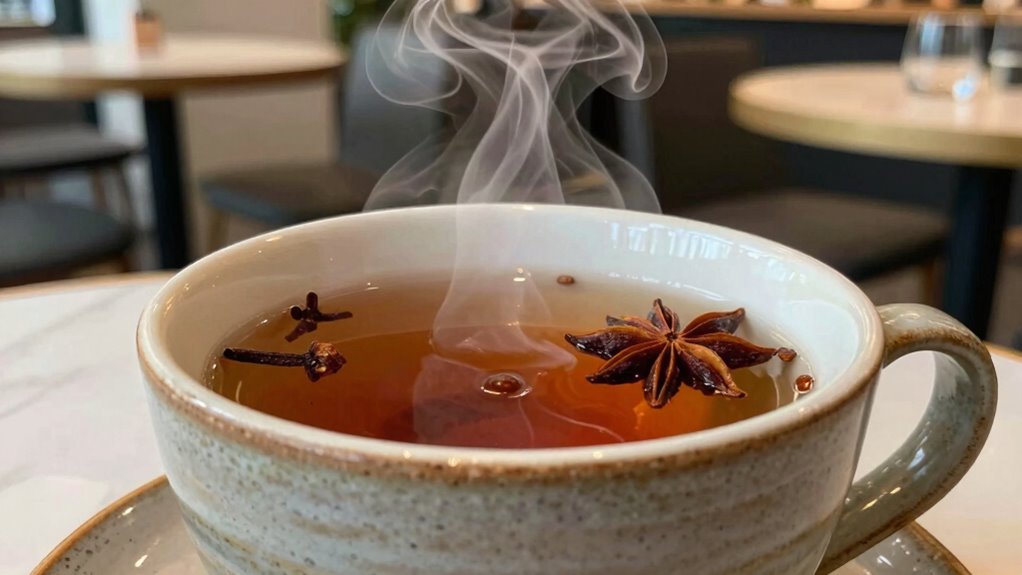

Chai tea influences modern tea culture by blending traditional spice techniques with contemporary flavors, inspiring innovation and cultural exchange. You see this in how cafes adapt chai with ingredients like vanilla or non-dairy milks, creating personalized drinks that appeal worldwide. Its rich aroma and complex flavor foster a sense of community and shared experience. If you explore further, you’ll discover how chai continues shaping trends and connecting people through diverse, authentic tea moments.
Listen free for 30 days with Audible
Thousands of audiobooks and originals — cancel anytime.
As an affiliate, we earn on qualifying purchases.
Key Takeaways
- Chai’s rich aroma and complex flavor profile have elevated sensory experiences in modern tea culture.
- Its adaptation worldwide fosters innovation, blending traditional techniques with contemporary preferences.
- Fusion drinks and artisanal spice blends highlight creativity and global influence in tea practices.
- Chai’s popularity emphasizes authenticity, sourcing, and appreciation for biodiversity in modern beverage trends.
- The social and cultural significance of chai promotes diversity, experimentation, and shared culinary experiences.
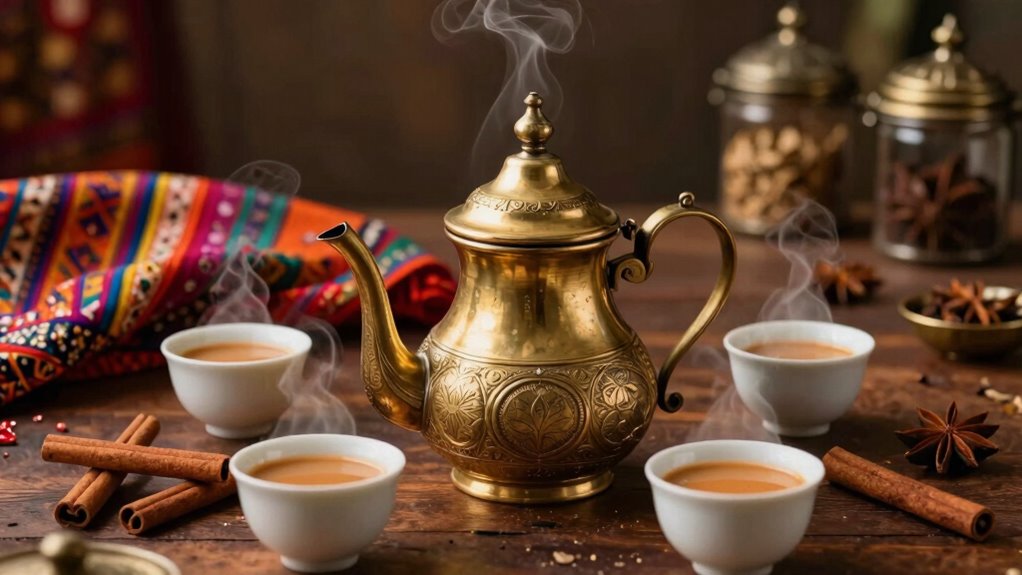
Chai tea has become a defining element of modern tea culture, blending tradition with contemporary tastes. As you explore its popularity, you’ll notice how its rich aroma and complex flavor profile have helped it stand out among other beverages. This distinctive appeal results from a process called flavor fusion, where traditional spices like cardamom, cinnamon, ginger, and cloves combine to create a harmonious and invigorating taste. You might find yourself drawn to its warm, spicy notes, which evoke a sense of comfort and familiarity. Yet, despite its roots in India, chai has undergone significant cultural adaptation as it traveled across the globe. Many cafes and tea brands have put their own spin on the classic recipe, adding ingredients like vanilla, honey, or even non-dairy milks to appeal to diverse palates. This flexibility allows chai to transcend its cultural origins, making it accessible and appealing to a broad audience.
As you indulge in a cup of chai, you experience more than just its flavor; you’re witnessing a cultural exchange. The adaptation process involves blending traditional techniques with modern preferences, shaping a beverage that feels both authentic and innovative. For instance, in Western countries, chai lattes have become popular, providing a creamy, less spicy variation that caters to those who prefer milder tastes. This shift exemplifies how cultural adaptation helps traditional foods evolve, ensuring they stay relevant in changing markets. You might also notice how chai’s popularity encourages local cafes to experiment and create fusion drinks that incorporate global ingredients, further boosting its influence on modern tea culture. Additionally, the spread of chai’s popularity highlights how culinary globalization fosters new ways of experiencing and appreciating traditional beverages. This process often involves cultural adaptation, which allows traditional recipes to resonate with a wider audience while maintaining their core essence. Moreover, the use of diverse ingredients reflects an appreciation for biodiversity and the importance of sourcing unique spices and flavors. The rise of chai also underscores how global food trends shape evolving tastes and preferences around the world.
Furthermore, the increasing interest in authenticity and traditional methods has led to a resurgence of artisanal spice blends and handcrafted chai recipes, emphasizing quality and cultural heritage. Chai’s success reflects its ability to connect people through shared sensory experiences and cultural appreciation. It’s no longer just a morning pick-me-up in India but a global phenomenon that encourages experimentation and personalization. Whether you prefer a classic spice blend or a more modern, customized version, chai invites you to explore its versatility. Its flavor fusion and cultural adaptation demonstrate how traditional recipes can thrive in new environments, inspiring a sense of unity through a shared love of tea. As you savor your cup, remember that you’re part of a larger movement—one that celebrates diversity, innovation, and the timeless appeal of a well-crafted brew.
As an affiliate, we earn on qualifying purchases.
Frequently Asked Questions
How Did Chai Tea Originate Historically?
You might not know that chai tea originated in India centuries ago, blending spices like cardamom, cinnamon, and ginger to create a warming beverage. This spice blending was initially used in Ayurvedic medicine and became a symbol of cultural identity. Over time, chai evolved into a daily ritual, representing hospitality and tradition, and now influences modern tea culture worldwide with its rich history and aromatic spice profiles.
What Are the Health Benefits of Chai Tea?
Imagine chai tea as a friendly guardian, offering herbal properties that soothe your body and mind. It’s packed with antioxidant benefits, like tiny warriors fighting off free radicals. Drinking chai regularly can boost your immune system, improve digestion, and reduce inflammation. Its warm spices act as natural healers, making each cup a comforting, healthful ritual that nurtures your well-being from the inside out.
How Is Chai Tea Prepared Traditionally?
You prepare traditional chai tea by combining black tea leaves with spices like cinnamon, cardamom, cloves, and ginger, then simmering them in water. During the tea ceremony, you often add milk and sweetener, allowing the flavors to infuse deeply. This process creates a rich flavor infusion, emphasizing aromatic spices and creamy textures, which reflect the cultural significance and craftsmanship behind traditional chai preparation.
What Are Popular Modern Variations of Chai Tea?
You’ll find popular modern chai variations infused with spiced flavors like pumpkin, ginger, and cardamom, creating unique and trendy twists. Many prefer using milk alternatives like almond, oat, or coconut milk, making chai accessible for vegans and those with lactose intolerance. These innovations keep chai fresh and exciting, blending traditional spices with contemporary tastes. As a result, chai’s influence on modern tea culture continues to grow, appealing to diverse preferences worldwide.
How Has Chai Tea Impacted Global Tea Consumption Trends?
Chai tea acts as a bridge in global tea consumption trends, symbolizing cultural fusion much like a shared tea ceremony across borders. You see it blending traditions, inspiring modern tea rituals that honor history while embracing innovation. Its spicy warmth invites people worldwide to explore diverse flavors, encouraging a more inclusive, dynamic approach to tea. As a result, chai tea‘s influence sparks a worldwide appreciation for cultural stories brewed into every cup.
Conclusion
As you sip chai, you become part of a timeless symphony, where ancient spices dance in harmony with modern tastes. This rich brew has woven itself into the fabric of contemporary tea culture, igniting a flavorful revolution that stirs both tradition and innovation. With each warm, aromatic cup, you’re not just drinking tea—you’re tasting history’s heartbeat, a fragrant bridge connecting the past’s whisper to the present’s vibrant chorus, forever enriching your tea journey.
College move-in / dorm season Picks
dorm essentials
As an affiliate, we earn on qualifying purchases.