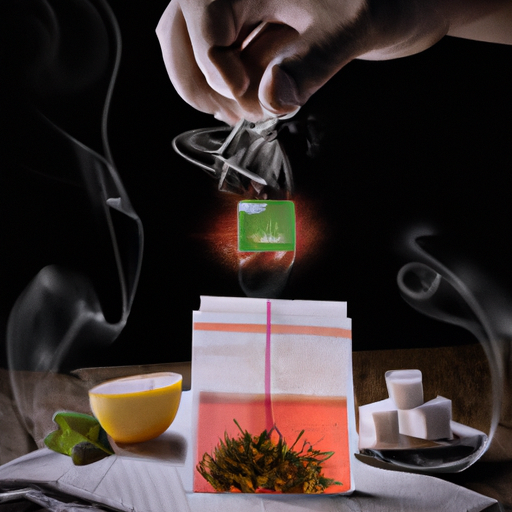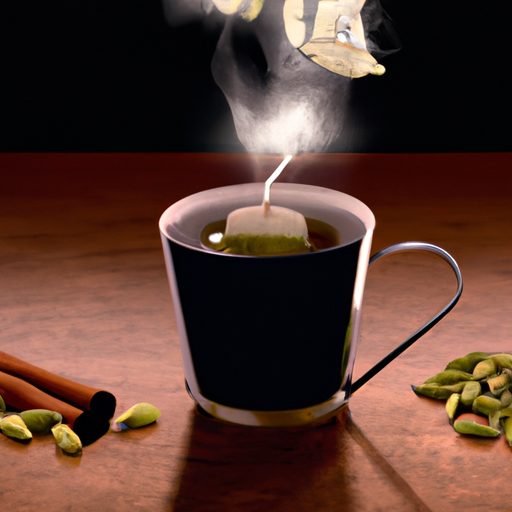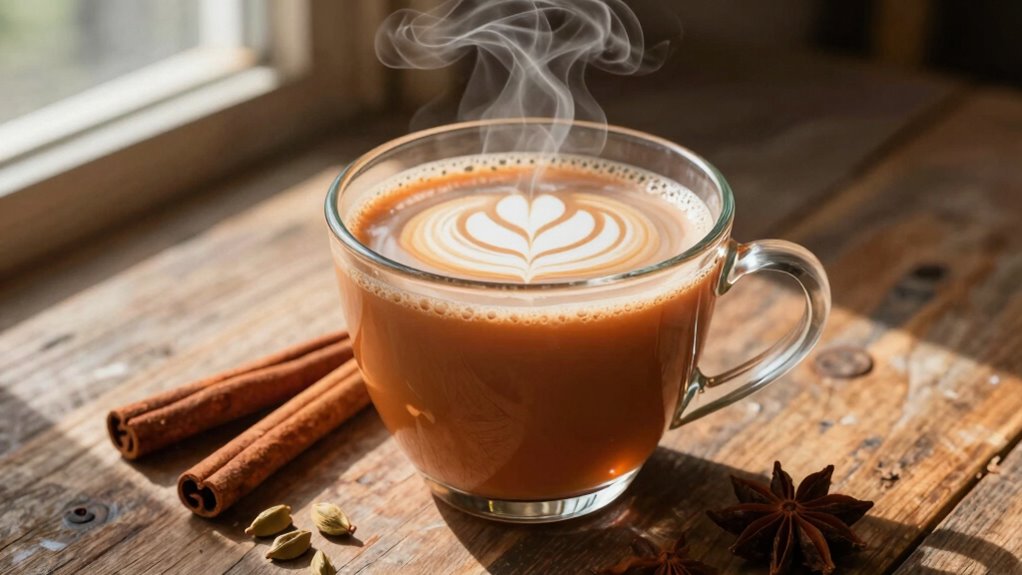

Chai tea deserves a closer look because it’s more than just a warm drink—it’s a carefully crafted blend of spices like cinnamon, cardamom, and cloves that create a rich aroma and complex flavor. The brewing methods and spice proportions vary by tradition, allowing you to customize each cup. Its cultural roots and craftsmanship deepen its significance, making every sip a sensory and historical experience. Keep exploring to uncover the fascinating stories behind each flavorful moment.

Get coffee and tea gear delivered free — and shop member deals
- Fast, free delivery on millions of items
- Access to Prime Big Deal Days deals on October 6–7
- Prime Video, Amazon Music and more included
Key Takeaways
- The complex spice blend creates a rich, aromatic flavor profile worth exploring beyond basic tea.
- Traditional brewing techniques enhance the depth and cultural significance of chai.
- Its ingredients reflect biodiversity, sustainable farming, and cultural heritage.
- Personalization allows for unique, artisanal experiences that deepen appreciation.
- Chai embodies history, craftsmanship, and comfort, elevating it from simple tea to a cultural symbol.

Have you ever truly appreciated the complexity and rich flavor of chai tea? It’s more than just a warm, spicy drink; it’s a carefully crafted experience that combines a unique spice blend with precise brewing techniques. When you take the time to understand what makes chai so special, you realize it’s a lot more than a simple tea infusion. The magic begins with the spice blend, which often includes cinnamon, cardamom, cloves, ginger, and black pepper. These spices don’t just add flavor—they create a symphony of aromas and a depth of taste that evolves with every sip. Each ingredient is chosen intentionally, and the proportions can vary based on tradition or personal preference, allowing you to customize your chai to suit your palate. Understanding the spice blend is the first step toward truly appreciating the complexity behind this beloved beverage.
Brewing techniques further elevate chai from a basic tea to an art form. Unlike brewing a standard cup of tea, making chai involves simmering the spices, tea leaves, and liquids together for a specific period. This slow simmering allows the flavors to meld and intensify, creating a harmonious balance that’s hard to achieve with quick steeping. Some prefer to brew the spices and milk first, letting the flavors infuse thoroughly before adding the tea, while others start with water and then add milk and spices simultaneously. The temperature and timing are vital; too hot or too long, and the spices can become overpowering or bitter. Perfecting these techniques means you get a rich, full-bodied cup that highlights the spices’ nuances and the tea’s robustness. Additionally, understanding how biodiversity influences the cultivation of spices can deepen your appreciation for the intricate connections behind your chai. Recognizing the importance of sustainable farming practices can also help you make more informed choices about the ingredients you use. Moreover, learning about the traditional methods of spice preparation can reveal the cultural significance and history embedded in each cup.
When you pay attention to both the spice blend and brewing techniques, you access a world of possibilities. You can experiment with different spice combinations, adjust brewing times, or even try alternative milks to find what best complements your taste. This attention to detail transforms chai from a simple beverage into a personal ritual—an opportunity to indulge your senses and connect with centuries of tradition. Chai’s appeal isn’t just in its warmth or flavor; it’s in the craftsmanship behind it. Once you grasp the significance of the spice blend and perfect your brewing methods, you’ll see that chai truly warrants a closer look. It’s a drink that combines history, artistry, and comfort in every cup, waiting for you to explore its full potential.
As an affiliate, we earn on qualifying purchases.
Frequently Asked Questions
What Are the Origins of Traditional Chai Tea Recipes?
The origins of traditional chai tea recipes trace back to India, where spice combinations like cardamom, cinnamon, ginger, and cloves created a flavorful brew. Regional variations influence ingredients, with some adding black pepper or star anise. You’ll find that each area adapts the recipe to local tastes, making chai a versatile and evolving beverage. Its rich history reflects a blend of cultural influences, making it a fascinating drink to explore.
How Does Chai Tea Differ From Other Tea Varieties?
Chai tea differs from other tea varieties through its rich tea aroma and complex flavor profile. Unlike plain black or green teas, chai combines black tea with aromatic spices like cinnamon, cardamom, and cloves, creating a warm, inviting scent and a spicy, sweet taste. This blend offers a sensory experience that’s both comforting and invigorating, making chai a unique and flavorful beverage you’ll want to explore further.
Are There Health Benefits Associated With Drinking Chai Tea?
Drinking chai tea offers notable health benefits, much like a warm shield against daily stress. Its herbal properties can soothe your digestion, while the antioxidant effects help combat free radicals, supporting your immune system. For example, the spices like cinnamon and ginger boost circulation and reduce inflammation. Incorporate chai into your routine, and you could enjoy a flavorful drink that not only warms you but also bolsters your health.
What Are the Best Ways to Brew Authentic Chai at Home?
To brew authentic chai at home, start with fresh spice blending—cinnamon, cardamom, ginger, and cloves—and crush them slightly for maximum flavor. Use a saucepan and simmer black tea with milk and sweetener over low heat, allowing the spices to infuse fully. Stir occasionally, then strain out the spices before serving. This technique guarantees a rich, aromatic chai that captures traditional flavors perfectly.
How Has Chai Tea Influenced Modern Coffeehouse Culture?
You walk into a coffeehouse, and the aroma of spice blends like cinnamon, cardamom, and cloves wraps around you like a warm blanket, reflecting chai’s influence. Chai tea’s rich cultural symbolism has inspired modern cafés to blend tradition with innovation, introducing spiced drinks that evoke comfort and community. This fusion has reshaped coffeehouse culture, turning it into a space where diverse flavors unite, fostering connection through shared appreciation for chai’s vibrant heritage.
Conclusion
Next time you sip chai, remember it’s more than just a comforting drink—it’s a global sensation. Did you know that the global chai market is expected to reach over $20 billion by 2025? That’s a clear sign of its growing popularity and cultural significance. So, next time you indulge, appreciate the rich history and vibrant flavors behind every cup. Chai truly deserves a closer look—you might just find a new favorite.
Fall Picks
fall essentials
As an affiliate, we earn on qualifying purchases.