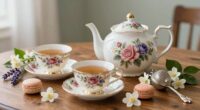
Many tea lovers miss the deep cultural roots and traditions behind Chinese tea. They often focus on taste alone, overlooking the meticulous craftsmanship, ceremonial rituals, and the connections to nature that make each cup special. Chinese tea is about more than drinking—it’s about mindfulness, respect, and harmony passed down through generations. If you look closer, you’ll discover the artistry and history woven into every leaf, enriching your experience far beyond flavor.
Key Takeaways
- The cultural stories and artistry embedded in each tea leaf, creating a deeper appreciation beyond flavor.
- The meticulous, hand-crafted cultivation process that emphasizes patience and connection to nature.
- The traditional tea ceremonies that transform drinking into mindful, ritualistic art.
- The sensory atmosphere of teahouses, where aromas, sounds, and ambiance enhance the experience.
- The craftsmanship and cultural heritage passed through generations, emphasizing authenticity and sustainability.
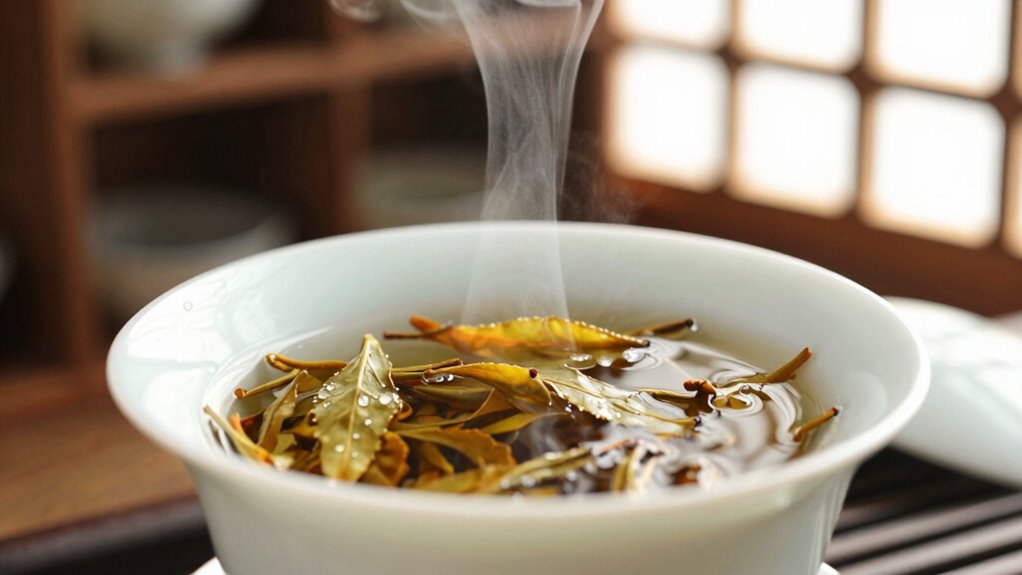
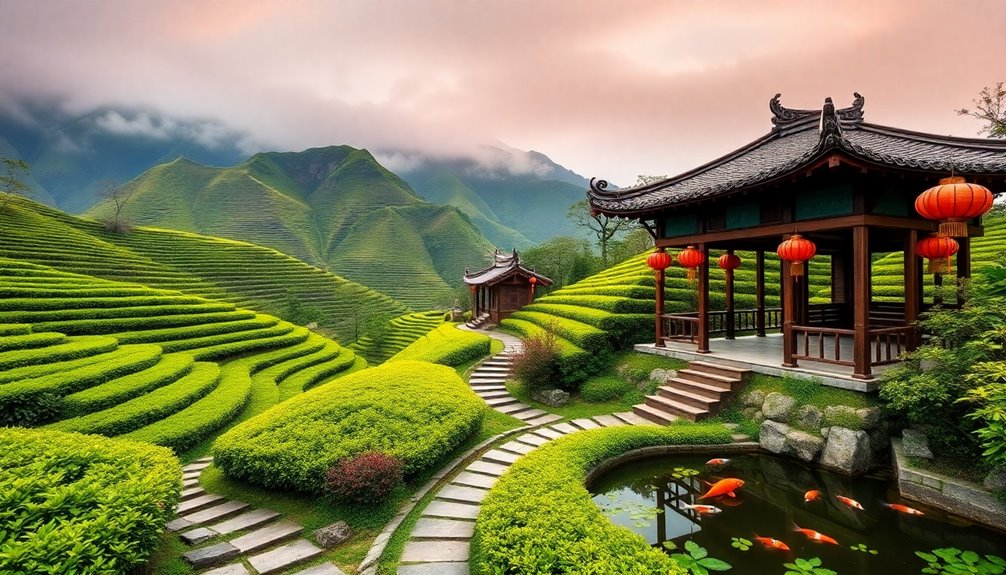
For many tea lovers, the taste and aroma of authentic Chinese tea evoke memories they deeply miss, especially when they’re far from China. It’s not just about drinking tea; it’s about experiencing a rich cultural heritage that’s been cultivated over centuries. You probably miss the meticulous process of tea cultivation—the way farmers handpick tender leaves, carefully tending to each plant to guarantee the highest quality. In China, tea cultivation isn’t just farming; it’s an art form rooted in tradition. The labor-intensive methods, the seasonal cycles, and the connection to nature all contribute to the unique character of Chinese teas. You feel the dedication and patience that go into producing each batch, which makes every sip more meaningful.
You also long for the traditional ceremonies that elevate tea-drinking into a form of art and meditation. These rituals aren’t just about pouring hot water over leaves; they’re about mindfulness, respect, and harmony. When you think of Chinese tea ceremonies, you imagine the precise movements—gently warming the cups, delicately pouring the water, and savoring each sip at just the right moment. The ceremony emphasizes balance and reverence, creating a calming experience that connects you to centuries of cultural practice. It’s a practice rooted in respect for nature, community, and self-awareness that’s hard to find elsewhere.
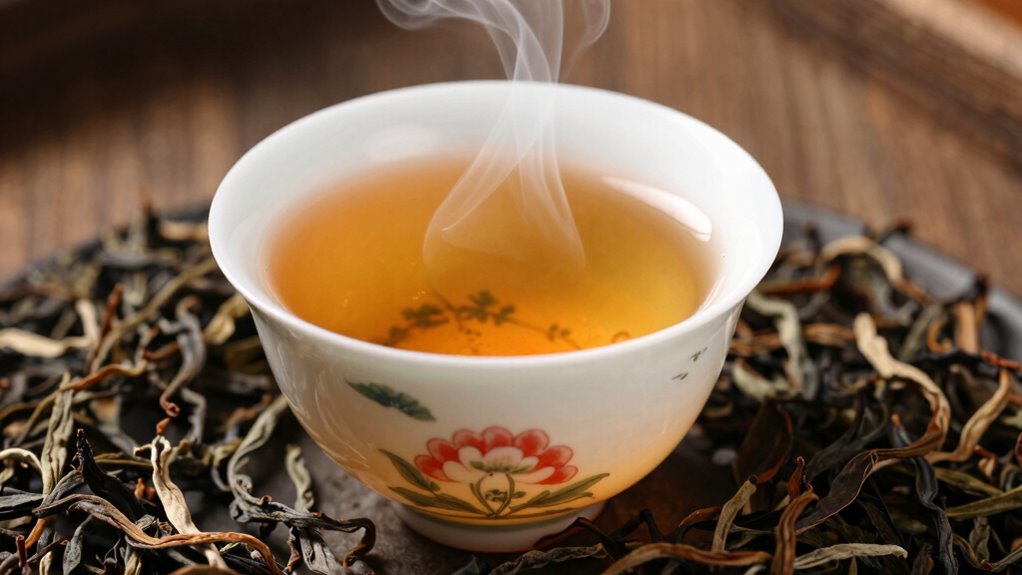
Missing these traditions isn’t just about the act of drinking tea—it’s about the atmosphere and the shared experience. The quiet moments spent in a teahouse, the subtle aroma wafting through the air, and the gentle clink of cups all contribute to a sense of belonging and tradition that’s deeply ingrained in Chinese culture. You miss the sensory richness—the way the tea leaves are cultivated with such care, the ritualistic steps that transform simple leaves into a sacred ritual. These ceremonies often involve more than just drinking tea; they’re about appreciating the artistry behind each step, from cultivation to brewing. cultural significance of Chinese tea ties into philosophies like harmony and balance, enriching the experience beyond just flavor.
The quiet teahouse moments, subtle aromas, and ritual artistry deepen the soul’s connection to Chinese tea traditions.
Additionally, the craftsmanship** involved in every stage of Chinese tea production reflects a deep respect for tradition and skill that’s passed down through generations. The connection to nature is woven into every aspect of Chinese tea, reminding drinkers of the importance of environmental harmony and sustainable practices that sustain this centuries-old tradition. Ultimately, what you miss most about Chinese tea is the authenticity. It’s the harmony between nature, craftsmanship, and tradition that makes Chinese tea stand out. It’s not just a beverage; it’s a living tradition that connects you to a culture that values patience, respect, and artistry. When you’re away from China, you crave that deep connection—those moments of ritual, the stories behind each leaf, and the sense of peace** that comes with truly appreciating Chinese tea in its cultural context.

Chinese Traditional Wedding Decoration Supplies Double Happiness Porcelain Tea Set Teapot and Tea Cup 7 Pcs, Red Wedding Porcelain Tea Set, Double Happiness Tea Service Set for Adults
- Set Includes: Teapot, 6 cups, cloth bag
- Secure Packaging: Foam and shockproof box
- Suitable For: Home, office, gifts, celebrations
As an affiliate, we earn on qualifying purchases.
As an affiliate, we earn on qualifying purchases.
Frequently Asked Questions
How Do Chinese Tea Traditions Vary Across Different Regions?
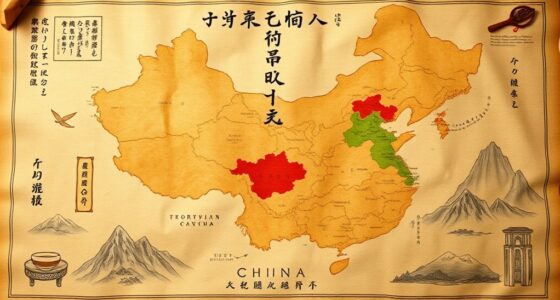
You’ll notice regional tea traditions vary widely across China, shaped by local climate, culture, and tea fermentation methods. In Fujian, you find oolong with its unique fermentation process, while Yunnan offers rich Pu-erh teas that undergo aging. Each region celebrates its own tea varieties, and the brewing techniques differ, making the experience diverse. Embracing these regional differences helps you appreciate the depth and richness of Chinese tea culture.
What Are the Health Benefits Specific to Traditional Chinese Teas?
You’ll find that traditional Chinese teas offer unique health benefits, such as herbal infusions that boost your immune system and improve digestion. Fermentation benefits, especially in teas like Pu-erh, help detoxify your body and support gut health. These teas aren’t just flavorful—they’re also deeply rooted in wellness practices, providing antioxidants and promoting overall well-being that many tea lovers overlook in modern options.
How Has Chinese Tea Culture Evolved Over Centuries?
You’ve seen traditional Chinese tea culture evolve through centuries, blending ancient tea etiquette with modern brewing techniques. Today, you notice a shift from formal ceremonies to a more relaxed, personalized approach, yet respect for brewing methods like Gongfu style remains. You embrace the balance of tradition and innovation, appreciating how centuries-old artistry influences contemporary tea practices, making each cup a reflection of history and your personal taste.
What Are Common Mistakes Beginners Make With Chinese Tea Preparation?
Imagine your tea brewing as a delicate dance, but beginners often stumble with oversteeping or using boiling water, ruining the flavor. These mistakes hinder the true art of tea tasting, where subtle aromas and layers shine through. To avoid this, respect each step—use the right water temperature and steep time. Mastering these basics transforms your tea experience into a symphony, awakening your senses to Chinese tea’s true soul.
Are There Unique Chinese Tea Ceremonies Beyond Gongfu Style?
Yes, beyond Gongfu style, Chinese tea ceremonies like the traditional Chaozhou and Yunnan rituals also emphasize unique ceremonial rituals and tea etiquette. These ceremonies involve precise movements, respectful gestures, and specific serving sequences that deepen your appreciation for tea. By practicing these rituals, you connect more deeply with Chinese tea culture, experiencing a meditative moment that highlights respect, tradition, and the artistry behind each brew.
Conclusion
So, next time you sip your Chinese tea, remember it’s more than just a drink—it’s a symphony of history, culture, and artistry. Don’t let the delicate aroma and nuanced flavors slip by unnoticed. Embrace the magic woven into every leaf, and let it transport you to ancient teahouses and misty mountains. In every cup, there’s a story waiting to unfold—if you listen closely, you’ll discover the soul of Chinese tea whispering just for you.