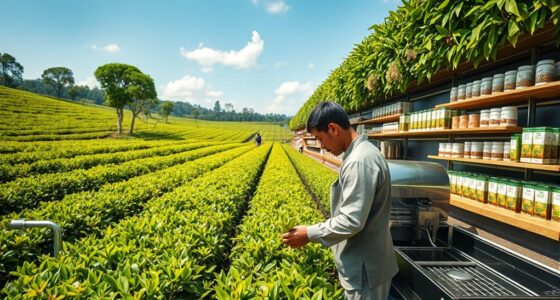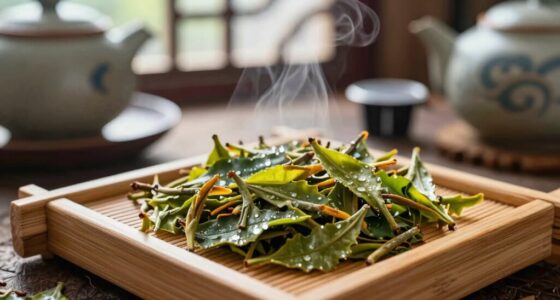
Many tea lovers miss how recent trends go beyond flavor and packaging to prioritize sustainability and craftsmanship. You might not realize that eco-friendly farming and fair wages support global communities and preserve tea plantations for future generations. Artisan brewing elevates your experience by highlighting skillful techniques that bring out complex flavors. If you look closer, you’ll discover these innovations deepen your appreciation and connect you to the story behind every cup. Stay tuned to learn more about these inspiring changes.

Get coffee and tea gear delivered free with Prime
- Fast, free delivery on millions of items
- Prime Video, Amazon Music and more included
- Member-only deals all year
Key Takeaways
- Many overlook the sustainable farming practices that enhance tea flavor and protect the environment.
- The artistry and precision involved in artisan brewing are often undervalued by consumers.
- Consumers may be unaware of how cultivation methods influence tea’s nuanced flavors.
- Ethical sourcing and fair wages are frequently overlooked in favor of price and convenience.
- The deeper cultural and environmental efforts behind high-quality teas are often not fully appreciated.

Have you noticed how the tea industry is rapidly evolving with new trends and innovations? It’s not just about new flavors or fancy packaging anymore. Behind the scenes, there’s a focus on tea sustainability, which is transforming how tea is grown, harvested, and consumed. Many tea lovers overlook how essential sustainable practices are in preserving the environment and supporting local communities. For instance, more tea companies are adopting eco-friendly farming methods, reducing pesticide use, and ensuring fair wages for workers. These efforts help maintain the health of tea plantations for future generations and minimize the industry’s ecological footprint. When you buy ethically sourced tea, you’re actively participating in this movement, even if it doesn’t always catch your eye. Additionally, the rise of sustainable practices emphasizes the importance of environmentally responsible cultivation techniques that benefit both growers and consumers. These practices are also linked to biodiversity preservation, which plays a crucial role in maintaining resilient ecosystems around tea farms. Moreover, these environmentally conscious methods often lead to healthier soil and better water management, further supporting the sustainability of the entire industry. Recognizing how environmentally responsible cultivation impacts both quality and the environment can also inspire consumers to advocate for more ethical sourcing throughout the industry, reinforcing positive change.
At the same time, artisan brewing is gaining momentum, elevating tea from a simple beverage to a craft. It’s easy to think that tea preparation is straightforward, but the artisanal approach involves a deep appreciation for quality, temperature control, steeping time, and the right vessel. Many enthusiasts don’t realize how much precision and skill go into creating that perfect cup. This trend encourages you to slow down and truly savor each sip, turning tea drinking into a mindful ritual. Artisan brewing isn’t just about making good tea; it’s about celebrating the nuances of different leaves, regions, and techniques. It’s a movement that invites you to explore the artistry behind every brew, elevating your experience beyond convenience. This shift also reflects a broader consumer interest in quality and authenticity, which supports small-scale producers and traditional methods.
What most tea lovers miss about these trends is how intertwined they are. Sustainable practices influence the quality of the tea itself, often resulting in richer, more complex flavors thanks to better cultivation methods. Meanwhile, artisan brewing allows you to maximize these flavors, appreciating the subtle differences that come from both the leaf’s origin and your brewing technique. These innovations push the industry toward a more conscious and refined future, something that should resonate with every tea enthusiast. Yet, many overlook how much effort and intention go into these developments, assuming that tea is just a simple drink. By understanding these behind-the-scenes shifts, you can deepen your appreciation and become more intentional in your choices. Recognizing the importance of tea sustainability and artisan brewing not only enhances your enjoyment but also supports a more ethical and skilled industry that values quality, community, and the environment.
As an affiliate, we earn on qualifying purchases.
Frequently Asked Questions
How Sustainable Are New Tea Packaging Methods?
New tea packaging methods are quite sustainable, especially when they use eco-friendly packaging and biodegradable materials. You’ll notice many brands now prioritize reducing plastic waste by switching to compostable wrappers or plant-based inks. These innovations help lessen environmental impact, making your tea experience greener. By choosing teas with biodegradable packaging, you support sustainable practices and contribute to protecting the planet, all while enjoying your favorite brew.
Are There Health Benefits Linked to Recent Tea Blends?
Think of herbal infusions as nature’s treasure chest, offering more than just flavor—they’re packed with antioxidant properties that boost your health. Recent blends often symbolize life force and wellness, making each sip a gift to your body. You might not realize it, but these innovative teas support immune health, improve digestion, and reduce stress. Embrace these health benefits, and let each cup symbolize your commitment to well-being and natural harmony.
How Do Small Farmers Adapt to Industry Innovations?
You see small farmers adapt to industry innovations by embracing farmers’ tech adoption, such as using mobile apps for market info and weather updates. They also implement crop diversification strategies, growing different tea varieties or alternative crops to reduce risks and meet market demands. These approaches help them stay competitive, improve yields, and adapt quickly to changing trends, ensuring their sustainability amid evolving industry standards.
What Are the Biggest Challenges in Tea Supply Chains?
Think of the tea supply chain as a delicate web, easily torn by challenges like fluctuating market access and inconsistent tea quality. You face hurdles in maintaining high standards while reaching new markets, often hindered by infrastructure gaps or trade restrictions. These obstacles threaten to unravel the supply chain’s strength, making it harder to deliver fresh, quality tea to consumers worldwide. Overcoming these issues demands resilience and innovative solutions to sustain growth.
Will Traditional Tea Farming Methods Survive Modern Trends?
Traditional tea farming methods can survive modern trends if you value heritage preservation and recognize their cultural significance. Embracing these age-old techniques helps maintain authentic flavors and supports local communities. While innovation offers efficiency, integrating traditional practices guarantees sustainability and respects tea’s rich history. By blending modern advancements with traditional methods, you help preserve the cultural essence of tea farming, ensuring these time-honored techniques remain essential and relevant.
Conclusion
As a tea lover, staying aware of industry trends and innovations is like having a secret map to a richer tea experience. It helps you discover new flavors, brewing techniques, and sustainable practices that elevate your daily ritual. By keeping your finger on the pulse, you’ll enjoy tea’s evolving landscape just like a connoisseur savoring each sip of a perfectly brewed cup. Stay curious, and let the world of tea surprise and delight you at every turn.
Fall Picks
fall essentials
As an affiliate, we earn on qualifying purchases.