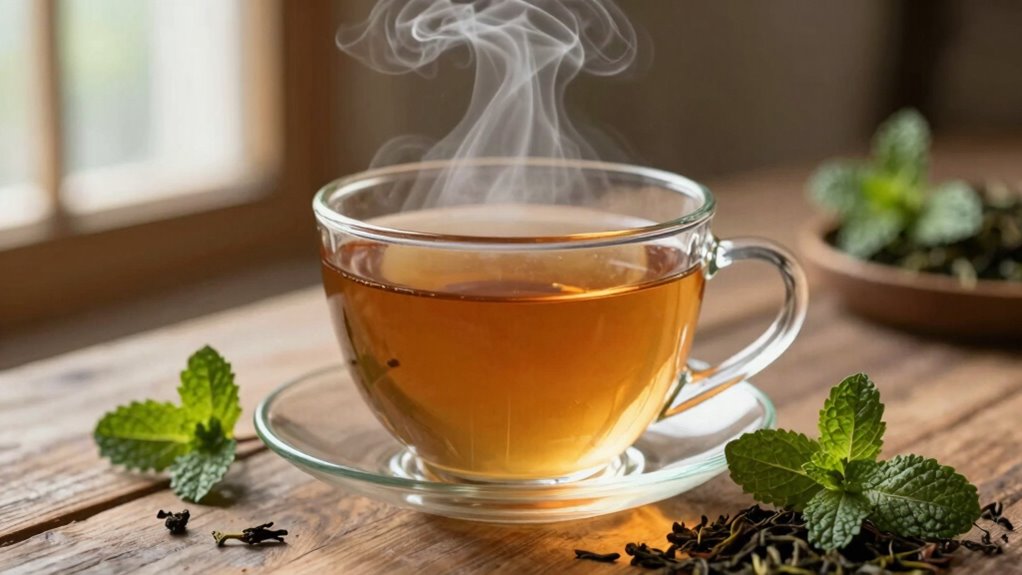

The health benefits of tea come from the way it’s grown and processed, which preserves powerful antioxidants and bioactive compounds. Whether it’s green, black, or oolong, each type has unique chemicals like catechins or theaflavins that support heart health, boost immunity, and improve mental alertness. The quality of the leaves, the climate, and how they’re processed all play a role in these benefits. Keep exploring to uncover the full story behind tea’s long-standing health traditions.
Key Takeaways
- The health benefits of tea depend on the type, cultivation, and processing methods, which influence its bioactive compounds.
- Green tea is rich in catechins, antioxidants linked to heart health and cancer prevention.
- Black and oolong teas contain theaflavins and polyphenols that support cardiovascular health.
- Proper harvesting and processing preserve beneficial compounds, maximizing tea’s health-promoting properties.
- Traditional and sustainable cultivation practices enhance tea quality and its long-term health benefits.
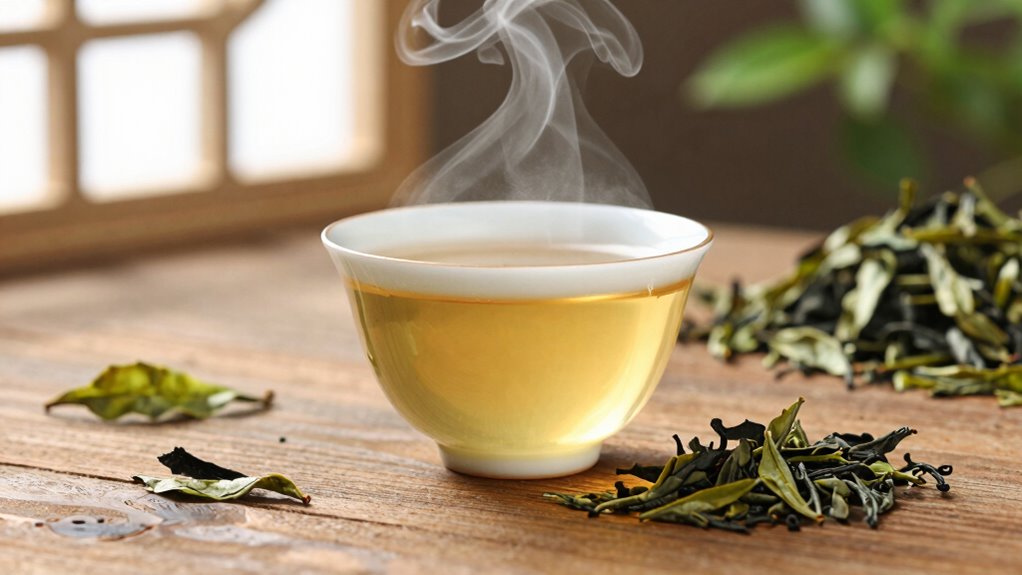
Have you ever wondered why tea has been cherished worldwide for centuries? Its rich history and cultural significance are matched by its impressive health benefits, which continue to captivate health-conscious individuals today. To truly understand the benefits, it helps to look at how tea is made—specifically, the processes involved in tea cultivation and tea processing techniques. These steps influence the composition of tea leaves, which in turn affects the health properties you experience when you drink a cup.
Tea cultivation begins with selecting the right plants, typically Camellia sinensis, the evergreen shrub that produces all traditional teas—green, black, white, oolong, and pu-erh. Growers carefully tend to these plants, often in specific climates that promote ideal leaf development. The timing of harvest plays a vital role; for example, young, tender leaves are usually picked for higher-quality teas. The way tea is cultivated directly impacts its biochemical makeup, including antioxidants, polyphenols, and other compounds responsible for its health benefits. Additionally, tea processing techniques significantly influence the preservation and transformation of these beneficial compounds. Understanding biodiversity and sustainable farming practices can also help ensure the long-term health of tea plantations and the ecosystems they depend on, fostering a more resilient and eco-friendly industry.
Once harvested, the tea leaves go through various tea processing techniques, which are key to revealing different flavor profiles and health properties. Green tea, for instance, undergoes minimal processing—primarily steaming or pan-firing to prevent oxidation—preserving its high levels of catechins, powerful antioxidants linked to improved heart health and cancer prevention. Black tea, by contrast, is fully oxidized, which transforms its flavor and creates theaflavins and thearubigins—compounds associated with improved cholesterol levels and cardiovascular health. Oolong tea falls somewhere in between, partially oxidized, offering a blend of benefits from both green and black teas.
These processing techniques don’t just influence flavor; they also determine the concentration of beneficial compounds. For example, fermentation and aging processes in pu-erh tea can lead to unique antioxidants that support digestion and weight management. The variation in processing methods means you can choose teas tailored to specific health goals, whether that’s boosting your immune system or enhancing mental alertness. Moreover, the cultivation methods used in tea production can affect the overall nutrient profile, making it essential to consider the source of your tea for maximum health benefits. The chemical composition of tea leaves can vary significantly based on these factors, further emphasizing the importance of quality sourcing.
In essence, the health benefits of tea aren’t just about the drink itself but stem from the intricate journey from plant to cup. The cultivation practices and processing methods shape the chemical makeup of each leaf, ensuring that every sip delivers a potent mix of antioxidants and bioactive compounds. So, when you enjoy your tea, you’re not just savoring a comforting beverage—you’re tapping into a centuries-old tradition of health, carefully crafted through expert cultivation and processing techniques.

Ocha & Co. Organic Sencha – Loose Leaf Japanese Green Tea – High Grade Sencha Green Tea – Mild, Rich & Refreshing Premium Tea, 100g/3.5oz.
- Type of Tea: Sencha Green Tea
- Flavor Profile: Mild, Earthy, Refreshing
- Origin: Shizuoka, Japan
As an affiliate, we earn on qualifying purchases.
As an affiliate, we earn on qualifying purchases.
Frequently Asked Questions
Does Tea Have Any Negative Side Effects?
Tea can have negative side effects if you’re sensitive to caffeine or have a tea allergy. Caffeine sensitivity might cause jitters, insomnia, or increased heart rate, especially with stronger brews. Some people could experience allergic reactions, like itching or swelling. If you’re prone to these issues, it’s best to limit your intake or choose caffeine-free options. Always pay attention to your body’s signals and consult a healthcare professional if you notice adverse effects.
Which Type of Tea Offers the Most Health Benefits?
Green tea offers the most health benefits, with studies showing it can boost metabolism and improve brain function. You’ll get the best results by choosing high-quality tea flavorings and mastering tea brewing techniques, like controlling water temperature and steeping time. Did you know that proper brewing can increase antioxidant levels by up to 30%? So, experiment with different green tea varieties and brewing methods to maximize your health benefits.
Can Tea Help With Weight Loss?
Yes, tea can help with weight loss. When you’re tea brewing, opt for green or oolong teas, which contain antioxidants and compounds that boost metabolism. Exploring different tea flavor profiles keeps your routine enjoyable and may curb cravings. Drinking these teas regularly, without added sugar, can support your weight loss efforts by increasing fat burning and promoting a feeling of fullness.
How Much Tea Should I Drink Daily?
You should drink about 3 to 4 cups of tea daily to enjoy health benefits without overdoing it. Keep an eye on tea fermentation levels—more fermented teas like black or pu-erh can be richer in antioxidants, but also have higher caffeine content. Balance your intake, because too much caffeine might turn your calm sip into a jittery frenzy. Remember, moderation makes the tea-drinker!
Is Herbal Tea as Beneficial as Green or Black Tea?
Herbal tea can be just as beneficial as green or black tea, depending on your health goals. These herbal blends often contain antioxidants and other compounds that support well-being. While they may have different flavor profiles, they can provide unique health benefits without caffeine. You should enjoy a variety of herbal blends to diversify your intake and maximize their health advantages, whether for relaxation, digestion, or immune support.
Conclusion
As you sip your tea, remember it’s more than just soothing warmth; it’s a potent health ally. While a cup can boost your mood and protect your body, neglecting a balanced lifestyle can overshadow these benefits. Think of tea as a gentle reminder that small, mindful choices—like savoring each sip—can make a big difference. In a world of haste, pause, enjoy, and let your tea be an invigorating step toward better health.