
Throughout history, you’ve seen tea used as a natural remedy to harness its antioxidant benefits. Cultures like Chinese, Japanese, and Indian have traditionally incorporated tea into daily routines to promote health, boost immunity, and fight inflammation. Ancient practices emphasize organic cultivation and early harvesting to maximize these effects. If you want to explore how different teas support your wellness and the methods used, you’ll find even more insights when you continue.
Listen free for 30 days with Audible
Thousands of audiobooks and originals — cancel anytime.
As an affiliate, we earn on qualifying purchases.
Key Takeaways
- Ancient civilizations like Chinese, Japanese, and Indian cultures used tea as a natural remedy to boost immunity and longevity.
- Traditional practices emphasized organic cultivation and minimal processing to maximize tea’s antioxidant benefits.
- Tea was commonly consumed as a daily health tonic to combat aging and promote overall wellness.
- Herbal infusions and specific tea types were used in folk medicine to treat inflammation and improve vitality.
- Rituals and ceremonies incorporated tea to enhance mental clarity and spiritual health through its antioxidant properties.
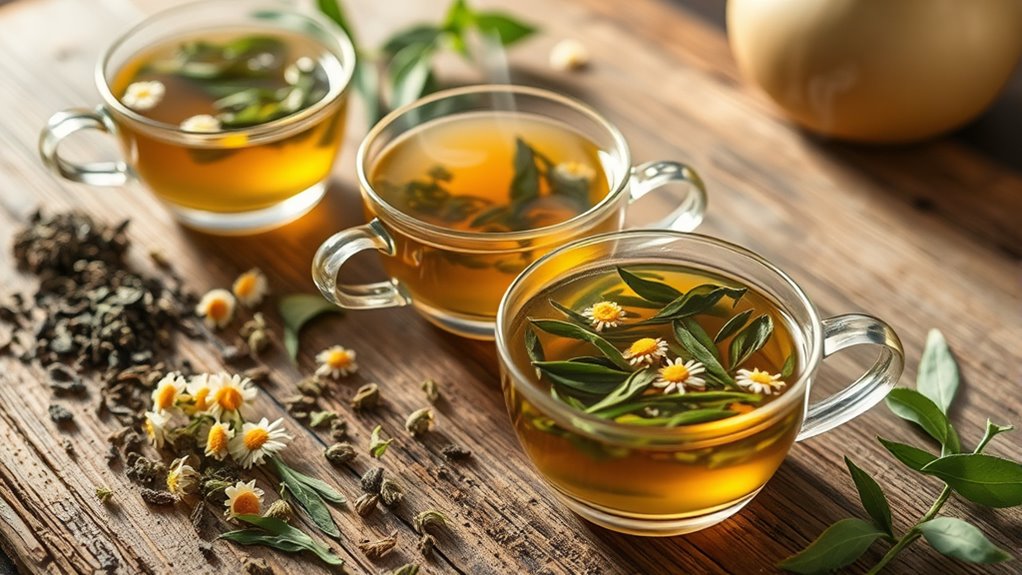
Throughout history, people have turned to tea not just for its comforting taste but also for its believed health benefits, especially its antioxidant properties. From ancient civilizations to modern times, tea has been valued not only as a beverage but also as a natural remedy. The process of tea cultivation plays a pivotal role in its antioxidant benefits. Different tea types—green, black, white, and oolong—are derived from the Camellia sinensis plant, but their processing methods affect their antioxidant content. Green tea, for example, is minimally processed, preserving a high level of catechins, powerful antioxidants that combat free radicals. Black tea undergoes oxidation, transforming catechins into theaflavins and thearubigins, which still retain antioxidant properties. White tea, harvested early, is the least processed and often contains the highest concentration of antioxidants. Oolong falls somewhere in between, offering a unique blend of benefits. As you explore tea cultivation, you’ll notice how factors like soil quality, climate, and harvest timing influence the antioxidant potency of the leaves. Traditional practices often emphasize organic cultivation, which helps maximize the health benefits of the final brew. Additionally, the processing methods used in tea production significantly impact the levels of antioxidants present in the final product.
When you brew tea, you’re accessing its antioxidant benefits with each cup. These natural compounds help neutralize harmful free radicals that can damage cells and contribute to aging or disease. Many cultures have historically used tea as a daily health tonic, believing that regular consumption could improve longevity and vitality. In Chinese medicine, for example, tea has been used for centuries to boost the immune system and promote overall wellness, largely due to its antioxidant content. Similarly, in Japan and India, tea drinking has been integrated into daily routines as a way to support health and prevent illness. Scientific studies support these traditional uses, showing that antioxidants in tea can reduce inflammation, improve cardiovascular health, and even support brain function.
You might notice that different types of tea offer varying antioxidant benefits, so choosing a variety can provide a broader range of health effects. Consuming freshly brewed tea guarantees you get the maximum antioxidant potency, as these compounds can diminish over time with exposure to air and light. Whether you prefer green, black, white, or oolong, understanding the connection between tea cultivation and its antioxidant benefits helps you appreciate the depth of this ancient beverage. Incorporating tea into your daily routine offers a simple yet effective way to harness its natural healing properties, making it a timeless choice for health-conscious individuals.

GLDNT Organic Green Tea Bags, Natural Organic Green Tea, Caffeinated, 100ct
- Flavor Profile: Smooth, mild, and refreshing
- Tea Selection: Hand-picked organic spring tea buds
- Packaging: Resealable foil-lined kraft pouch
As an affiliate, we earn on qualifying purchases.
As an affiliate, we earn on qualifying purchases.
Frequently Asked Questions
Which Tea Varieties Have the Highest Antioxidant Levels?
You’ll find green tea varieties, like matcha and sencha, have the highest antioxidant levels because they’re minimally processed, preserving their catechins. Herbal infusions such as rooibos and hibiscus also boast strong antioxidant properties, making them excellent choices. To maximize benefits, opt for fresh, high-quality teas and steep them properly. Incorporating these teas into your daily routine can help boost your antioxidant intake naturally.
Can Tea Antioxidants Prevent Specific Diseases?
Tea antioxidants, like tea polyphenols, can help prevent some diseases by reducing oxidative stress in your body. These compounds neutralize free radicals, lowering your risk of chronic conditions such as heart disease and certain cancers. Drinking tea regularly supports your health by strengthening your body’s defenses against oxidative damage. While they aren’t a cure, incorporating tea into your diet can be a proactive step toward disease prevention.
How Often Should I Drink Tea for Health Benefits?
Think of your tea habit as watering a garden; consistency nurtures your health. Drinking 2-3 cups daily is ideal for antioxidant benefits. Store your tea properly to preserve its potency, avoiding exposure to light and moisture. Use proper brewing techniques—water temperature and steeping time—to maximize antioxidants. Regularly enjoying tea, properly stored and brewed, helps your health flourish like a well-tended garden.
Are There Any Side Effects of Consuming High Antioxidant Tea?
Consuming high-antioxidant tea can cause side effects if you’re sensitive. You might experience caffeine jitters or sleep issues if you’re caffeine sensitive. In rare cases, some people develop a tea allergy, which can lead to itching or swelling. To avoid these effects, start with small amounts and monitor how your body reacts. If you notice adverse symptoms, consider switching to lower-caffeine options or consulting a healthcare professional.
How Does Tea Processing Affect Its Antioxidant Properties?
Imagine revealing a treasure chest—your tea’s antioxidant power depends on its journey. Tea oxidation and processing methods act like skilled artisans sculpting flavor and nutrients. Less oxidation, like green tea, preserves more antioxidants, while black tea’s extensive oxidation transforms its properties, reducing some antioxidant levels. So, your choice of processing methods directly influences the protective shield that antioxidants provide, shaping how potent and beneficial your tea truly becomes.
Conclusion
So, sip, savor, and stay savvy by embracing tea’s timeless, traditional, and therapeutic perks. Its antioxidant allure amplifies your health, helping you harness harmony and happiness. Whether you’re seeking serenity or strength, tea’s therapeutic touch transcends time, turning every cup into a comforting, calming, and cleansing cure. Remember, with every sip, you’re not just nurturing your body but nourishing your soul—so, seize the soothing, supercharged, and sensational benefits of this ancient elixir.
Flea & tick season Picks
flea and tick prevention
As an affiliate, we earn on qualifying purchases.