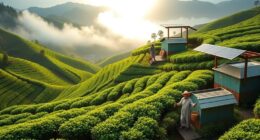
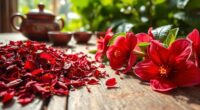
Regional varieties of herbal tea are deeply influenced by terroir, which includes soil type, climate, and environment. These factors shape the flavor profiles you experience, with volcanic soils giving earthy tones, cooler climates boosting aromatic oils, and higher altitudes creating more intense flavors. Processing methods also help preserve these regional nuances. If you explore further, you’ll discover how each region’s unique terroir creates distinct herbal teas with memorable character.
Key Takeaways
- Terroir influences herbal tea flavor through soil, climate, and environment, creating regional taste distinctions.
- Soil type and mineral content significantly impact the herbal profile and regional uniqueness.
- Climate factors like temperature and sunlight shape the herb’s aromatic oils and flavor intensity.
- Altitude and local flora contribute to the complexity and depth of regional herbal tea varieties.
- Processing methods help preserve and highlight the unique flavors derived from each region’s terroir.

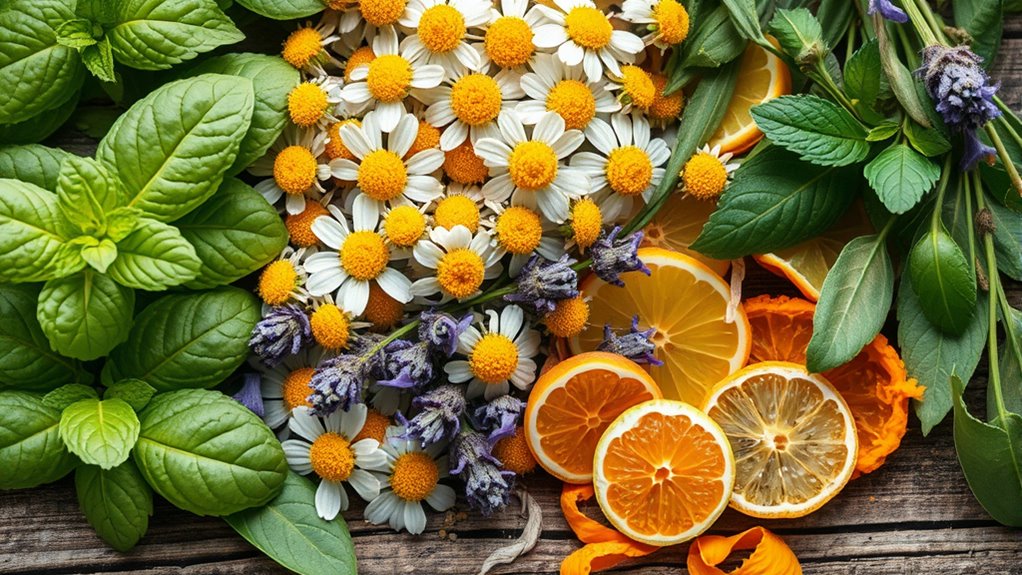
Herbal tea varieties are deeply influenced by terroir—the unique combination of soil, climate, and local environment where the herbs are grown. This connection means that the same herb, like chamomile or mint, can taste different depending on where it’s cultivated. When you explore herbal teas from different regions, you start to notice subtle variances in flavor profiles that are directly tied to the terroir. These differences are often shaped during plant processing, where harvest timing, drying methods, and storage conditions preserve or alter the herbs’ natural qualities. The plant processing stage is critical because it locks in the flavors shaped by the environment, ensuring that the tea captures the essence of its origin.
The soil composition plays a crucial role in developing distinct flavor profiles. For instance, herbs grown in mineral-rich volcanic soils tend to develop a more robust, earthy quality. In contrast, herbs cultivated in sandy, well-drained soils often produce lighter, more delicate notes. Climate factors like temperature, humidity, and sunlight also influence the plant’s chemical makeup, impacting the eventual taste. A herb grown in a cooler climate might develop more aromatic oils, resulting in a more vibrant flavor, while warmer regions might produce a milder, smoother taste. These environmental nuances are embedded in the herbs during growth and are preserved through careful plant processing, which aims to highlight the herbs’ natural qualities rather than mask them.
Local environmental factors extend beyond soil and climate—they include altitude, proximity to bodies of water, and even local flora that can influence growth. Herbs grown at higher altitudes often contain higher concentrations of essential oils, contributing to more intense and complex flavor profiles. Additionally, the terroir can influence the herb’s resilience and growth rate, further affecting flavor development. When you compare herbal teas from different regions, you can often distinguish these subtle differences, which are the result of the unique terroir. Understanding this connection helps you appreciate why herbal teas from one region might taste so different from those produced elsewhere, even if they are the same type of herb.
Ultimately, the terroir shapes not just the flavor profiles but also the characteristics of the herbs you enjoy. The plant processing techniques used to harvest and prepare these herbs are designed to preserve these regional nuances. By paying attention to the origin and processing methods, you can better appreciate the depth and complexity of each herbal tea, making your tasting experience more meaningful. It’s this interplay of environment and craftsmanship that creates the rich diversity of herbal teas around the world, inviting you to explore the unique stories behind each cup.

Tea Facto Herbal Tea Sampler Set Depuff Collection with Bitter Melon, Mulberry Leaf, Ginger, Pear & Green Grapes Jasmine – Fancy Tea Sampler Gift Set Box – Natural Fiber, Zero Added Sugar – 40 Count
ANCIENT CHINESE WISDOM FOR HERBAL NOURISHMENT: Tea Facto Depuff Collection herbal tea bags variety pack contains 4 thoughtfully…
As an affiliate, we earn on qualifying purchases.
As an affiliate, we earn on qualifying purchases.
Frequently Asked Questions
How Does Altitude Affect Herbal Tea Flavor Profiles?
Altitude influence profoundly impacts herbal tea flavor profiles, causing notable flavor variation. When you grow herbs at higher elevations, the cooler temperatures slow growth, leading to more concentrated flavors. This results in herbal teas with brighter, more complex, and nuanced tastes. Conversely, lower altitudes often produce milder flavors. So, as you explore different herbal teas, consider the altitude where they’re cultivated, as it directly shapes their distinctive flavor profiles.
Are There Specific Soil Minerals Linked to Herbal Tea Quality?
Think of soil mineralization as nature’s secret recipe, directly influencing herbal tea quality. Specific minerals like magnesium, potassium, and calcium act as terroir indicators, shaping flavor and aroma. When you select herbal teas grown in mineral-rich soils, you’re experiencing the subtle yet powerful influence of terroir. These minerals enhance plant health, boosting essential oils and active compounds, ultimately elevating your tea-drinking experience to a new level of authenticity and richness.
What Traditional Harvesting Methods Influence Herbal Tea Terroir?
You should focus on traditional harvesting techniques like hand-picking and selective plucking, which guarantee only the best leaves and herbs are chosen, preserving the plant’s unique qualities. These traditional practices often involve specific timings, such as morning harvests, to capture ideal flavor and aroma. By adhering to these methods, you influence the herbal tea’s terroir, highlighting regional characteristics and maintaining the integrity of its distinct regional origins.
How Do Local Climate Changes Impact Herbal Tea Cultivation?
You’ll notice that climate changes, like increasing weather variability, greatly impact herbal tea cultivation. To adapt, you need to implement climate adaptation strategies such as selecting resilient plant varieties and adjusting harvest times. These changes help maintain quality and yield despite unpredictable weather patterns. By staying flexible and proactive, you guarantee your herbal tea crops thrive, preserving their unique flavors and characteristics rooted in the local climate.
Can Terroir Differences Be Detected Through Chemical Analysis?
Think of terroir differences as a unique musical symphony; chemical analysis, like chemical fingerprinting, can detect these subtle notes. You can definitely identify terroir markers through this analysis, revealing flavors shaped by soil, climate, and altitude. By examining these chemical signatures, you uncover the distinct essence of each herbal tea’s origin, allowing you to appreciate how nature’s environment leaves its indelible mark on every sip.

Ammad Tea Herbal Tea, Herbalist Variety Gift Box, 60 Foil Teabags – Decaffeinated & Sugar-Free
DELICIOUS & SATISFYING FLAVOR – Your favorite fruit-flavored & herbal teas all in one. We combined six of…
As an affiliate, we earn on qualifying purchases.
As an affiliate, we earn on qualifying purchases.
Conclusion
Think of herbal tea as a symphony, where each region’s terroir plays a unique melody. Your taste buds can travel around the world without leaving your cup, experiencing the rich diversity of flavors shaped by soil, climate, and tradition. Embrace these regional varieties, and you’ll discover that every sip tells a story—like a garden whispering its secrets. So, explore and savor these herbal melodies; they’re nature’s own masterpiece, waiting for you to enjoy.

Creano Organic Herbal Tea Sampler Gift Set – Tea Gift Box – 27 Organic Tea Bags in 9 Different Varieties 54 g
Creano Organic Herbal Fruit Spice Tea Sampler "Organic Herbal Tea" is a unique blend of the different organic…
As an affiliate, we earn on qualifying purchases.
As an affiliate, we earn on qualifying purchases.
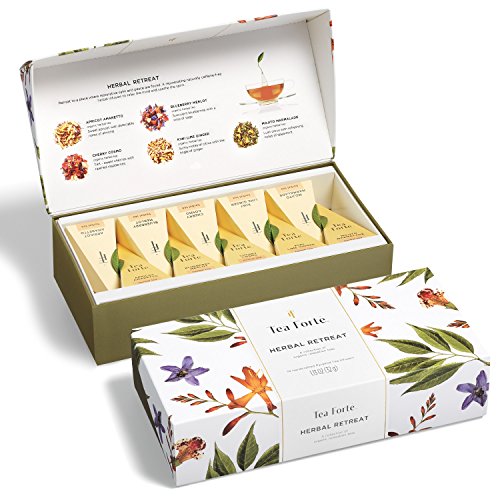
Tea Forte Premium Petite Presentation Box Gift Set Sampler, 10 Count, 2 of Each Blend Individually Wrapped Handcrafted Pyramid Infuser Bags, Gifts for Mom, Herbal Retreat Tea
NATURALLY NON CAFFEINATED TEA with diverse, subtle flavors from only the finest organic whole tea leaves in the…
As an affiliate, we earn on qualifying purchases.
As an affiliate, we earn on qualifying purchases.