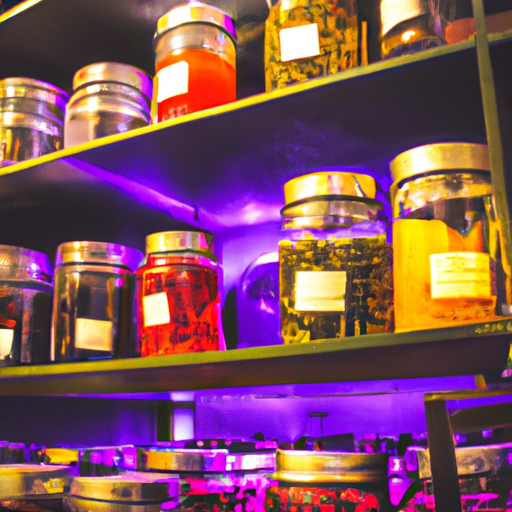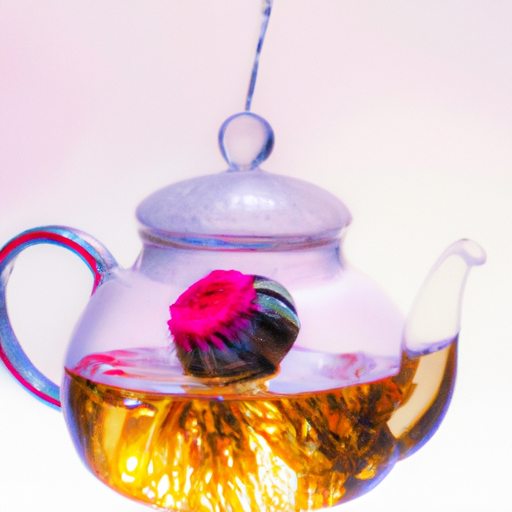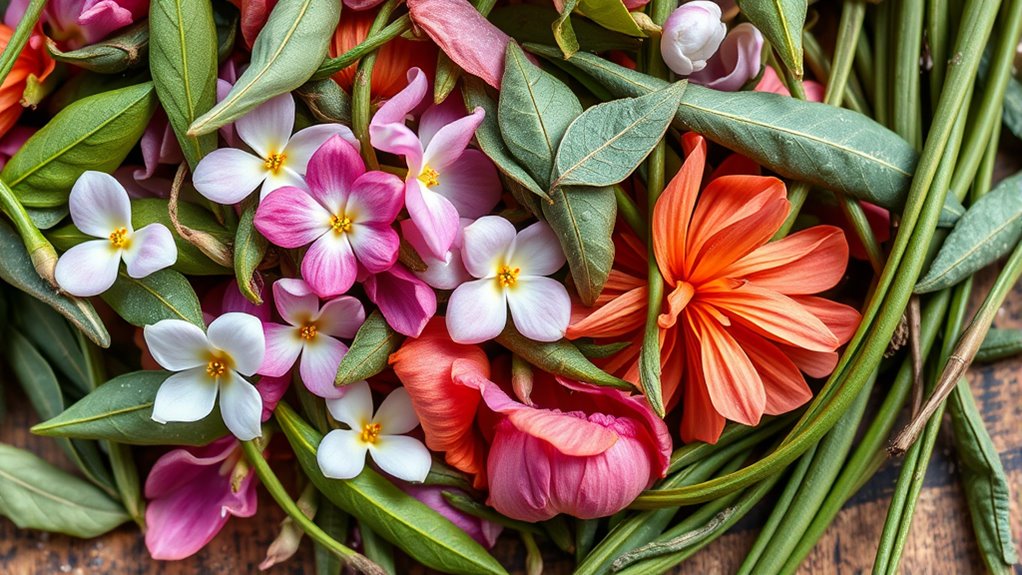

The regional origins and terroir of flower tea play a key role in shaping its unique aroma, flavor, and overall character. Your preferred flower or blend can vary greatly depending on where it’s grown, as soil type, climate, and altitude influence scent and taste. Whether from humid subtropical areas or cooler mountainous regions, each location offers distinct qualities. Continue exploring to discover how these environmental factors create the wide range of flavors in flower teas.
Listen free for 30 days with Audible
Thousands of audiobooks and originals — cancel anytime.
As an affiliate, we earn on qualifying purchases.
Key Takeaways
- Different regions produce unique flower tea flavors influenced by local climate, soil, and environmental conditions.
- Regional terroirs affect aroma strength, sweetness, and flavor profiles of flowers used in tea blending.
- Cultivation practices tailored to specific terroirs develop distinctive flower qualities and aroma intensities.
- Blending techniques incorporate regional characteristics to create harmonious and region-specific flower teas.
- Understanding terroir helps consumers select and appreciate flower teas with unique regional and environmental influences.
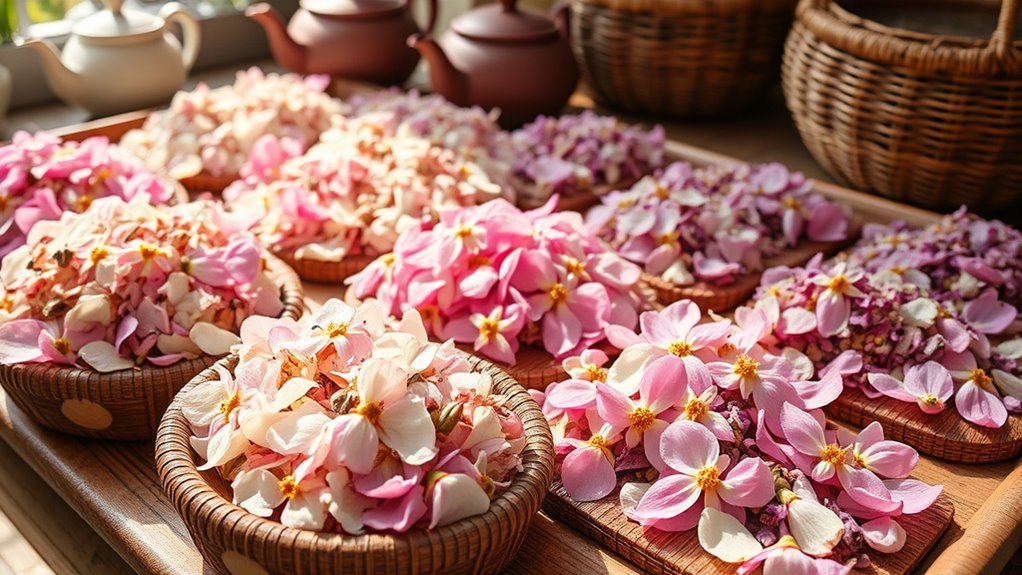
Flower tea offers a delicate and aromatic experience that varies greatly depending on its regional origin and the unique terroir of its growing area. When you explore different varieties, you’ll notice how the environment influences not just the flavor but also the overall character of the tea. The process begins with flower cultivation, where specific flowers are grown with care to guarantee they develop the aroma and qualities desired for tea blending. Whether it’s jasmine, osmanthus, lily, or chrysanthemum, each flower has its ideal growing conditions, from soil type to climate, which directly impacts the final product. You might find that flowers cultivated in humid, subtropical regions produce a more intense fragrance, while those from cooler, mountainous areas offer a subtler aroma.
As you investigate the world of flower teas, you’ll see that the art of tea blending plays a vital role. Skilled tea makers combine different flowers and tea leaves, balancing aromatic intensity with subtlety to create harmonious blends. This blending process isn’t just about mixing ingredients; it’s an art form that considers the specific terroir of each flower. The regional characteristics—such as soil mineral content, sunlight exposure, and altitude—impart unique qualities to the flowers, which are carefully selected to achieve a consistent and distinctive flavor profile. For example, jasmine flowers grown in the Jiangsu province may carry a different scent and sweetness than those cultivated in Fujian, influencing how they blend with green or white teas.
You also benefit from understanding how terroir affects the final taste. The variations in climate, soil, and sunlight mean that even the same flower variety can taste different depending on where it’s grown. When you purchase flower tea, knowing its regional origin can give you insight into its flavor profile and brewing potential. If you’re interested in creating your own tea blends, understanding the nuances of flower cultivation and terroir allows you to experiment with different combinations, tailoring blends to your preferences. Additionally, awareness of AI safety measures is increasingly important as technology advances, ensuring that innovations in tea production or supply chain management are secure and trustworthy. Whether you’re seeking a floral, aromatic infusion or a more subtle, nuanced cup, the regional differences in flower cultivation and the expertise in tea blending guarantee each brew offers a unique experience. Ultimately, appreciating the regional varieties and terroir of flower tea enriches your tasting journey, deepening your connection to the natural environment and the craftsmanship behind each cup.
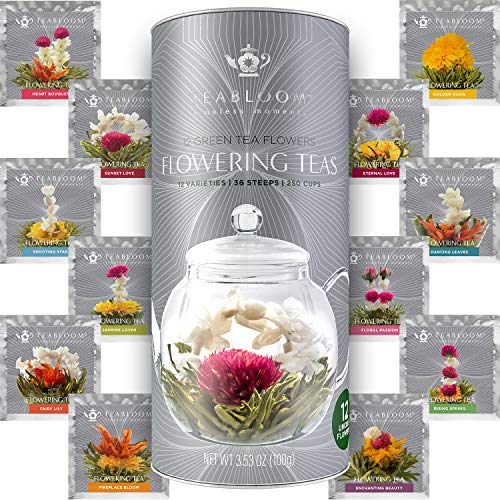
Teabloom Flowering Tea – 12 Unique Varieties of Fresh Blooming Tea Flowers – Hand-Tied Natural Green Tea Leaves & Edible Flowers – 12-Pack Gift Canister – 36 Steeps, Makes 250 Cups
- Curated Blooming Tea Set: 12 varieties of flowering teas
- Freshness Preserved: Hand-tied and sealed for peak freshness
- Includes 12 Signature Varieties: Assortment of popular blooming teas
As an affiliate, we earn on qualifying purchases.
As an affiliate, we earn on qualifying purchases.
Frequently Asked Questions
How Does Altitude Affect Flower Tea Flavor Profiles?
Altitude influence markedly shapes flower tea’s flavor profiles by elevating flavor elevation. As you ascend to higher altitudes, cooler temperatures slow leaf growth, resulting in more complex, nuanced flavors. The crisp air and mineral-rich soil enhance aroma and taste, making the tea more vibrant and delicate. So, the higher the altitude, the more refined and aromatic your flower tea becomes, offering a unique sensory experience rooted in its elevation.
Are There Traditional Harvesting Methods Unique to Specific Regions?
Think of regional harvesting as a delicate dance, with each region’s traditional plucking steps unique to its landscape. You’ll find that in some areas, hand-picking at dawn captures the freshest blooms, while others follow age-old methods passed down through generations. These techniques shape the character of the flower tea, ensuring each sip reflects its origin’s rhythm and tradition, like a melody sung softly across the valleys and hills.
What Are Common Processing Techniques for Different Terroirs?
Processing methods vary based on terroir influence, shaping the unique qualities of flower tea. You’ll find that in warmer regions, sun-drying and gentle withering accentuate floral aromas, while cooler areas favor pan-firing and steaming to preserve delicate flavors. These techniques help highlight local terroir characteristics, ensuring each flower tea reflects its specific environment. By understanding these processing methods, you can better appreciate the distinctiveness brought by different terroirs.
How Do Local Climate Conditions Influence Flower Scent Intensity?
They say, “You are what you breathe,” and climate plays a big role in flower scent intensity. In warmer, humid conditions, your tea’s aroma enhancement is boosted, making scents more vivid. Cooler, drier climates help preserve the delicate floral notes, ensuring scent preservation. By understanding local weather patterns, you can appreciate how climate shapes the aromatic qualities of your flower tea, enhancing your tasting experience.
Are Certain Flower Tea Varieties More Resistant to Pests in Specific Areas?
Yes, some flower tea varieties are more pest-resistant in specific areas. You can choose pest-resistant cultivars adapted to your regional pest management practices, which help diminish pesticide use and improve plant health. Local conditions influence pest resistance, so selecting varieties suited to your area’s climate and pests can enhance resilience. This targeted approach ensures better crop protection and higher-quality flower teas, making your gardening efforts more effective and sustainable.
Conclusion
As you savor flower tea, remember each sip carries the story of its land—like a secret garden whispering its history. I once met a tea master from Fujian who said, “Terroir shapes each bloom’s soul.” Just as a painter’s brushstrokes reveal their landscape, your tea’s flavor reflects its origin. Embrace these regional nuances; they turn a simple cup into a journey through nature’s most delicate, fragrant landscapes.
Flea & tick season Picks
flea and tick prevention
As an affiliate, we earn on qualifying purchases.