
Yerba mate is more than a popular drink; it’s a rich cultural tradition that brings people together through shared rituals. Traditionally, it’s prepared in handcrafted gourds, symbolizing friendship and community, while modern versions offer convenience through tea bags and canned options. Growing awareness of sustainability influences how it’s harvested and packaged. If you want to discover the deeper story behind this vibrant beverage, there’s much more to explore about its history, significance, and ongoing evolution.

Get coffee and tea gear delivered free with Prime
- Fast, free delivery on millions of items
- Prime Video, Amazon Music and more included
- Member-only deals all year
Key Takeaways
- Yerba mate has deep cultural roots in South American traditions, symbolizing friendship and community bonding through its preparation rituals.
- Traditionally, it’s prepared using a handcrafted gourd and bombilla, emphasizing social connection and respect for heritage.
- Modern consumption includes convenient formats like tea bags and ready-to-drink cans, blending tradition with contemporary lifestyles.
- Sustainable harvesting and eco-friendly packaging are increasingly prioritized to protect the environment and preserve yerba mate’s future.
- The beverage’s cultural significance persists, evolving from a social ritual to a global symbol of vitality and health-conscious living.

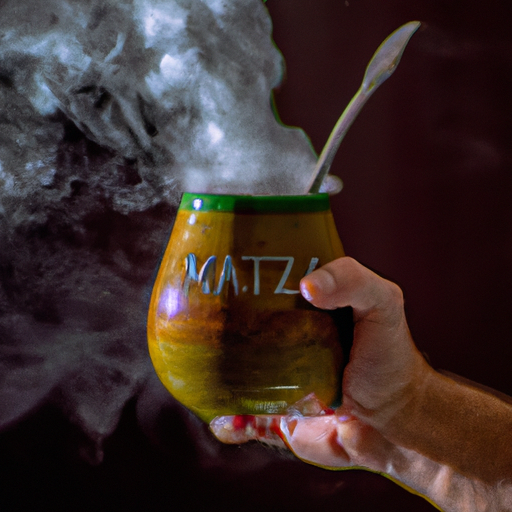
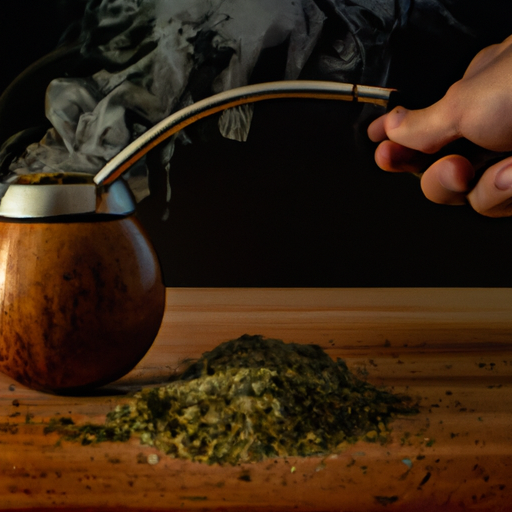
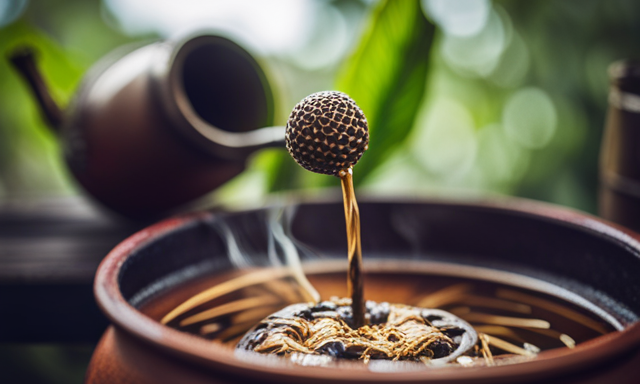
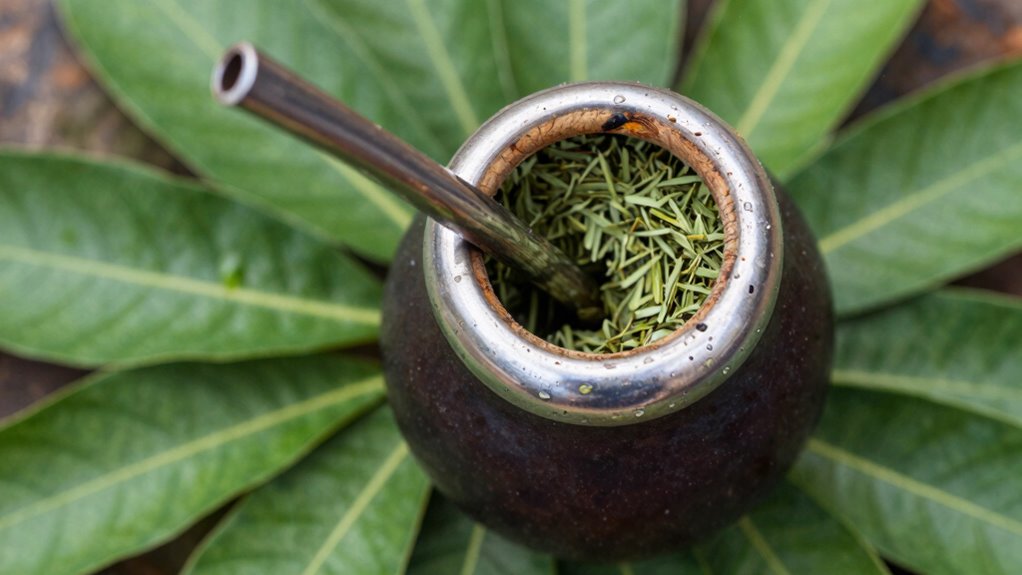
Have you ever wondered what makes yerba mate more than just a popular South American beverage? It’s a drink with a rich history, steeped in tradition, yet evolving with modern tastes and lifestyles. The traditional preparation of yerba mate is a ritual that goes beyond simply brewing tea. You start with a gourd, often handcrafted, and fill it about halfway with dried yerba mate leaves. Then, you tilt the gourd to one side, creating a slope, and insert a metal straw called a bombilla into the low side, filtering out loose leaves as you sip. Hot water — not boiling — is poured carefully over the leaves, allowing the infusion to steep slowly. This method keeps the flavor balanced and the leaves intact, preserving the cultural significance and ceremonial aspect of the drink. Traditionally, sharing yerba mate involves passing the gourd around a group, each person taking turns to sip, symbolizing friendship and community. This social ritual is central to its cultural identity and highlights the importance of connection in South American societies.
Today, modern consumption of yerba mate often departs from this traditional setup, but the core essence remains. You can find yerba mate in tea bags, ready-to-drink cans, or even as flavored blends that appeal to diverse palates. Many prefer quick, convenient options that fit into busy schedules, like bottled yerba mate drinks or instant infusion powders. Despite these changes, the popularity of yerba mate endures because of its energizing properties and unique flavor. Companies now market it not just as a cultural relic but as a health-conscious beverage packed with antioxidants, vitamins, and caffeine. The social aspect still persists, though often in different contexts—think of sharing a bottled drink with friends during a break or sipping from a reusable bottle during a workout. Additionally, its sustainable harvesting and eco-friendly packaging are becoming increasingly important as consumers become more conscious of environmental impacts related to biodiversity and conservation. A growing awareness of sustainable harvesting practices has influenced how producers source and process yerba mate, ensuring both environmental and cultural sustainability. As awareness of sustainable harvesting methods grows, more producers are adopting environmentally friendly practices, helping to preserve the plant’s natural habitats and ensure its availability for future generations. This shift towards sustainability reflects a growing awareness of the environmental impact associated with traditional harvesting methods.
Many enthusiasts even recreate the traditional preparation at home for special occasions, blending old customs with contemporary lifestyle. Moreover, the cultural significance of yerba mate continues to thrive, inspiring a sense of identity and pride among its followers. Whether you’re preparing it traditionally or enjoying a modern, ready-to-drink version, yerba mate remains a symbol of cultural identity and vitality. Its evolution reflects a blend of history and innovation, making it more than just a beverage — it’s a way to connect with a rich heritage while embracing modern convenience.
handcrafted yerba mate gourd with bombilla
As an affiliate, we earn on qualifying purchases.
As an affiliate, we earn on qualifying purchases.
Frequently Asked Questions
What Are the Health Benefits of Yerba Mate?
You’ll find yerba mate offers health benefits like increased energy, improved focus, and antioxidants that boost your immune system. Its cultural significance in South America fosters community and tradition. However, consider the environmental impact of harvesting, as overharvesting can harm ecosystems. Choosing sustainably sourced yerba mate helps you enjoy its benefits while supporting environmental preservation and respecting cultural practices.
How Is Yerba Mate Traditionally Prepared?
You prepare yerba mate through traditional brewing by filling a gourd with dried yerba mate leaves, then adding hot but not boiling water. You often use a metal straw called a bombilla to sip the infusion. This method holds deep cultural significance in South America, symbolizing friendship and community. The ritual of sharing yerba mate fosters bonds, making it more than just a beverage—it’s a cherished social custom.
Are There Any Side Effects From Drinking Yerba Mate?
Drinking yerba mate can cause side effects like caffeine dependency, leading to sleep issues or jitters if you consume too much. It may also affect your oral health, as frequent drinking can stain teeth or cause gum irritation. To enjoy yerba mate safely, limit your intake and maintain good oral hygiene. Be mindful of these potential effects to avoid health problems while enjoying this traditional beverage.
What Is the History of Yerba Mate in Indigenous Cultures?
You discover that yerba mate has deep roots in indigenous cultures, where it’s more than just a drink. Indigenous rituals highlight its cultural significance, serving as a symbol of hospitality and social bonding. Historically, tribes like the Guarani used yerba mate in ceremonies to honor nature and community. Its tradition spans centuries, making it a essential part of cultural identity and spiritual practices in South American indigenous societies.
How Does Yerba Mate Compare to Coffee or Tea?
You’ll find yerba mate has a unique flavor profile—earthy, grassy, with a slight bitterness—that sets it apart from coffee and tea. Unlike coffee’s bold, roasted taste or tea’s delicate notes, yerba mate’s cultural rituals involve sharing with friends, creating a communal experience. It’s more than a drink; it’s a tradition that connects you to indigenous roots, offering a stimulating yet social way to energize your day.
Conclusion
As you sip yerba mate, remember it’s more than just a drink — it’s a tradition that’s woven into the fabric of South American culture. Like sharing a mate circle, its story reminds us of the power of community and connection. Just as a single leaf can spark a thousand conversations, this beverage has the ability to bring people together across generations. Embrace its history, and let each sip deepen your appreciation for its rich legacy.
Columbus Day / Indigenous Peoples' Day Picks
long weekend sales
As an affiliate, we earn on qualifying purchases.