TL;DR

Get coffee and tea gear delivered free with Prime
- Fast, free delivery on millions of items
- Prime Video, Amazon Music and more included
- Member-only deals all year
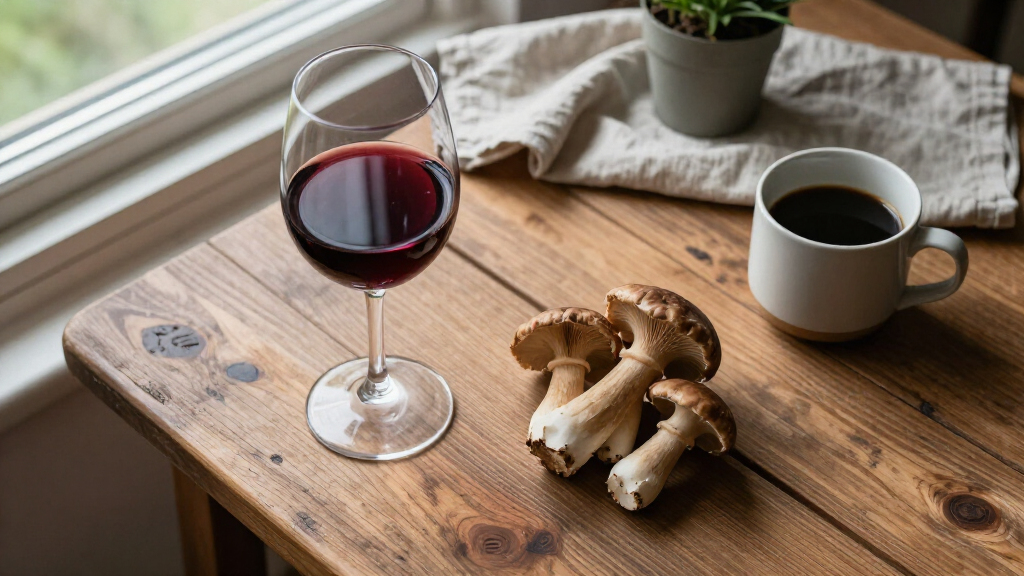
Interest in a phenomenon called ‘Wine Noise’ has surged, with recent reports pointing to a potential link with British fungi. The exact connection is unconfirmed, but the trend is gaining attention among scientists and consumers alike.
Search interest in a phenomenon dubbed ‘Wine Noise’ and its possible connection to British fungi has surged sharply in recent weeks, though no confirmed scientific link exists yet. Experts warn that while the trend is gaining attention, the underlying cause remains unverified, making this an evolving story with potential implications for wine production and fungal research.
The trend was first noticed through a spike in online searches related to ‘Wine Noise’ and British fungi, with reports indicating that consumers and researchers are increasingly curious about a possible connection. Although no peer-reviewed studies or official investigations have confirmed a direct link, some microbiologists and enologists suggest that certain fungi native to Britain may influence wine fermentation or produce audible phenomena during wine aging processes.
Sources indicate that the phenomenon involves unusual sounds or ‘noise’ associated with wine bottles or barrels, which some have speculated could be caused by fungal activity. However, experts emphasize that these claims are preliminary and based on anecdotal reports rather than scientific evidence. The trend appears to be driven largely by social media discussions and niche interest groups, with no formal research yet published.
Authorities and scientific organizations are monitoring the situation but have not issued any official statements or warnings. The unconfirmed nature of the connection means that consumers are advised to remain cautious and not alter their wine consumption habits based on current online chatter.
Potential Impact on Wine Industry and Fungal Research
If a confirmed link between British fungi and the ‘Wine Noise’ phenomenon is established, it could have significant implications for the wine industry, particularly in regions with high fungal biodiversity. It might influence fermentation practices, storage conditions, or even lead to new methods of natural wine production. Additionally, this could open new avenues of research into the role of native fungi in food and beverage processes, potentially impacting microbiology and food safety standards.
For consumers, understanding this phenomenon could affect perceptions of wine quality and authenticity. However, given the current lack of verified evidence, it remains a subject of scientific curiosity rather than a proven concern.
As an affiliate, we earn on qualifying purchases.
Rise in Interest and Unverified Claims Surrounding ‘Wine Noise’
The phenomenon known as ‘Wine Noise’ first garnered attention through social media and online forums, where users reported hearing unusual sounds from wine bottles or barrels. This coincided with a broader increase in searches related to British fungi, suggesting a possible, though unconfirmed, connection. Historically, fungi have played roles in fermentation and spoilage, but the specific mention of British fungi in relation to audible phenomena is new and largely anecdotal.
The current trend appears to be driven by curiosity and speculation rather than scientific consensus. No peer-reviewed research has yet been published to substantiate claims linking British fungi to the ‘Wine Noise’ phenomenon. Experts note that similar trends have emerged in the past around food and beverage microbiology, often driven by social media hype before scientific validation occurs.
While some microbiologists suggest fungi could influence wine aging or produce sound during fermentation, these hypotheses are still untested. The trigger for the current spike in interest remains unconfirmed, and investigations into the phenomenon are still in early stages.
Unconfirmed Link Between British Fungi and Wine Noise
It is not yet clear whether British fungi are actually causing the ‘Wine Noise’ phenomenon or if the observed interest is purely anecdotal. No scientific studies have confirmed a causal relationship, and investigations are still in early stages. The trigger for the spike in searches and discussions remains unverified, and experts caution against jumping to conclusions.
Ongoing Investigations and Scientific Validation Efforts
Researchers and microbiologists are beginning to examine samples of British fungi and wine environments to test for potential interactions. Scientific publications and official statements are expected as studies progress. Meanwhile, industry bodies and regulatory agencies are monitoring the situation but have not issued any guidance or warnings.
Further research is needed to determine whether the phenomenon has a biological basis or is primarily driven by social media hype. Expect updates from microbiological research groups over the coming months as data emerges.
Key Questions
What is ‘Wine Noise’?
‘Wine Noise’ refers to unusual sounds or audible phenomena reported in connection with wine bottles or barrels, sparking curiosity about potential causes, including microbial activity.
Are British fungi proven to cause ‘Wine Noise’?
No, there is currently no scientific evidence confirming a direct link. The connection remains speculative and under investigation.
Why has interest in this phenomenon increased?
The spike in online searches and social media discussions has driven curiosity, possibly fueled by anecdotal reports and the novelty of the idea, but no verified scientific data supports it yet.
Could this affect wine production or safety?
At this stage, there is no evidence that the phenomenon impacts wine quality or safety. Further research is needed before any industry-specific conclusions can be drawn.
When will we know more about this?
Scientific investigations are just beginning, and results are expected over the next few months. Official updates from researchers and industry bodies are anticipated.
Source: rss
Halloween Picks
halloween
As an affiliate, we earn on qualifying purchases.