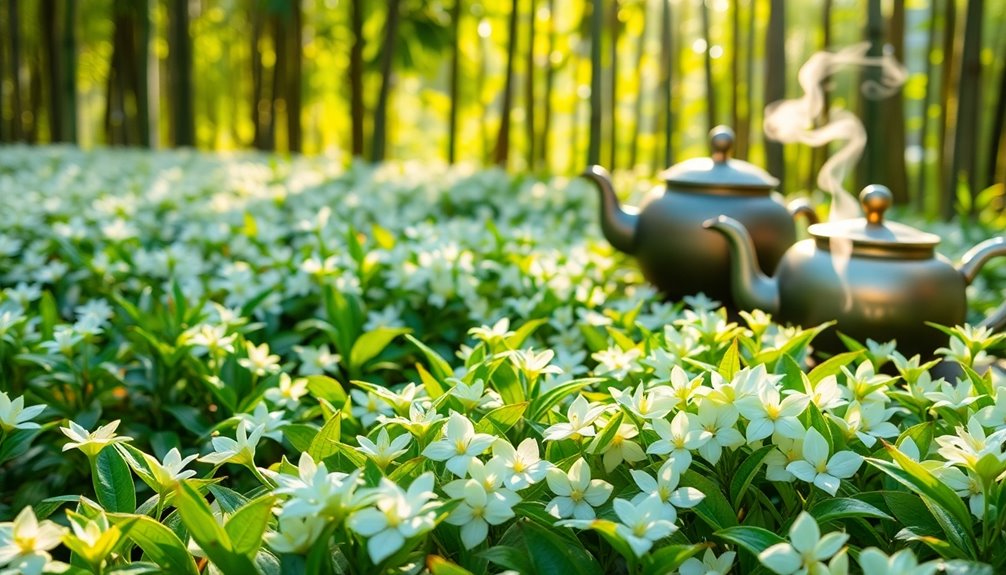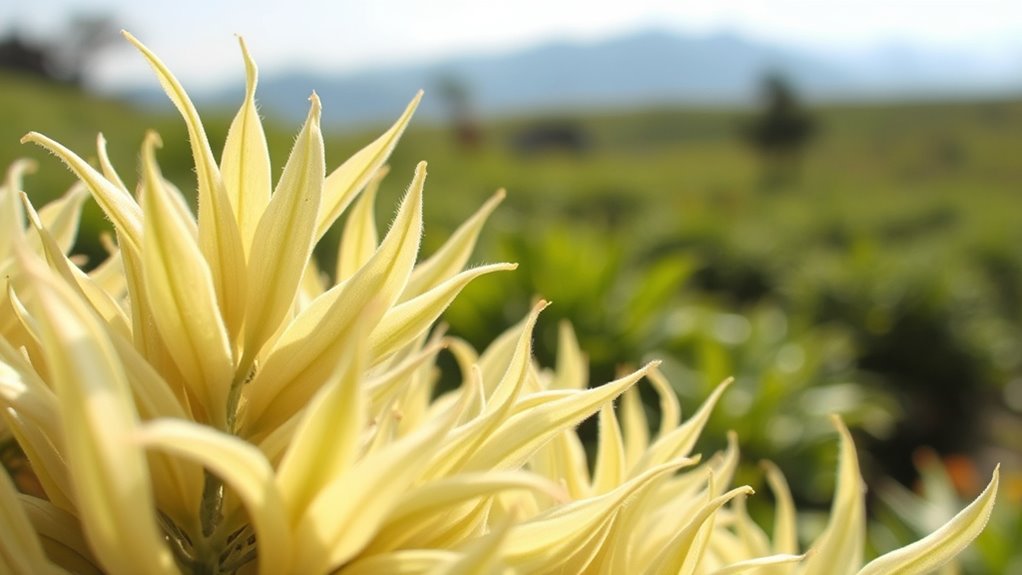

Different regions produce unique white teas influenced by their specific terroir. Factors like climate, soil type, altitude, and cultivar diversity shape each tea’s flavor and aroma. For example, high-altitude areas often yield teas with refined, nuanced notes, while mineral-rich soils add complexity. These natural elements work together, creating distinct sensory profiles that reflect their origin. To discover more about how terroir influences white tea varieties, keep exploring the fascinating connection between environment and flavor.

Get coffee and tea gear delivered free — and shop member deals
- Fast, free delivery on millions of items
- Access to Prime Big Deal Days deals on October 6–7
- Prime Video, Amazon Music and more included
Key Takeaways
- Regional white teas feature unique aromatic profiles shaped by local climate, soil, and altitude conditions.
- Different cultivars respond uniquely to terroir, influencing flavor, aroma, and texture of white teas.
- Soil mineral content affects taste complexity and mouthfeel, varying across white tea-growing regions.
- High-altitude and cooler climates produce more refined, nuanced white teas with distinctive character.
- Exploring regional terroirs reveals a diverse “taste tapestry,” reflecting each area’s natural environment and cultivation practices.
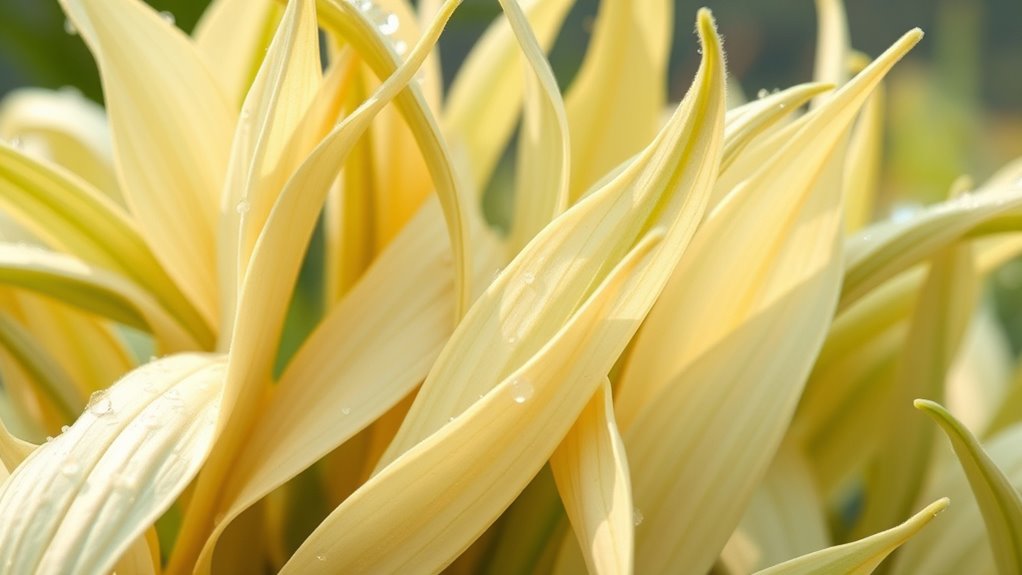
White tea’s delicate flavors and subtle aromas are deeply influenced by the specific terroir where it’s grown. When you explore different regional white teas, you’ll notice how the unique combination of cultivar diversity and soil mineral content shapes each variety’s character. Cultivar diversity refers to the different tea plant varieties cultivated across regions, each with its own genetic traits that respond uniquely to the environment. Some cultivars naturally produce lighter, more floral notes, while others might develop richer, honeyed undertones. The choice of cultivar is often a reflection of the local climate and tradition, and it’s a key factor in defining the distinctive profile of white tea from a particular area.
White tea’s flavor varies with regional cultivars and soil mineral content, creating unique aromatic profiles.
The soil mineral content plays an equally essential role in crafting the tea’s flavor. Tea plants absorb minerals from the soil, which then influence the taste and aroma of the finished product. In regions where the soil is rich in minerals like calcium, magnesium, or trace elements, you might find that the white teas have a more complex, layered profile. Conversely, in areas with softer, less mineralized soil, the teas tend to be lighter and more delicate, emphasizing subtlety rather than intensity. This mineral absorption also affects the texture and mouthfeel, giving some white teas a certain smoothness or brightness that sets them apart.
Climate and altitude work hand-in-hand with cultivar diversity and soil mineral content, but the foundation remains the specific terroir. For example, high-altitude plantations often produce white teas with more refined and nuanced flavors because the cooler temperatures slow down growth, allowing the plant to develop complex aromatic compounds. Meanwhile, the soil’s mineral richness influences the overall depth and complexity of the flavor profile. When you taste white tea from a particular region, you’re experiencing a result of these natural factors working together over time.
Understanding how cultivar diversity and soil mineral content influence white tea helps you appreciate the subtle differences between regional varieties. Each terroir creates a unique environment where specific cultivars thrive, drawing minerals from the soil that shape the tea’s aroma, flavor, and texture. This interplay is what makes exploring white teas so fascinating—you get to experience a symphony of natural elements that have been carefully cultivated and preserved in each cup. Soil composition and terroir factors are vital in determining the final character of the tea, making every sip a reflection of its origin. As you continue your journey into white tea varieties, pay attention to how these regional factors manifest in each brew, revealing the rich tapestry of terroir’s influence.
As an affiliate, we earn on qualifying purchases.
Frequently Asked Questions
How Does Altitude Influence White Tea Flavor Profiles?
Altitude impact profoundly influences white tea flavor profiles. As you sip, you’ll notice higher altitudes bring out delicate, nuanced flavors with a fresh, crisp character, thanks to cooler temperatures slowing leaf maturation. Lower altitudes may produce bolder, earthier notes. So, altitude impacts the subtlety and complexity of white tea, giving each cup its unique flavor nuances. You’ll appreciate how terroir shapes the tea’s overall aroma and taste experience.
What Specific Soil Minerals Enhance White Tea Quality?
Your white tea’s flavor can be transformed by soil minerals that act like magic, elevating its quality. Specifically, minerals like magnesium, zinc, and selenium boost tea plant nutrition, resulting in a more nuanced and vibrant taste. These soil mineral contents enhance the delicate aroma and smoothness, making each sip a sensory masterpiece. By nurturing the right mineral balance, you reveal the true potential of white tea’s subtle elegance.
Are There Traditional Harvesting Methods Unique to White Tea Regions?
You’ll find that traditional harvesting methods for white tea often involve traditional plucking, where only the young, tender leaves are carefully picked by hand. Hand processing is also essential, allowing you to gently wither and dry the leaves, preserving delicate flavors. These methods are unique to white tea regions, ensuring high quality and maintaining the tea’s subtle nuances. By sticking to these traditional techniques, you help produce authentic, premium white tea.
How Do Climate Changes Affect White Tea Terroir Over Time?
Imagine your favorite white tea garden shifting with the seasons; climate change causes weather variability that alters its delicate flavor. As temperatures rise and rainfall patterns shift, tea plants struggle to adapt, impacting terroir over time. You can think of it like a musician adjusting their tune—climate adaptation becomes essential to preserving white tea’s unique qualities amid ongoing weather variability. Your appreciation deepens when you understand these subtle, yet profound, changes.
Can Terroir Differences Be Detected Through Tea Tasting Alone?
Yes, you can often detect terroir differences through tea tasting alone. As you taste, you’ll notice flavor consistency and unique terroir markers like mineral notes, sweetness, and subtle floral or grassy hints that reflect the tea’s origin. These markers help distinguish teas from different regions, allowing you to appreciate how terroir influences flavor profiles. Your palate becomes a tool for recognizing these regional nuances and ensuring authenticity.
Conclusion
Understanding the regional varieties and terroir of white tea reveals that each sip tells a story rooted in its land. Just as a vineyard’s character shapes its wine, the unique environment molds white tea’s delicate flavor. Embrace these differences, for they remind us that even in simplicity, nature’s artistry crafts something truly special. In every cup, you taste not just tea, but a whisper of the earth’s soul—an enduring reminder that our worlds are woven together in every sip.
Fall Picks
fall essentials
As an affiliate, we earn on qualifying purchases.