TL;DR

Get coffee and tea gear delivered free with Prime
- Fast, free delivery on millions of items
- Prime Video, Amazon Music and more included
- Member-only deals all year
Lidl has issued a recall of specific frozen food items following detection of potential bacterial contamination, likely involving Noroviruses. The recall affects several products, with no reports of illness so far. The company is investigating the issue and advises consumers to check their purchases.
Lidl has initiated a recall of select frozen food products following concerns over potential bacterial contamination, including Noroviruses, which could pose health risks. The recall was announced on March 2024 and affects multiple items sold across Germany. No cases of illness have been reported so far, but health authorities and Lidl are acting proactively to prevent any health issues.
Lidl’s recall involves several frozen food products, primarily vegetables and ready-to-eat meals, which may have been contaminated during production. The company stated that the contamination could be linked to bacteria such as Noroviruses, known to cause gastrointestinal illnesses. The affected products are identified by specific batch numbers and expiration dates, and consumers are advised to check their purchases and refrain from consuming the recalled items. The recall follows recent searches and reports indicating increased consumer concern over contaminated frozen foods, especially amid ongoing food safety investigations in Germany.According to Lidl, the recall was initiated after routine testing by food safety authorities detected potential bacterial presence in some batches. The company emphasized that there have been no confirmed cases of illness linked to these products but is cooperating fully with health agencies to ensure safety. The affected products include various frozen vegetables and ready-to-eat meals, with detailed information available on Lidl’s official website and in-store notices. Customers who have purchased these items are encouraged to return them for a full refund or exchange.
Why the Frozen Food Recall Is a Major Consumer Safety Concern
This recall highlights ongoing concerns about food safety in the frozen food sector, especially regarding bacterial contamination like Noroviruses. For consumers, it underscores the importance of checking product labels and batch information before consumption. The incident also raises questions about supply chain safety and quality control measures at food producers and retailers, which are critical for preventing foodborne illnesses. Although no illnesses have been reported yet, the potential health risks make this recall significant for public health authorities and consumers alike, emphasizing the need for vigilance and swift action in food safety management.
Products Worth Considering
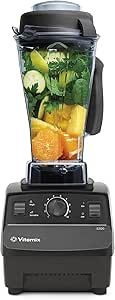
Vitamix 5200 Professional-Grade Blender, 64 oz. Container, Black

Traeger Woodridge Pro Wood Pellet Grill and Smoker, 970 sq. in., WiFIRE

Ninja Artisan 5-in-1 Portable Electric Pizza Oven, Blue & Gold
As an affiliate, we earn on qualifying purchases.
Recent Trends in Food Safety and Frozen Food Contamination in Germany
Over the past year, there has been an increase in reports and searches related to food recalls in Germany, particularly involving frozen foods. Authorities have been investigating multiple incidents of contamination, including Noroviruses, which are highly contagious and can cause severe gastrointestinal symptoms. The rise in consumer concern has led to heightened scrutiny of supply chains and testing protocols. Lidl, as one of Germany’s leading supermarket chains, has been proactive in recalling affected products to mitigate health risks and maintain consumer trust. This recall follows similar incidents in recent months, reflecting ongoing challenges in ensuring food safety in the frozen food industry.
“We are committed to ensuring the safety of our customers and have taken immediate steps to recall affected products. We advise consumers to check their purchases and return any items listed in the recall notice.”
— Lidl spokesperson
Extent of Contamination and Potential Health Risks Unclear
It is not yet confirmed how widespread the contamination is or whether it has caused any illnesses. Authorities are still analyzing the affected batches, and no reports of sickness have been officially linked to these products so far. The specific bacteria involved, such as Noroviruses, are known to cause gastrointestinal issues, but the actual health impact depends on individual consumption and immune response. Further testing results and health reports are awaited to clarify the full scope and risk level of this incident.
Next Steps in the Food Safety Investigation and Consumer Guidance
Food safety authorities and Lidl will continue to investigate the contamination source and extent. Consumers are advised to check their freezer products against the recall list and return affected items. Lidl is expected to update the public with further details and possibly extend the recall if additional batches are identified. Health agencies will monitor for any reports of illness and provide guidance on symptoms and treatment if necessary. The incident underscores the importance of rigorous safety protocols in food production and distribution.
Key Questions
Which products are affected by the Lidl recall?
The recall affects various frozen vegetables and ready-to-eat meals identified by specific batch numbers and expiration dates, detailed on Lidl’s official website and in-store notices.
What should I do if I bought a recalled product?
Consumers should return the affected products to Lidl stores for a full refund or exchange. It is advised not to consume the recalled items.
Are there reports of illnesses linked to these products?
No confirmed cases of illness have been reported so far. The recall is precautionary based on routine testing results.
What bacteria are involved in the contamination?
The contamination could involve bacteria such as Noroviruses, which are known to cause gastrointestinal illnesses, but specific bacteria are still under investigation.
How can I stay updated on this recall?
Follow official updates from Lidl and German food safety authorities through their websites and notices in stores.
Source: google-trends