
TL;DR

Get coffee and tea gear delivered free — and shop member deals
- Fast, free delivery on millions of items
- Access to Prime Big Deal Days deals on October 6–7
- Prime Video, Amazon Music and more included
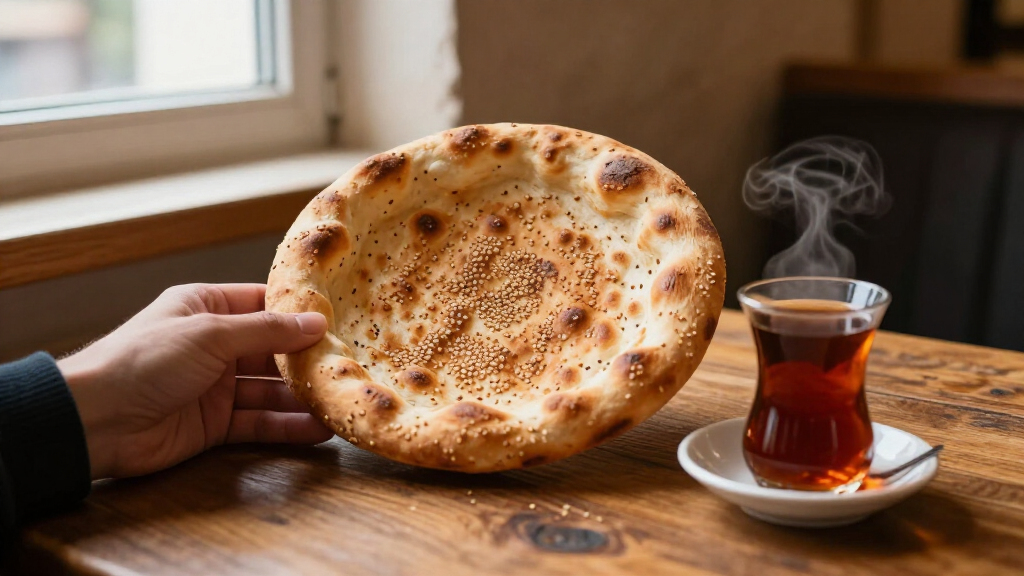
In 2015, Uzbekistan highlighted its traditional flatbreads as a key part of its cultural heritage. This recognition aims to preserve a centuries-old culinary tradition facing modern threats.
In 2015, Uzbekistan formally recognized its traditional flatbreads as an integral part of its cultural heritage, emphasizing their historical significance and the need for preservation amid modern changes.
The flatbreads, known locally as non, have been a staple of Uzbek cuisine for centuries, with recipes and baking techniques passed down through generations. In 2015, the government and cultural organizations launched initiatives to promote awareness and preserve these traditional breads, which are often baked in tandoors and vary regionally.
Experts and cultural advocates have highlighted that these flatbreads are more than just food; they symbolize community, hospitality, and cultural identity. Despite their importance, modern influences and economic pressures have led to challenges in maintaining traditional baking practices, prompting efforts to safeguard this culinary heritage.
Cultural Identity and Heritage Preservation Efforts
The recognition of Uzbekistan’s traditional flatbreads in 2015 underscores their role as a symbol of national identity. Preserving these recipes and baking methods helps maintain cultural continuity amid rapid modernization and globalization. It also supports local economies through traditional food tourism and artisanal baking practices, making the flatbreads a vital part of Uzbekistan’s intangible cultural heritage.
traditional Uzbek flatbread baking kit
As an affiliate, we earn on qualifying purchases.
As an affiliate, we earn on qualifying purchases.
Historical Roots and Modern Challenges to Flatbread Traditions
Uzbekistan’s flatbreads, or non, have been central to Central Asian cuisine for over a millennium, with regional variations reflecting local customs and ingredients. Historically, they were baked in communal tandoors, often during festivals and family gatherings. However, the rise of industrialized baking and urbanization in the 21st century has threatened the continuity of traditional methods. In 2015, efforts to revive and promote these breads gained momentum, including inclusion in UNESCO’s list of intangible cultural heritage elements and local government campaigns.
“The flatbreads of Uzbekistan are more than food—they are a symbol of our history, community, and hospitality. Protecting them is protecting our identity.”
— Dr. Alisher Khamidov, Uzbek Cultural Historian
Uncertainties Surrounding Preservation and Modern Adoption
It is not yet clear how successful the 2015 initiatives have been in reversing the decline of traditional flatbreads. While recognition and awareness campaigns have increased, challenges remain in ensuring widespread adoption of traditional baking techniques, especially among younger generations and in urban areas. The extent to which these efforts will sustain the tradition long-term is still uncertain.
Future Preservation Strategies and Cultural Promotion
Authorities and cultural organizations plan to expand educational programs, include traditional flatbreads in culinary tourism initiatives, and seek UNESCO recognition for further protection. Monitoring the impact of these efforts over the coming years will determine the future of Uzbekistan’s flatbread heritage.
Key Questions
Why are Uzbek flatbreads considered culturally significant?
They symbolize community, hospitality, and national identity, representing centuries of culinary tradition passed down through generations.
What challenges do traditional Uzbek flatbreads face today?
Modern industrial baking, urbanization, and changing lifestyles threaten the preservation of traditional recipes and baking techniques.
What efforts have been made to preserve these flatbreads since 2015?
Initiatives include government campaigns, inclusion in UNESCO’s intangible cultural heritage list, and community-led educational programs to pass down traditional baking methods.
Are traditional flatbreads still widely available in Uzbekistan?
Availability varies; they remain popular in rural areas and during cultural festivals, but urban and younger populations face challenges in accessing or maintaining traditional baking practices.
What role does UNESCO play in preserving Uzbek flatbreads?
Recognition by UNESCO can provide legal protection and international visibility, encouraging further efforts to safeguard the tradition.
Source: hn
Fall Picks
fall essentials
As an affiliate, we earn on qualifying purchases.