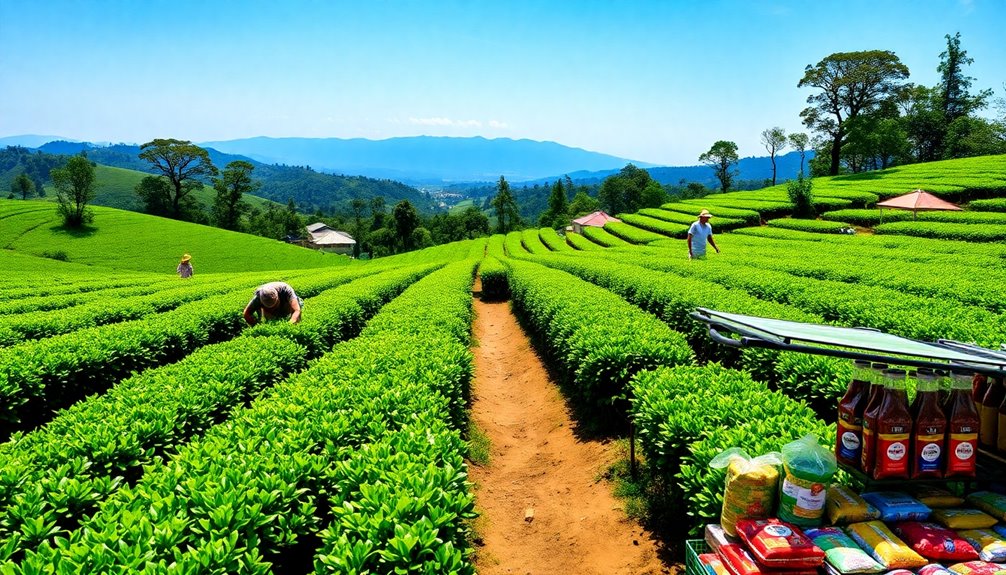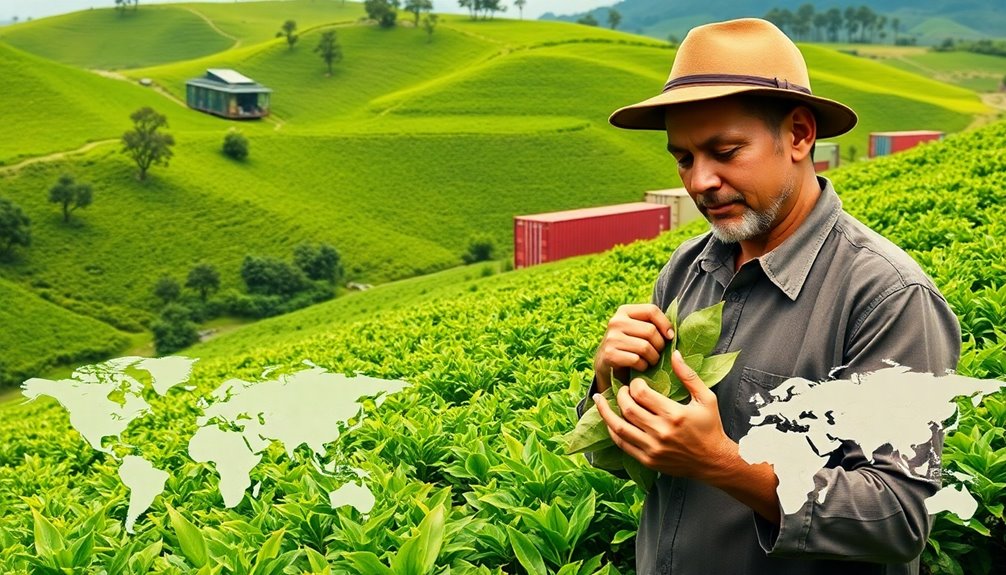

The future of tea trade and economics is shaped by sustainability, consumer trends, and innovation. You’ll see a growing demand for ethically sourced, eco-friendly products, backed by certifications that boost market appeal. New farming techniques and digital channels open opportunities for higher profits and expanded markets. Staying ahead of policies and embracing eco-conscious practices can give you a competitive edge as the industry evolves. Keep exploring to discover how these changes will impact your role in the market.
Key Takeaways
- Growing consumer demand for ethically produced, organic, and sustainable teas enhances market value and competitiveness.
- Certification and eco-labels boost transparency, trust, and differentiation in the global tea market.
- Adoption of innovative, climate-resilient farming techniques ensures long-term supply stability.
- Digital platforms and e-commerce expand market reach and facilitate direct trade opportunities.
- Policy emphasis on sustainability, fair trade, and environmental standards shape future industry growth.

The tea trade plays a pivotal role in shaping global economies, influencing everything from farmers’ livelihoods to international markets. As you look ahead, understanding how sustainable farming practices and global market trends will impact this industry becomes essential. Sustainable farming is no longer just an ethical choice; it’s a strategic necessity. With increasing consumer awareness and demand for ethically produced products, you’ll find that farms adopting eco-friendly methods not only contribute to environmental preservation but also gain a competitive edge. These practices often lead to healthier soil, higher-quality leaves, and long-term productivity, ensuring farmers remain resilient against climate change and resource depletion. As global market trends shift towards transparency and sustainability, you’ll need to stay informed about certifications and eco-labels that influence purchasing decisions worldwide. The industry is moving away from traditional practices, emphasizing organic cultivation, reduced chemical use, and water conservation. By embracing these trends, you help promote ethical sourcing, which appeals to discerning consumers and boosts your marketability.
Looking further into the future, you’ll see that the dynamics of supply and demand will continue to evolve. Emerging markets and changing consumer preferences will shape the industry’s trajectory. For example, health-conscious consumers are increasingly interested in functional teas, such as herbal blends and specialty infusions, which opens new avenues for farmers and traders. Digital platforms and e-commerce are transforming how you access markets, making it easier to connect directly with buyers who prioritize sustainable and ethically sourced products. This shift empowers you to command better prices and establish more transparent supply chains. Meanwhile, climate change poses challenges, but it also encourages innovation in sustainable farming techniques. You might adopt drought-resistant varieties, integrated pest management, or agroforestry systems to adapt to changing conditions. These innovations will influence global market trends by making production more resilient and sustainable over time. Additionally, the rise of catering and delivery services and their integration with digital technology presents new opportunities for expanding your market reach.
Furthermore, policy developments and trade agreements will continue to shape the future landscape. Governments and international organizations are increasingly emphasizing sustainability standards, fair trade, and carbon footprint reduction. If you stay ahead of these regulations, you’ll be better positioned to capitalize on new opportunities and avoid potential barriers. Overall, the future of the tea trade hinges on your ability to adapt to these evolving trends, prioritize sustainable farming, and leverage market shifts. By doing so, you’ll help build a resilient, ethical, and profitable industry that benefits everyone involved—from smallholder farmers to global consumers. The industry’s next chapter promises growth and innovation, provided you stay committed to sustainability and stay attuned to global market changes.
Frequently Asked Questions
How Will Climate Change Impact Global Tea Production?
Climate change will challenge your tea production by increasing extreme weather events and shifting growing conditions. To stay resilient, you’ll need to focus on improving climate resilience through sustainable practices and adopting crop diversification strategies. These measures help protect your crops from unpredictable weather, ensuring steady yields. By proactively embracing adaptation techniques, you can mitigate risks and maintain your tea supply despite the changing climate.
What Emerging Markets Are Expected to Dominate Tea Trade?
Emerging markets are poised to become the rising tide lifting the global tea trade, with countries like India, China, and Indonesia leading the charge. You’ll see these markets dominate as their tea consumption surges, much like a wildfire spreading swiftly. Their growing middle classes and expanding retail sectors make them key players, transforming the tea landscape and creating new opportunities for exporters enthusiastic to tap into this expanding demand.
How Will Technological Advances Influence Tea Farming Methods?
You’ll see technological advances like precision agriculture and AI-driven cultivation transforming tea farming methods. These innovations allow you to optimize resource use, improve crop yields, and monitor plant health more accurately. By adopting such technologies, you can reduce waste, increase efficiency, and respond swiftly to environmental changes. Embracing precision agriculture and AI-driven techniques will make your tea farming more sustainable and profitable in the long run.
What Are the Potential Effects of Trade Policies on Tea Exports?
Trade policies like tariff impacts and export restrictions can substantially affect your tea exports. Higher tariffs might increase costs, reducing your competitiveness in global markets. Conversely, relaxed export restrictions could open new opportunities, boosting your sales abroad. Being aware of these policies helps you plan strategically, ensuring you adapt swiftly to changing regulations and maintain a steady flow of tea exports. Staying informed allows you to navigate trade hurdles effectively.
How Might Consumer Preferences Shift in the Coming Decade?
You might find that consumer preferences shift towards healthier options, driven by health trends emphasizing natural and organic products. Packaging innovations could also influence your choices, as eco-friendly and convenient designs become more popular. Expect more interest in specialty teas and functional blends that cater to wellness. These changes could lead you to explore new flavors and brands, shaping your tea-drinking habits over the coming decade.
Conclusion
If you think today’s tea trade is impressive, wait until you see what’s coming! The future promises a whirlwind of unstoppable growth, skyrocketing prices, and tea trade dominance that will make history books jealous. You’ll witness a global frenzy where tea becomes more than a beverage—it’s an unstoppable economic force that will shake the very foundations of world markets. Get ready, because the tea revolution is about to blow your mind!