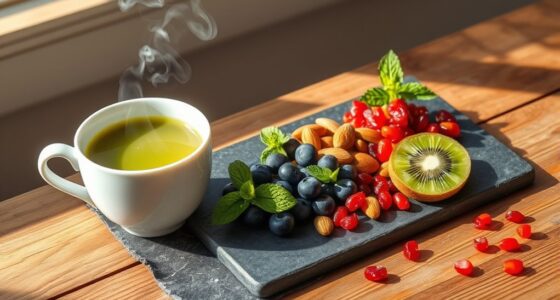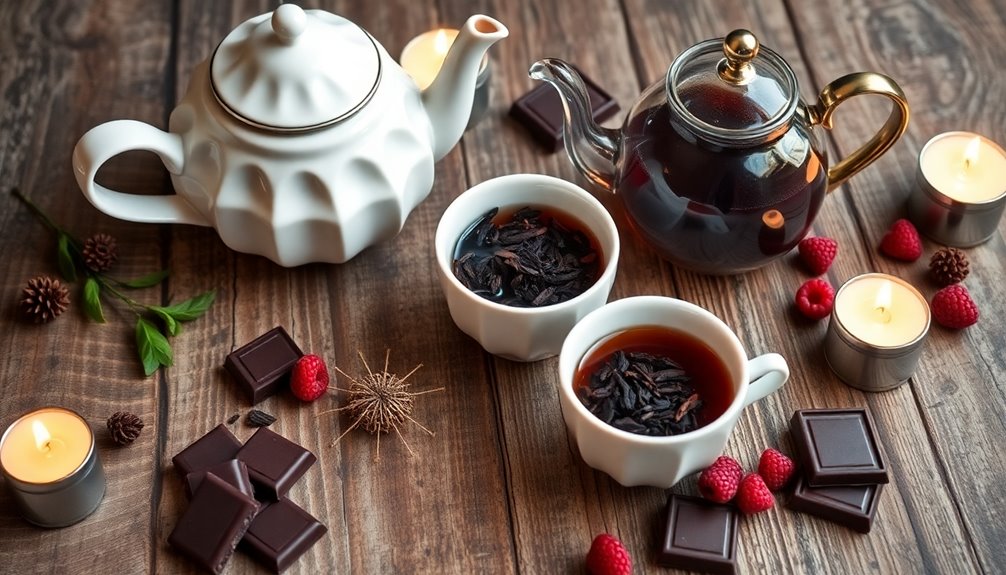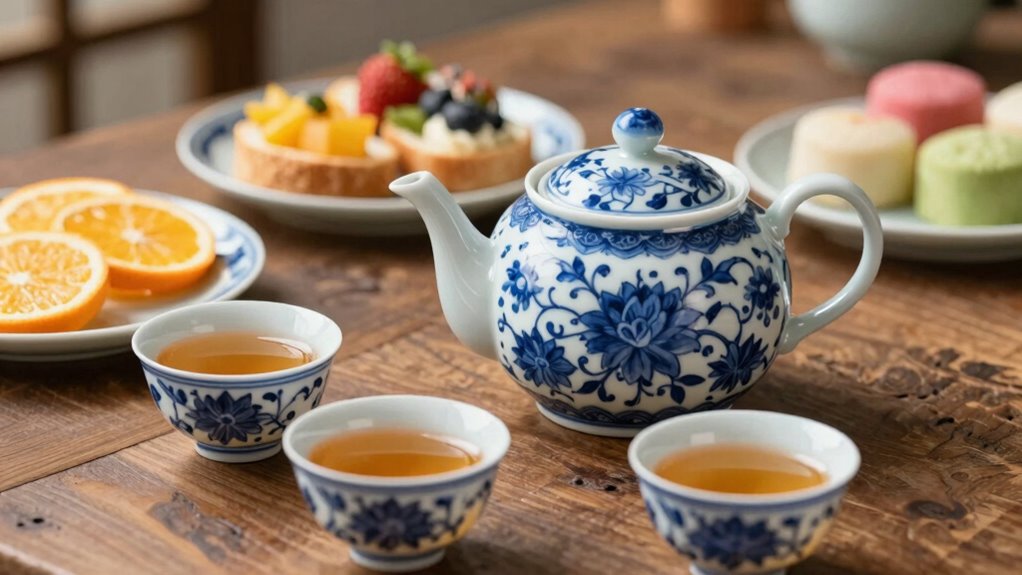

Tea pairing with food has transformed modern tea culture into a mindful, sensory experience that emphasizes flavor harmony and personal connection. It encourages you to think critically about how different teas enhance dishes, creating a richer appreciation for new and traditional practices. This approach turns simple sipping into an intentional ritual, fostering reflection and experimentation. As you explore these ideas, you’ll discover how tea becomes more than just a drink—it’s part of a meaningful culinary journey.

Get coffee and tea gear delivered free with Prime
- Fast, free delivery on millions of items
- Prime Video, Amazon Music and more included
- Member-only deals all year
Key Takeaways
- Enhances sensory experiences by creating harmonious flavor combinations that elevate both tea and food.
- Transforms tea drinking into mindful, ritualistic practices rooted in traditional ceremonies.
- Encourages experimentation and personal discovery, enriching individual appreciation of tea’s versatility.
- Deepens cultural understanding by integrating traditional tea ceremony principles into modern social settings.
- Elevates tea from casual beverage to a sophisticated element of culinary and social conversations.
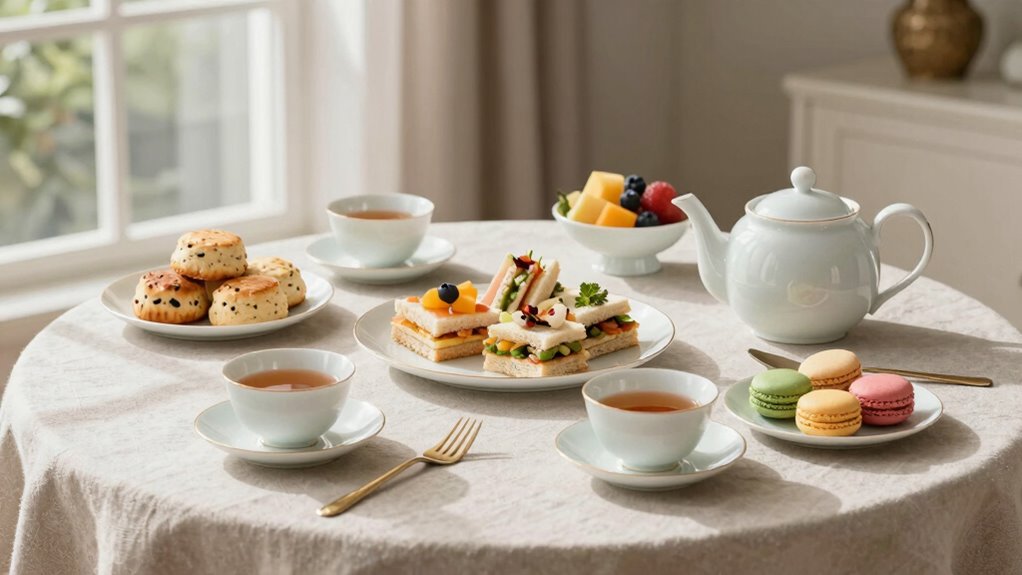
Tea pairing has become an essential aspect of modern tea culture, elevating the way we enjoy this ancient beverage alongside food. As more people explore the art of pairing, you begin to see how it transforms the experience from simple sipping to a mindful ritual. This shift is deeply connected to the traditional tea ceremony, which emphasizes attentiveness, harmony, and respect. Today’s tea enthusiasts often adapt these principles, focusing on how different teas complement specific dishes to enhance flavors and create a balanced tasting journey. When you pair tea with food, you’re not just enjoying a drink; you’re engaging in a sensory dialogue where each element amplifies the other’s qualities.
Tea pairing elevates the experience from sipping to mindful, harmonious culinary conversations.
In modern tea culture, the idea of flavor enhancement plays a pivotal role. You might find yourself choosing a light green tea to refresh the palate alongside delicate seafood, or opting for a robust black tea to stand up to hearty, spicy dishes. This deliberate pairing deepens your appreciation of both food and tea, revealing nuances you might have missed otherwise. The process encourages you to think critically about flavor profiles, texture, and aroma, turning a simple meal into a sophisticated experience. It’s about creating harmony—where the bitterness of an oolong balances the sweetness of a dessert, or where the earthiness of a pu-erh complements savory, umami-rich dishes. Additionally, this practice encourages a mindful approach that connects you more deeply to the sensory experience.
Furthermore, the influence of tea pairing on modern tea culture extends beyond taste. It fosters a more intentional approach to drinking tea, encouraging you to slow down and savor each sip in the context of a meal. This mindful consumption echoes the traditions of the tea ceremony, which emphasizes respect for the ingredients and the ritual of preparation. By adopting similar principles, you elevate your daily tea-drinking practice into a moment of reflection and connection. Pairing also promotes experimentation, inspiring you to explore different combinations and discover your personal preferences. Whether you’re hosting a tea tasting or simply enjoying a quiet moment at home, thoughtful pairing enhances your understanding and enjoyment of tea’s versatility.
Additionally, understanding the traditional foundations of tea ceremonies can enrich your modern pairing practices, fostering a deeper appreciation for the cultural significance behind the ritual. Incorporating cultural elements into your tea experience allows for a more meaningful connection to the history and symbolism of tea. Exploring the history of tea ceremonies can offer valuable insights into how these traditions influence contemporary practices. Recognizing the cultural significance of tea helps deepen your appreciation for its role across different societies and traditions. In essence, tea pairing influences modern tea culture by blending tradition with innovation. It invites you to approach tea not just as a beverage but as an integral part of a culinary experience. The focus on flavor enhancement and mindful appreciation encourages a deeper connection to the food on your plate and the tea in your cup. As this practice continues to evolve, it helps cultivate a richer, more nuanced appreciation for tea’s role in social and personal rituals, making every sip a meaningful and sensory-rich event.
As an affiliate, we earn on qualifying purchases.
Frequently Asked Questions
How Has Tea Pairing Evolved in Different Cultures Globally?
You see that tea pairing has evolved through cultural fusion and modern experimentation across the globe. In some cultures, traditional pairings are now blended with international flavors, creating new taste experiences. You might notice innovative pairings in modern cafes or fusion restaurants, where chefs combine local ingredients with tea. This evolution reflects a dynamic, globalized approach to tea culture, encouraging you to explore diverse flavors and deepen your appreciation for tea’s versatility.
What Are the Health Benefits of Specific Tea and Food Pairings?
You benefit from specific tea and food pairings by experiencing flavor harmony and nutritional synergy. For example, pairing green tea with citrus boosts antioxidants and enhances digestion, while oolong tea with nuts supports metabolism. These combinations can improve immunity, reduce inflammation, and boost energy levels. When you choose your pairings thoughtfully, you’re not just enjoying taste but also revealing health benefits, making tea a nourishing part of your daily routine.
How Do Seasonality and Regional Ingredients Influence Pairing Choices?
Seasonality and regional ingredients steer your pairing choices by emphasizing seasonal flavors and regional ingredients. You select teas that complement fresh, seasonal produce, enhancing flavors and creating harmony. Regional ingredients inspire you to explore local teas and dishes, fostering a sense of place. This approach makes your tea experience more vibrant, authentic, and connected to the time of year and local culture, enriching modern tea culture with diverse, seasonally inspired pairings.
Are There Traditional Rules for Pairing Tea With Savory Versus Sweet Dishes?
Yes, there are traditional rules for pairing tea with savory versus sweet dishes. You aim for flavor harmony, matching the tea’s qualities with the dish’s intensity. For savory foods, lighter teas like green or white often work best, while rich, sweet dishes pair nicely with darker teas like black or oolong. These pairings hold cultural significance, reflecting regional tastes and enhancing the overall dining experience.
How Does Tea Pairing Impact the Social Aspect of Tea Drinking?
Tea pairing enhances social bonding, elevating tea etiquette and deepening connections. When you select the right tea with food, you foster shared moments, spark conversations, and create memorable experiences. The harmony of flavors encourages openness, inviting others to relax and engage. As you savor each sip and bite, you build traditions and strengthen relationships, making every tea gathering more meaningful and culturally rich.
Conclusion
Just as a skilled conductor guides an orchestra to harmony, pairing tea with food orchestrates a symphony for your senses. When you embrace thoughtful combinations, you’re not just drinking tea—you’re composing a moment of cultural elegance. Each sip and bite becomes a note in a grand melody that elevates your tea experience, transforming everyday rituals into refined traditions. In this dance of flavors, you become the maestro, crafting a modern tea culture rich with nuance and grace.
Fall Picks
fall essentials
As an affiliate, we earn on qualifying purchases.