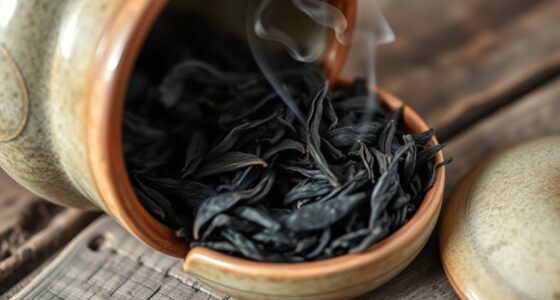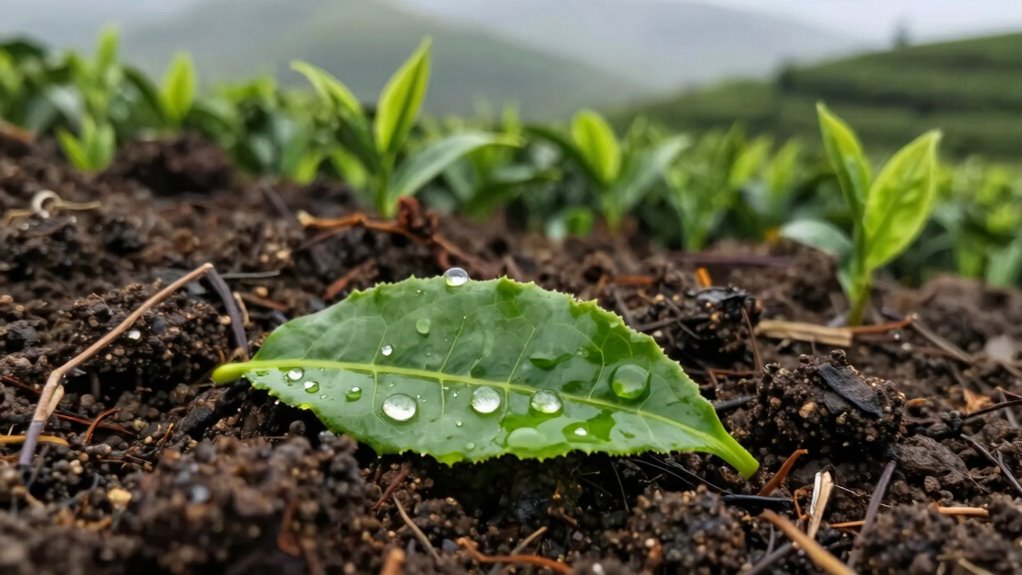

Understanding the origins of tea shows you the rich history, diverse cultures, and craftsmanship behind each cup. You’ll see how traditional methods and regional techniques shape flavor and identity, revealing stories of climate, geography, and legacy. These elements reflect a deep cultural pride that enhances your experience. By appreciating where tea comes from, you connect with centuries of tradition and artistry. Keep exploring, and you’ll discover the fascinating stories behind every sip.

Get coffee and tea gear delivered free with Prime
- Fast, free delivery on millions of items
- Prime Video, Amazon Music and more included
- Member-only deals all year
Key Takeaways
- Understanding tea origins reveals the rich cultural heritage and traditional practices behind different regional teas.
- Regional cultivation techniques shape unique flavors, highlighting the diversity and authenticity of tea.
- Climate and geography influence tea quality, emphasizing the importance of specific origins for flavor profiles.
- Traditional harvesting methods preserve craftsmanship and uphold cultural identities across tea-producing regions.
- Appreciating tea origins enhances consumer knowledge, fostering respect for the history and legacy embedded in each cup.
Tea is more than just a comforting beverage; its origins are a fascinating story waiting to be explored. When you think about tea, you might picture a warm cup and relaxing moments, but behind that simple pleasure lies a rich history rooted in centuries of tradition and cultural significance. Understanding where tea comes from takes you on a journey through the intricate process of tea cultivation and the traditional harvesting methods that have been preserved over generations. These practices are not just about producing a drink; they’re about honoring a legacy that connects farmers, regions, and cultures across the world.
Tea’s rich history and traditional harvesting methods connect us to a timeless cultural legacy.
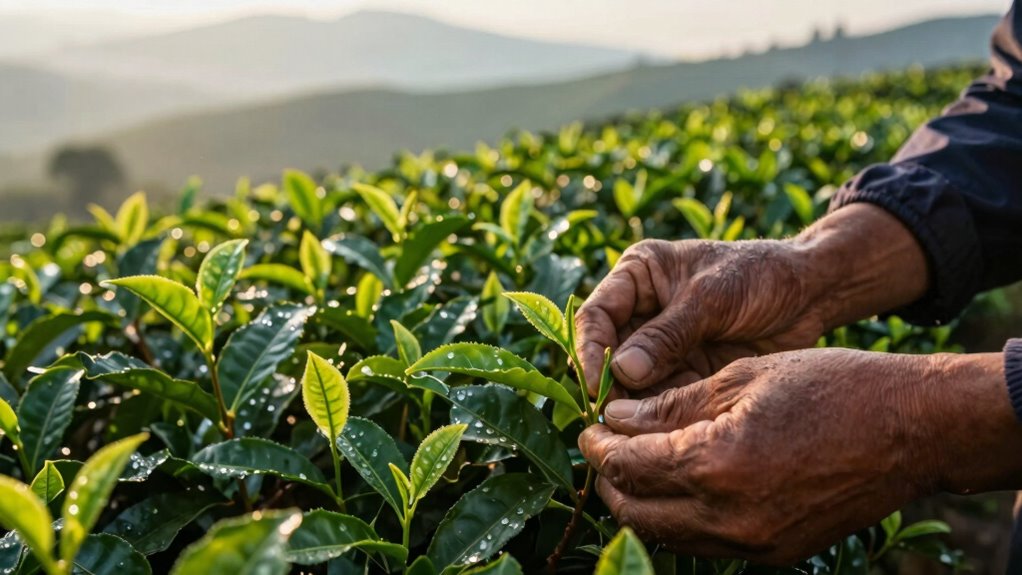
You may be surprised to learn that tea cultivation is a meticulous process that demands careful attention to detail. It begins with selecting the right tea plants, usually Camellia sinensis, which thrive in specific climates and altitudes. The environment plays a crucial role — the soil, temperature, and rainfall all influence the flavor and quality of the leaves. Once the plants are growing, it’s time for traditional harvesting, a craft handed down through generations. During this stage, experienced harvesters use precise techniques to pick only the tender, young leaves and buds, often by hand. This traditional harvesting method guarantees the highest quality, as it allows for selective picking that machine harvesting cannot match. The skill involved in traditional harvesting highlights the cultural importance placed on the art of tea.
As you explore more deeply into the history of tea, you’ll discover that these traditional practices are more than just methods of production—they’re a reflection of local customs and regional identities. Many tea-growing regions, whether in China, India, Japan, or elsewhere, have cultivated specific techniques that shape the character of their teas. These methods have been refined over centuries, blending tradition with the demands of modern production, but the core principles remain rooted in preserving the authenticity of each harvest. These cultural practices are deeply intertwined with regional identities, emphasizing the significance of tradition in shaping unique tea profiles. The dedication of farmers and harvesters to uphold these traditions underscores the cultural significance and the pride embedded in every leaf. Recognizing the importance of traditional practices helps to preserve the cultural heritage that makes each region’s tea unique. Additionally, understanding the geographical origins of tea enhances appreciation for its diverse flavors and qualities.
In investigating the origins of tea, you gain an appreciation for the careful balance between nature, tradition, and human skill. It’s fascinating to see how climate and altitude influence the distinctive flavors of different teas, reinforcing the importance of regional characteristics. Recognizing the importance of tea cultivation and traditional harvesting enriches your understanding of why every cup holds a story—one of history, craftsmanship, and cultural identity that deserves closer attention. It’s a reminder that behind every sip lies a centuries-old journey worth celebrating. Understanding the cultural significance of these traditional practices provides a deeper insight into the enduring legacy of tea.
premium loose leaf tea from China
As an affiliate, we earn on qualifying purchases.
As an affiliate, we earn on qualifying purchases.
Frequently Asked Questions
How Do Climate Changes Impact Tea Cultivation Regions?
Climate changes impact tea cultivation regions by altering weather patterns, which threaten crop resilience. You need to focus on climate adaptation strategies to protect tea plants from unpredictable temperatures, droughts, and storms. These changes can reduce yields and quality, making it essential to develop resilient crop practices. By understanding climate effects, you can better safeguard tea origins, ensuring sustainable production and preserving the unique flavors linked to specific regions.
What Are the Traditional Harvesting Methods Across Different Tea Origins?
You’ll find that traditional harvesting methods vary across tea origins, but many still rely on traditional plucking, where skilled workers pick only the tender leaves and buds by hand. After harvesting, they often use hand sorting to carefully select the best leaves, ensuring quality. These methods preserve the tea’s unique flavors and qualities, highlighting the cultural heritage and dedication behind each region’s tea production.
How Does Terroir Influence the Flavor Profiles of Various Teas?
Terroir profoundly shapes your tea’s flavor by affecting tea leaf oxidation and soil mineral content. Imagine the lush, mineral-rich soils of Darjeeling giving your tea a bright, floral note, while the volcanic soils of Japan add a smoky depth. The unique climate and soil conditions influence how tea leaves oxidize, creating distinct taste profiles. You’ll notice these subtle differences, making each sip a reflection of its origin’s natural environment.
Are There Unique Processing Techniques Specific to Certain Regions?
Yes, specific regions develop unique processing techniques influenced by local traditions and climate. For example, in Taiwan, you’ll find intricate tea fermentation methods that create distinctive flavors, while in China, traditional processing machinery, like hand-operated rollers, shape their teas’ character. These regional techniques deeply impact the taste, aroma, and quality of the teas, making each origin’s products truly unique. Exploring these differences helps you appreciate the rich diversity in tea craftsmanship.
What Are the Historical Trade Routes That Spread Tea Globally?
You explore the historical trade routes that spread tea globally, from the Silk Road connecting China to Central Asia, to maritime routes linking Asia to Europe and Africa. These routes carried more than tea—they shared Tea cultural and ceremonial practices, transforming societies. The Dutch, Portuguese, and British played pivotal roles, establishing trade hubs and fueling the global tea craze, making these routes essential in shaping tea’s rich history worldwide.
Conclusion
So, next time you sip your tea, take a moment to appreciate its quiet journey from distant lands. The story behind each cup is like a gentle whisper of history and tradition, inviting you to savor more than just the flavor. By paying closer attention to its origins, you’re not only enriching your experience but also honoring the delicate craftsmanship behind every leaf. Cheers to discovering the hidden tales in your favorite brew!
Halloween Picks
halloween
As an affiliate, we earn on qualifying purchases.