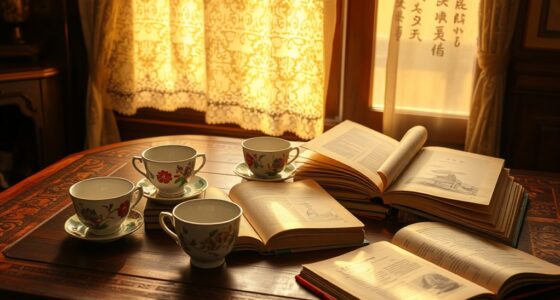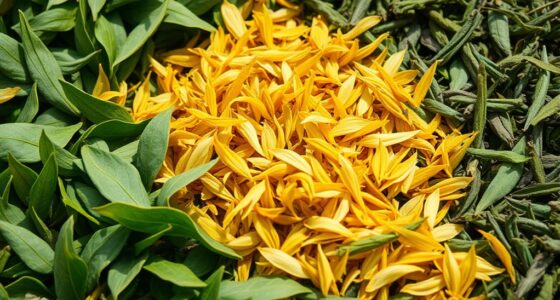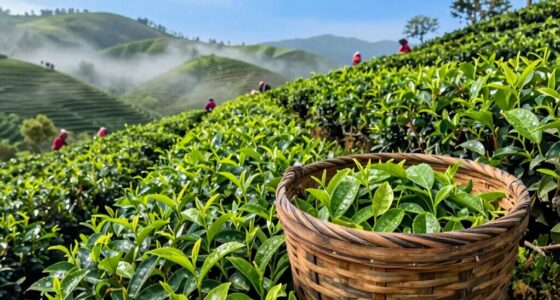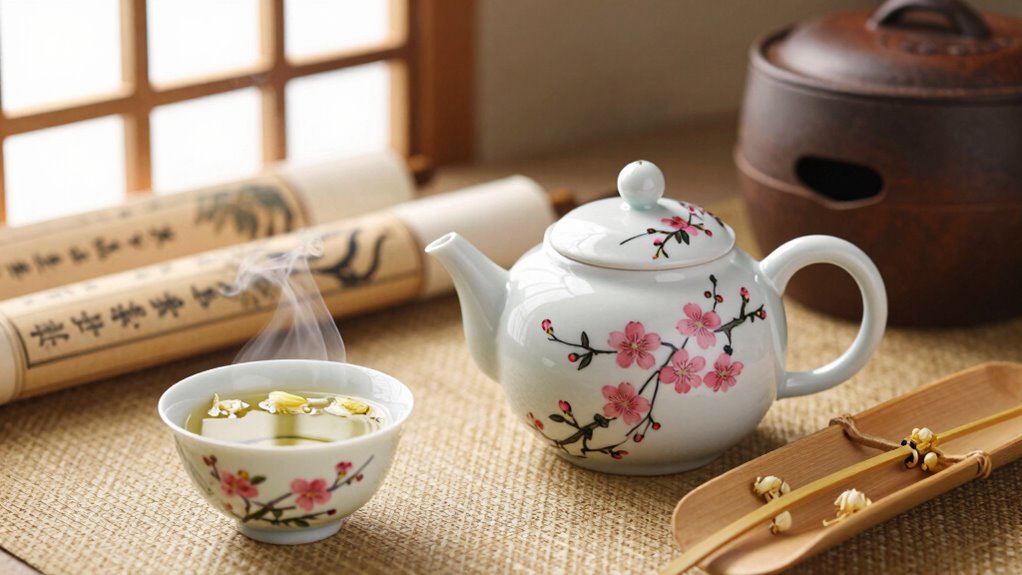

Your appreciation for modern tea culture is shaped by its rich origins, which influence rituals and values today. From Japanese ceremonies emphasizing harmony and mindfulness to Chinese traditions focused on craftsmanship and symbolism, these practices reflect deep cultural roots. They encourage respect, meditation, and mindful appreciation of tea. By understanding how history has molded these customs, you can better enjoy the significance behind each sip and uncover even more about tea’s cultural journey.
Listen free for 30 days with Audible
Thousands of audiobooks and originals — cancel anytime.
As an affiliate, we earn on qualifying purchases.
Key Takeaways
- Traditional tea rituals reflect historical cultural values that continue to shape modern tea ceremonies worldwide.
- Chinese and Japanese origins influence contemporary practices emphasizing mindfulness, craftsmanship, and social harmony.
- Cultural symbolism associated with tea fosters respect and appreciation in current tea-drinking habits.
- Historical customs promote sustainable and mindful consumption, aligning with modern eco-conscious lifestyles.
- Understanding tea’s origins enhances appreciation of diverse, authentic modern tea traditions globally.
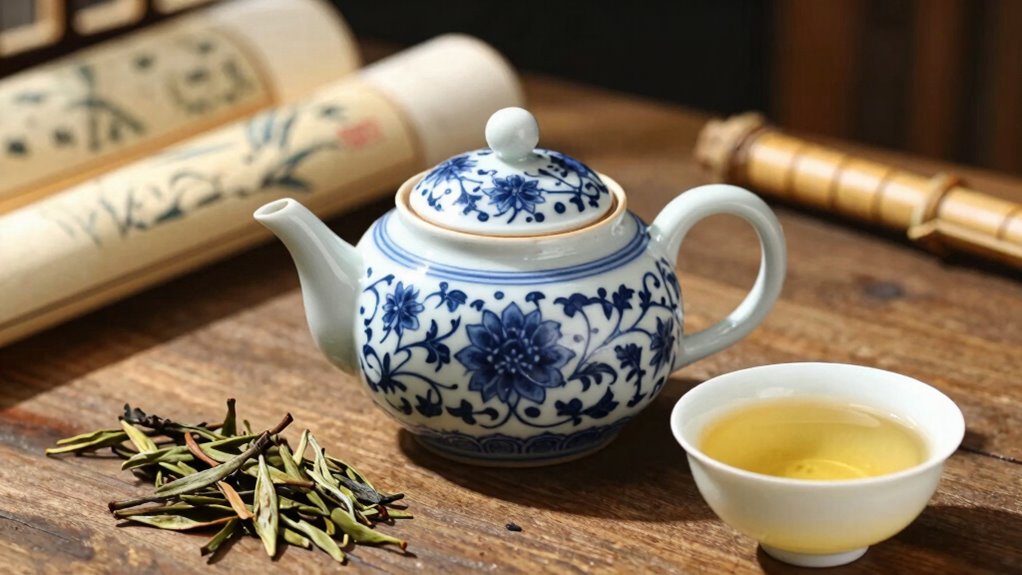
Tea culture has a rich history that dates back thousands of years, shaping social rituals and daily routines across the globe. You might notice how different regions have developed unique traditions around tea, and understanding these origins helps you appreciate the deeper significance of your own tea-drinking habits. For example, in Japan, tea ceremonies are more than just preparing and drinking tea—they are a form of art that emphasizes harmony, respect, , purity, and tranquility. These ceremonies serve as a reflection of cultural values, turning the act of tea-making into a meditative practice. You can see how these rituals carry cultural symbolism, representing more than just a beverage; they embody ideals, social order, and spiritual harmony. Recognizing the historical significance of these customs can further deepen your connection to tea as a cultural practice.
Tea rituals reflect cultural values, transforming drinking into a meditative practice that embodies harmony, respect, and spiritual harmony.
Across China, tea has long been intertwined with philosophy and social hierarchy. Traditional Chinese tea ceremonies, like Gongfu Cha, highlight craftsmanship and mindfulness. The history behind these rituals influences how you might approach your own tea experience—by paying attention to details like water temperature, steeping time, and utensil handling. It’s not just about drinking tea but about appreciating its cultural symbolism, which connects you to centuries of tradition and philosophical thought. These origins also inform modern practices, encouraging mindfulness and respect for the process, regardless of the setting. Recognizing how cultural symbolism shapes tea customs helps deepen your understanding and appreciation of this ancient beverage, especially considering its role in promoting sustainable living practices that honor tradition and environment. Additionally, exploring these origins can inspire you to incorporate more mindful and intentional habits into your daily routine, enriching your overall lifestyle.

ZENSO Premium Matcha Whisk Set – 10 Piece Japanese Matcha Tea Ceremony Kit | Matcha Bowl, Tea Canister, Purple Bamboo Whisk, Whisk Holder, Sifter, Scoop & Scoop Holder, Cup, Cloth, Spoon – Dark Gray
- Complete 10-Piece Matcha Set: Includes all essentials for tea ceremony
- Handmade Ceramic Pieces: Unique, handcrafted with wabi-sabi charm
- Natural Purple Bamboo Whisk: Resin-free, pure bamboo for optimal froth
As an affiliate, we earn on qualifying purchases.
As an affiliate, we earn on qualifying purchases.
Frequently Asked Questions
How Did Tea Cultivation Spread Globally From Its Origins?
You see, tea cultivation spread globally through trade routes like the Silk Road and European maritime exploration. As tea processing techniques traveled, different regions developed unique styles, influencing tea branding worldwide. You can notice this in how specific teas, such as Chinese green or Indian chai, carry their origins into modern markets. This spread shaped modern tea culture, making it diverse and rich with history, blending traditional methods with contemporary branding.
What Specific Cultural Practices Are Linked to Tea Origins?
Think of tea as a storybook, each sip revealing cultural secrets. You’ll notice that in China, precise tea preparation reflects respect and harmony, while in Japan, tea ceremonies embody Zen philosophy and mindfulness. In Britain, tea symbolizes social bonding and tradition. These practices are woven into the cultural symbolism of their origins, shaping how you prepare and enjoy tea today, making each cup a rich tapestry of history and meaning.
How Do Regional Climate Differences Affect Tea Flavors?
Regional climate differences greatly impact tea flavors through terroir nuances and climate impact. You’ll notice that warmer, humid climates produce teas with richer, bolder tastes, while cooler, higher-altitude regions yield more delicate, nuanced flavors. These climate conditions influence leaf growth, oxidation, and aroma development. By understanding terroir nuances and climate impact, you can better appreciate how the environment shapes the unique character of each tea, enriching your tasting experience.
Are There Traditional Ceremonies Unique to Each Tea-Origin Region?
You’ll find that each tea-origin region boasts its own traditional ceremony, full of cultural significance and unique rituals. Ironically, while these ceremonies highlight regional pride, they also serve to unify tea drinkers worldwide. From Japan’s precise tea ceremony to China’s Gongfu style, these rituals deepen your appreciation of tea’s cultural roots. They remind you that tea isn’t just a beverage but a cherished tradition, transcending borders and generations.
How Have Historical Trade Routes Shaped Modern Tea Consumption?
Historical trade influences have remarkably shaped your modern tea consumption by spreading tea plant domestication across regions. As traders exchanged tea leaves and knowledge along trade routes like the Silk Road and maritime paths, they introduced different varieties and brewing styles. This exchange diversified your tea choices today, blending traditional regional practices with new flavors and customs, making tea a global cultural phenomenon that reflects centuries of trade and interconnectedness.
Conclusion
Just as the roots of a mighty oak shape its branches, your appreciation for tea is deeply influenced by its origins. By understanding where tea comes from, you connect with centuries of tradition and culture, much like a traveler tracing the footsteps of ancient explorers. Embrace this journey, and let each sip remind you that, like the Odyssey, the story of tea is rich, timeless, and worth exploring with every cup you enjoy.
Back to school Picks
back to school
As an affiliate, we earn on qualifying purchases.