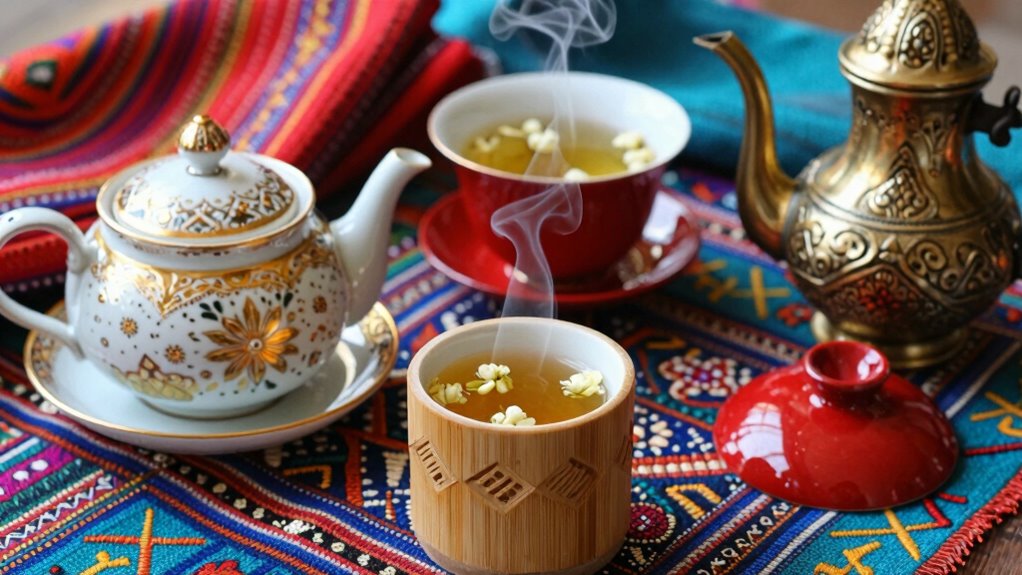
You should take a closer look at tea in different cultures because it reveals much more than just a beverage. It acts as a symbol of respect, identity, and tradition, shaping social bonds and spiritual values. Each culture’s tea rituals reflect their unique history and societal norms. By exploring these traditions, you gain a richer understanding of their worldviews. Keep exploring, and you’ll discover how tea connects people and preserves cultural heritage worldwide.

Get coffee and tea gear delivered free with Prime
- Fast, free delivery on millions of items
- Prime Video, Amazon Music and more included
- Member-only deals all year
Key Takeaways
- Tea symbolizes hospitality, respect, and cultural identity, reflecting societal values across different traditions.
- Unique tea ceremonies embody mindfulness, discipline, and artistry, offering insights into cultural philosophies.
- Tea acts as a bridge between generations, preserving customs and strengthening community bonds.
- Diverse tea practices highlight social norms and spiritual meanings, enriching cross-cultural understanding.
- Preserving traditional tea rituals supports cultural heritage and sustainable cultivation practices.
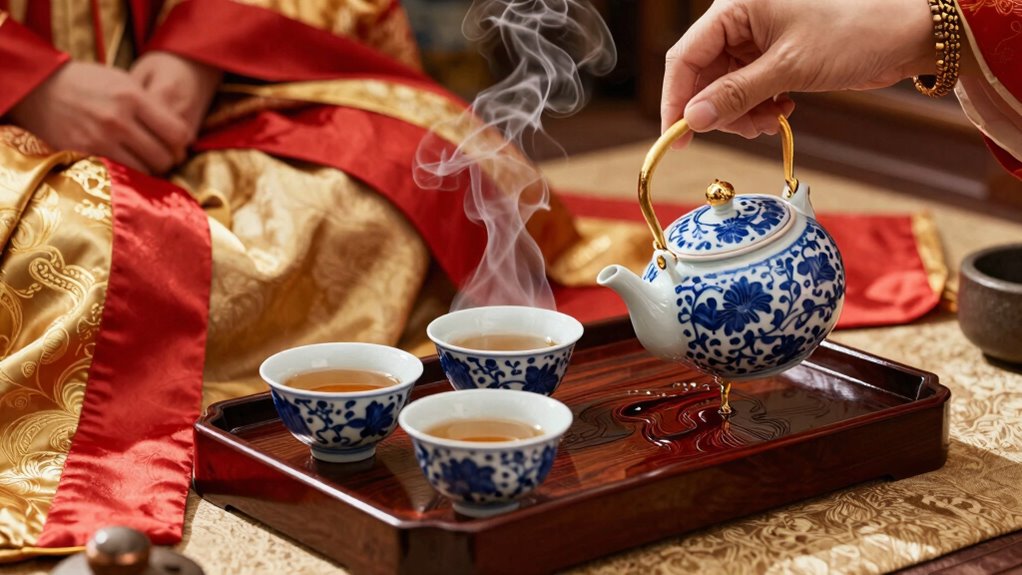
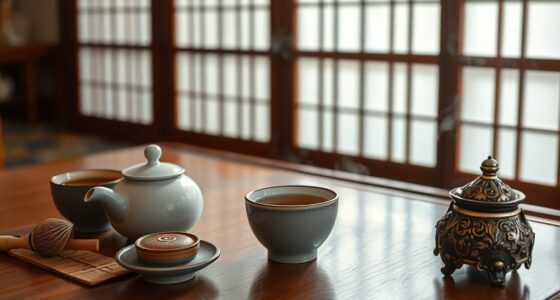
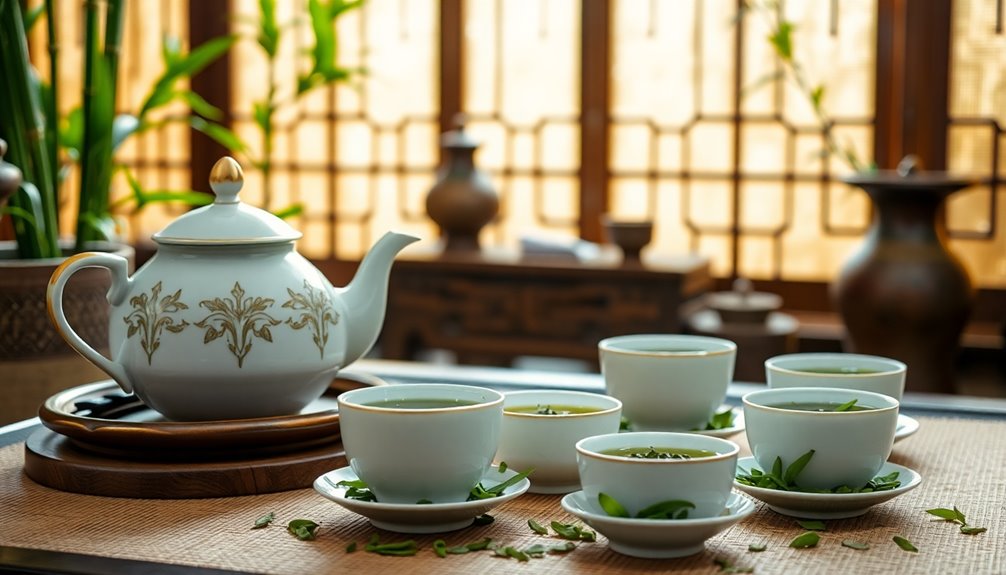
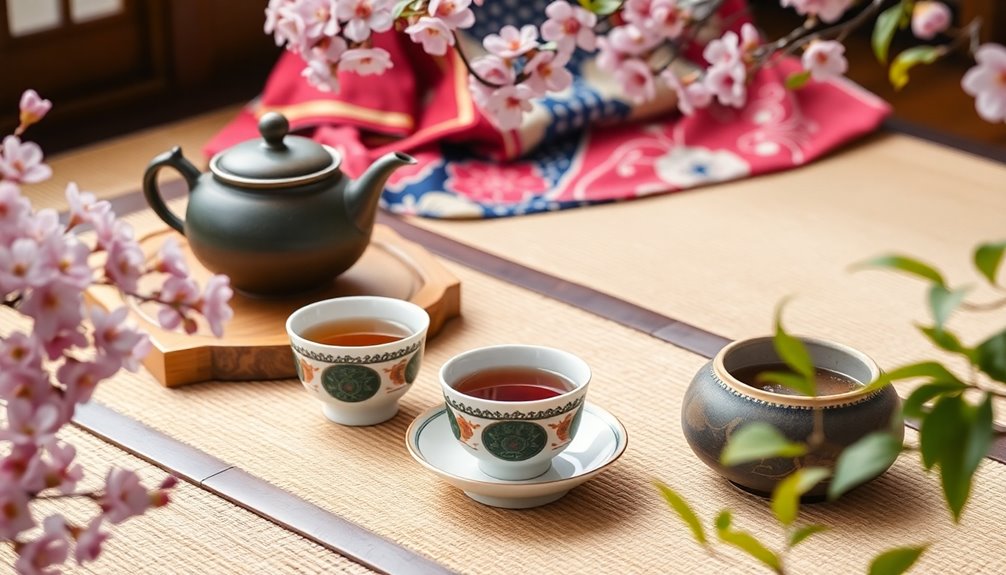
Tea has woven itself into the fabric of cultures around the world, serving purposes that go beyond simply quenching thirst. It’s a symbol of hospitality, respect, and tradition, often carrying deep cultural significance. When you explore different cultures’ tea practices, you begin to see how these rituals are more than just brewing and drinking; they’re expressions of identity and history. For example, in Japan, the tea ceremony, or “chanoyu,” is a highly ritualized event that emphasizes harmony, respect, purity, and tranquility. You participate in each step with mindfulness, appreciating the artistry behind every movement. This ceremony isn’t just about drinking tea but about cultivating a sense of calm and connection to nature and others. Similarly, in China, tea holds a central place in social interactions and family gatherings, symbolizing respect and unity. The preparation and serving of tea are often performed with deliberate care, embodying cultural values that emphasize discipline and harmony. These tea ceremonies serve as a bridge between generations, passing down customs that reinforce community bonds. Additionally, the tea rituals across different cultures highlight how this simple beverage can embody complex social and spiritual meanings. Moreover, the biodiversity of tea plants and their cultivation practices are crucial for preserving these cultural traditions and sustaining local ecosystems. Recognizing the cultural significance of tea helps us appreciate how deeply woven it is into the fabric of societal identity worldwide. The preservation of traditional practices ensures that these meaningful customs are not lost to time. By understanding the cultural diversity in tea traditions, we gain insight into the values and histories of different societies.
Products Worth Considering

KitchenAid 28 oz Cold Brew Coffee Maker, KCM4212

Le Creuset Enamemed Cast Iron Oval Dutch Oven, 5 qt., White/Crucible

Vitamix 5200 Professional-Grade Blender, 64 oz. Container, Black
As an affiliate, we earn on qualifying purchases.
Frequently Asked Questions
How Did Tea Originate in Different Cultures Globally?
Tea originated in China, where it became essential to tea rituals and cultural symbolism, spreading to Japan, India, and beyond. In each culture, people embraced unique preparation methods and ceremonies, reflecting their values and history. You’ll find that these traditions deepen your understanding of the cultures, showing how tea is more than a beverage—it’s a symbol of harmony, respect, and community across the globe.
What Are the Traditional Tea Preparation Techniques Worldwide?
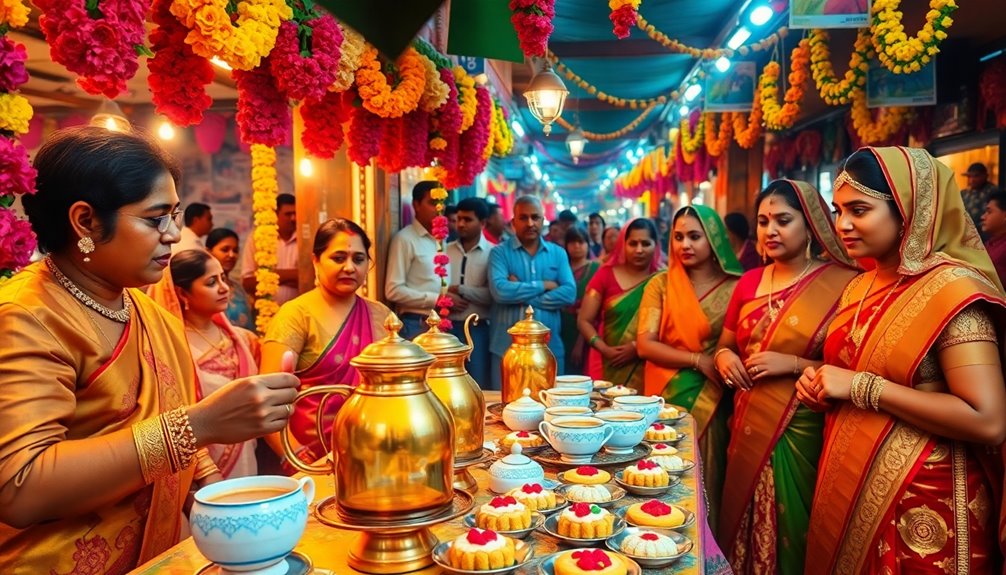
You prepare tea through rituals like the Japanese tea ceremony, where precise steps involve whisking powdered matcha. In China, leaf harvesting and boiling fresh leaves create traditional brews, while Indian chai combines steeping black tea with spices. Each culture’s method emphasizes respect for leaf harvesting, precise techniques, and ceremonial significance, making tea preparation a meaningful art form across the globe. These traditions celebrate history, craftsmanship, and cultural identity.
How Does Tea Influence Social Customs Across Cultures?
Tea influences social customs by shaping etiquette and fostering social bonding. When you participate in tea ceremonies or share a cup with others, you follow specific tea etiquette that shows respect and harmony. This act creates a sense of community and connection. Across cultures, tea becomes more than a beverage; it’s a ritual that brings people together, encouraging conversation, trust, and shared traditions that strengthen social relationships.
Are There Unique Health Benefits Associated With Regional Teas?
Did you know that herbal infusions like chamomile or ginseng are linked to reduced anxiety and improved sleep? Regional teas often come with unique health benefits, such as matcha’s antioxidants or yerba mate’s energy boost. Ceremonial brews like Chinese gongfu tea or Japanese matcha also promote mindfulness and relaxation. Embracing these regional teas lets you enjoy not just their flavors but their holistic health perks too.
How Have Modern Trends Changed Traditional Tea Practices?
Modern trends have markedly transformed traditional tea practices through tea innovation and modern brewing techniques. You now experiment with new flavors, brewing methods, and presentation styles, blending old customs with contemporary tastes. This shift allows you to enjoy a more personalized and diverse tea experience, breaking away from rigid rituals. As a result, traditional tea culture evolves, making it more accessible and appealing to a broader audience while still honoring its rich history.
Conclusion
As you sip your tea, imagine the steam curling up like a gentle dance, each culture’s cup telling its own story. From delicate Japanese matcha to robust British black tea, these traditions invite you to pause and savor more than just the flavor. Embrace the world in your hands, feeling the warmth and history blend with every sip. It’s not just a drink—it’s a journey across continents, weaving stories in every drop.