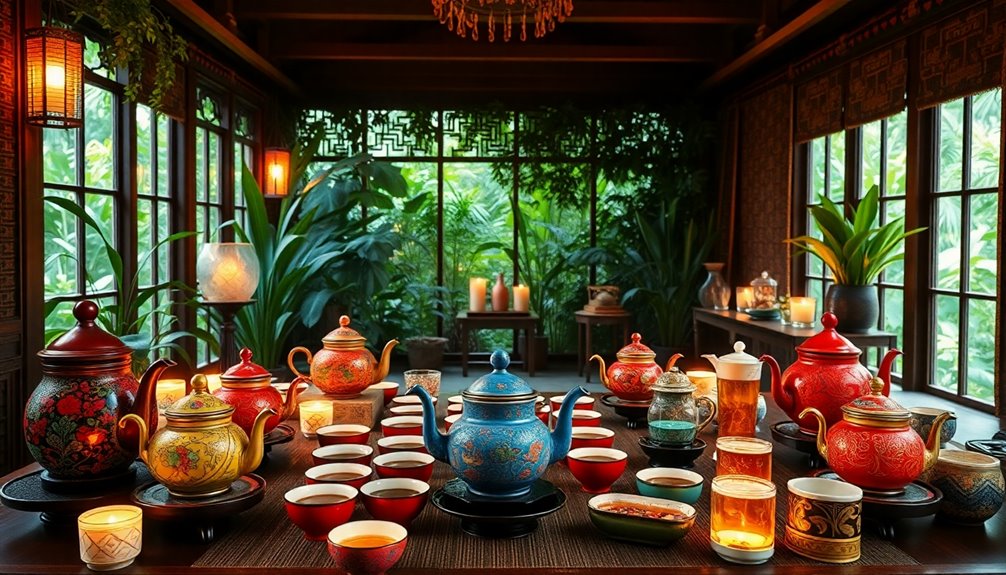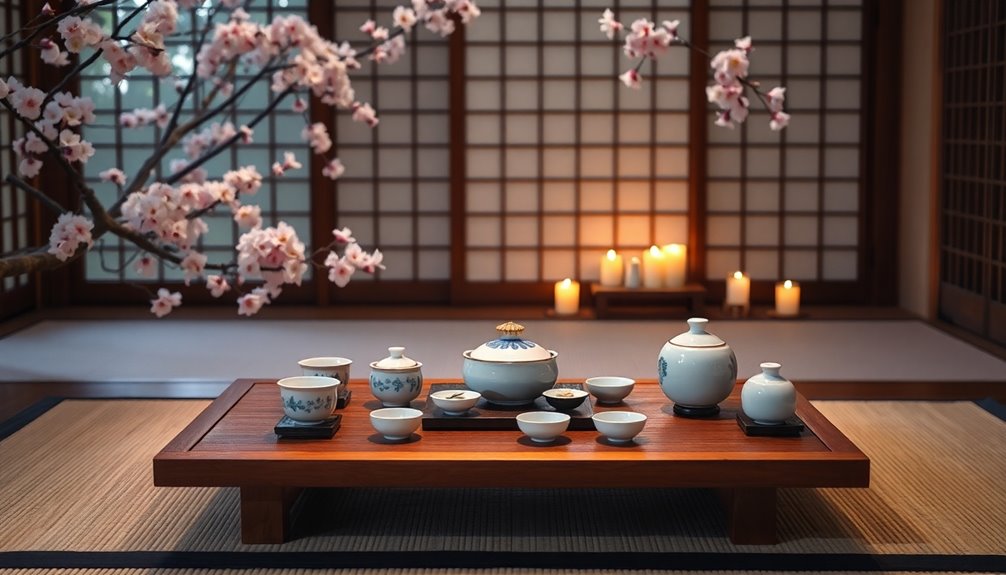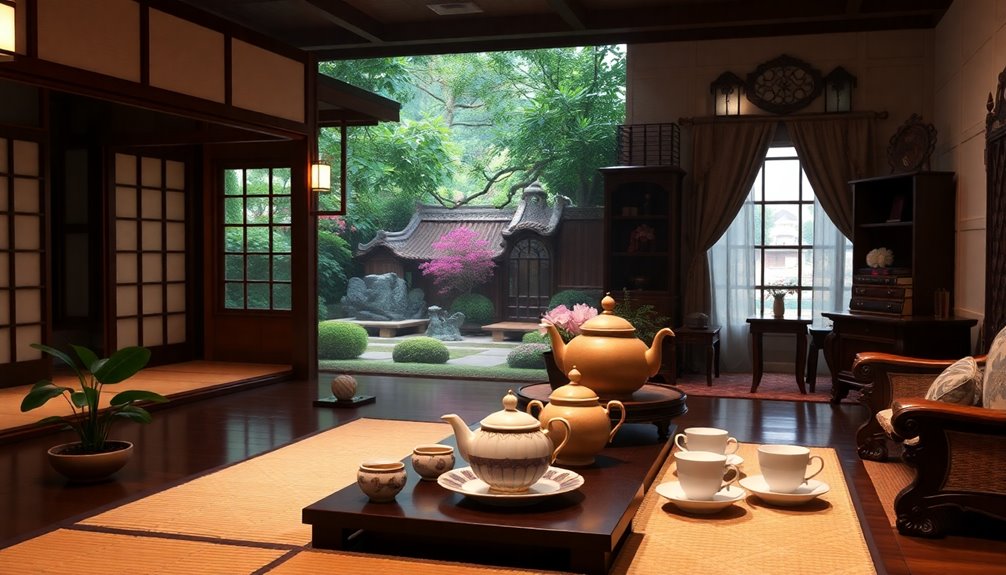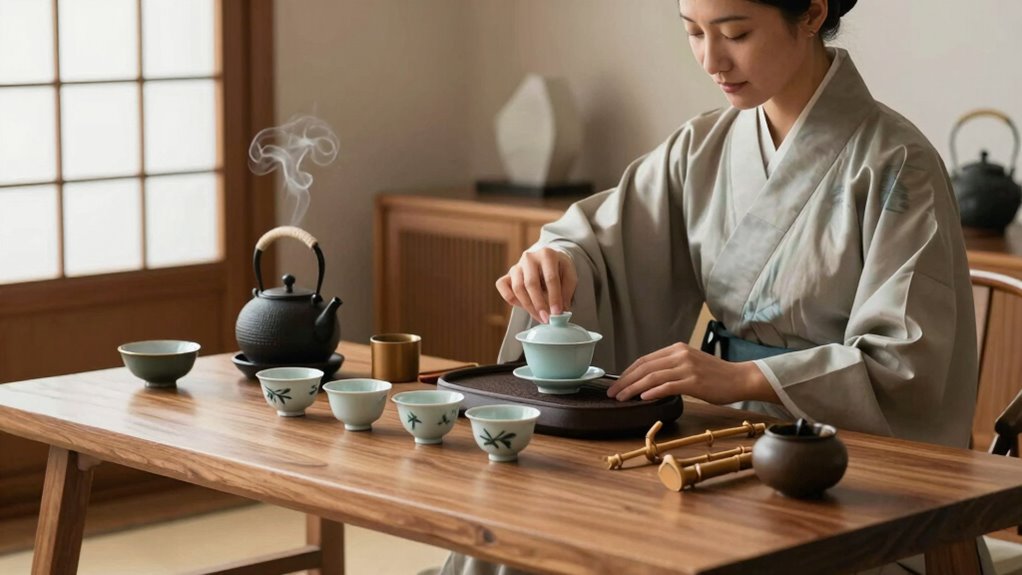
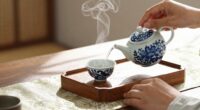
Tea ceremonies influence modern tea culture by weaving traditional rituals, etiquette, and aesthetic elements into everyday practices. As you incorporate mindful brewing, respectful gestures, and carefully chosen tools, you connect with centuries of cultural significance. Whether hosting gatherings or enjoying a simple cup alone, these customs foster mindfulness and appreciation. By embracing these timeless traditions, your tea experience becomes more meaningful and enriched. Keep exploring to discover how these influences shape contemporary tea enjoyment even further.

Get coffee and tea gear delivered free — and shop member deals
- Fast, free delivery on millions of items
- Access to Prime Big Deal Days deals on October 6–7
- Prime Video, Amazon Music and more included
Key Takeaways
- Tea ceremonies promote mindfulness and reverence, shaping contemporary practices that emphasize savoring and respect during tea moments.
- Traditional etiquette and gestures influence modern tea routines, fostering a sense of cultural connection and thoughtful presentation.
- Ceremonial tools and aesthetics enhance daily tea experiences, blending craftsmanship with personal style and deeper cultural appreciation.
- Incorporating ceremonial elements into everyday life encourages intentionality and preserves cultural heritage in modern settings.
- Social tea gatherings rooted in ceremony principles strengthen community bonds and emphasize shared mindfulness and respect.
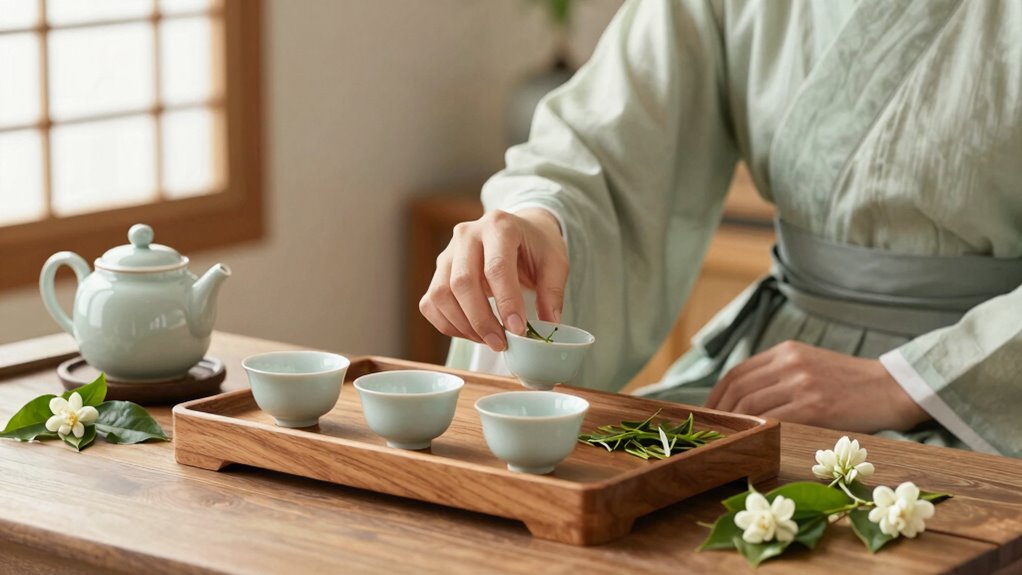
Tea ceremonies have long embodied tradition and mindfulness, but today’s tea culture is constantly evolving to blend age-old rituals with modern lifestyles. As you explore contemporary tea practices, you’ll notice how the influence of traditional ceremonies shapes your experience, even outside formal settings. Tea etiquette remains a core element, guiding how you prepare, serve, and enjoy your tea with respect and grace. Simple gestures—like holding the teacup correctly, pouring with deliberate care, or bowing slightly—connect you to centuries of cultural practice. These customs foster a sense of reverence and mindfulness, reminding you to savor each sip rather than rushing through the moment.
Ceremonial tools also play a significant role in modern tea culture, enriching your experience with tactile and aesthetic pleasure. Traditional tools such as the tea scoop, whisk, or tea bowl may be adapted to fit contemporary designs, but their purpose remains unchanged: to enhance the ritual and deepen your connection to the process. Using these tools with intention encourages you to slow down and appreciate the craftsmanship involved, transforming a simple act into a mindful ceremony. Whether you’re brewing matcha with a bamboo whisk or steeping loose-leaf tea in a glass teapot, these tools serve as tangible links to the history and philosophy behind tea. Additionally, cultural preservation plays a vital role in maintaining the significance of these tools and practices in modern contexts.
In today’s fast-paced world, many people incorporate elements of tea ceremonies into everyday routines. You might set aside a quiet moment in the morning to prepare your tea with care or create a dedicated space for mindful brewing. This integration helps preserve the essence of traditional tea etiquette, even in informal settings. You might also experiment with ceremonial tools, blending traditional aesthetics with modern design to suit your personal style. This fusion allows you to honor the ritual’s significance without feeling bound by strict rules.
Furthermore, the influence of tea ceremonies extends into social interactions. Hosting a tea gathering with friends can become a shared ritual that promotes connection and mindfulness. By emphasizing proper etiquette and thoughtful presentation, you create an environment where everyone can slow down and appreciate the moment. This modern interpretation of traditional ceremonies fosters a sense of community and respect, reinforcing the cultural value behind tea.
As an affiliate, we earn on qualifying purchases.
Frequently Asked Questions
How Have Tea Ceremonies Evolved Globally Over Centuries?
You see that tea ceremonies have evolved globally over centuries through historical influences and cultural variations. As you explore different regions, you notice how traditions adapt, blending local customs with ancient practices. Modern tea culture reflects these changes, embracing diversity and innovation. You can experience how historical influences shape contemporary rituals, making tea a universal symbol of connection, mindfulness, and cultural appreciation across the world.
What Are the Environmental Impacts of Traditional Tea Ceremonies?
You might notice that traditional tea ceremonies can impact the environment through waste and resource use. However, many hosts adopt sustainable practices by choosing eco-friendly utensils and minimizing waste. By using reusable tools and sourcing local, organic ingredients, you reduce your ecological footprint. Embracing these environmentally conscious approaches helps preserve the beauty of tea traditions while promoting a healthier planet for future generations.
How Do Different Cultures Interpret the Significance of Tea Ceremonies?
Different cultures interpret the significance of tea ceremonies through their unique cultural symbolism and ritual significance. You might see the Japanese tea ceremony emphasizing harmony, respect, and purity, while Chinese traditions highlight balance and social connection. In the West, tea ceremonies often serve as a calming ritual or social activity. Each culture’s interpretation shapes how you experience and appreciate tea, turning a simple drink into a meaningful cultural practice.
Are There Modern Adaptations of Traditional Tea Rituals?
Yes, there are modern adaptations of traditional tea rituals. You’ll find tea ritual modernization in contemporary tea practices that blend traditional elements with innovation. Baristas and tea enthusiasts incorporate new techniques, modern tools, and diverse flavors to create unique experiences. These adaptations make tea rituals more accessible and engaging, allowing you to appreciate the cultural significance while enjoying a personalized, contemporary approach to tea ceremonies.
How Do Tea Ceremonies Influence Contemporary Tea Branding and Marketing?
You’ll notice that 65% of tea brands incorporate traditional ceremony elements into their branding strategies, highlighting cultural authenticity. This influences your perception, making the experience more engaging. Tea companies use rituals and storytelling to create emotional connections, boosting consumer engagement. By embracing traditional tea ceremonies, brands differentiate themselves, evoke tradition, and foster loyalty, ultimately shaping modern tea marketing to appeal both to heritage aficionados and new consumers seeking authentic experiences.
Conclusion
As you embrace modern tea culture, you’ll find it’s like a delicate dance where tradition and innovation sway together. Tea ceremonies serve as roots that anchor your experience, while contemporary practices allow you to explore new flavors and rituals. By blending the old with the new, you create a rich tapestry of appreciation that deepens your connection to tea. Ultimately, these ceremonies are the gentle compass guiding you through a timeless journey of serenity and discovery.
Fall Picks
fall essentials
As an affiliate, we earn on qualifying purchases.