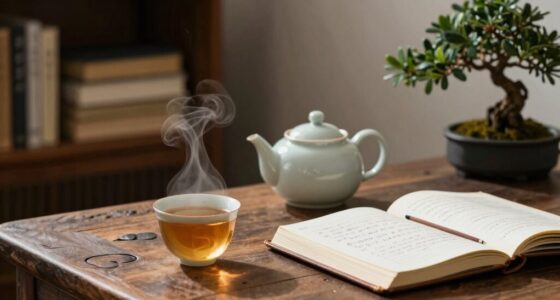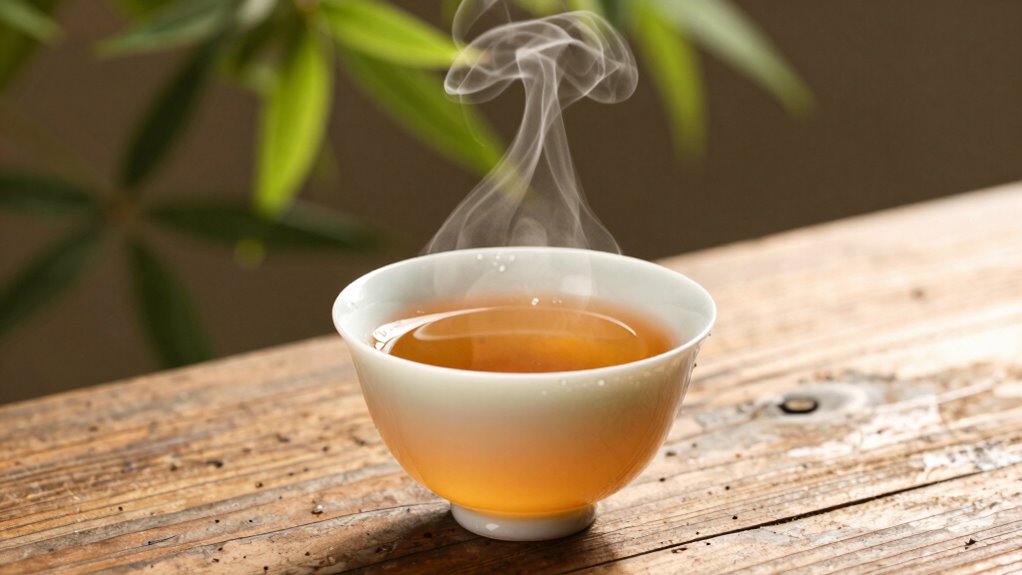

Many tea lovers miss how their rituals go beyond just taste and relaxation. They overlook how tea embodies deep philosophical principles like mindfulness, impermanence, and humility. By focusing solely on flavor, they might miss the chance to find a moment of reflection and presence. Engaging fully in the process can deepen your understanding of life’s cycles and interconnectedness. If you stay curious, you’ll discover the true depth and meaning tea can offer beyond its surface.

Get coffee and tea gear delivered free — and shop member deals
- Fast, free delivery on millions of items
- Access to Prime Big Deal Days deals on October 6–7
- Prime Video, Amazon Music and more included
Key Takeaways
- Many overlook the ritual’s role in fostering mindfulness and deep reflection beyond just enjoying the beverage.
- The symbolic virtues like patience and humility embedded in tea rituals are often underestimated.
- Cultural differences in tea practices reveal diverse philosophical insights that deepen appreciation.
- The act of preparing tea symbolizes life’s cycles, offering lessons in impermanence and interconnectedness.
- Tea is frequently seen as just a drink, missing its potential as a gateway to living mindfully and philosophically.
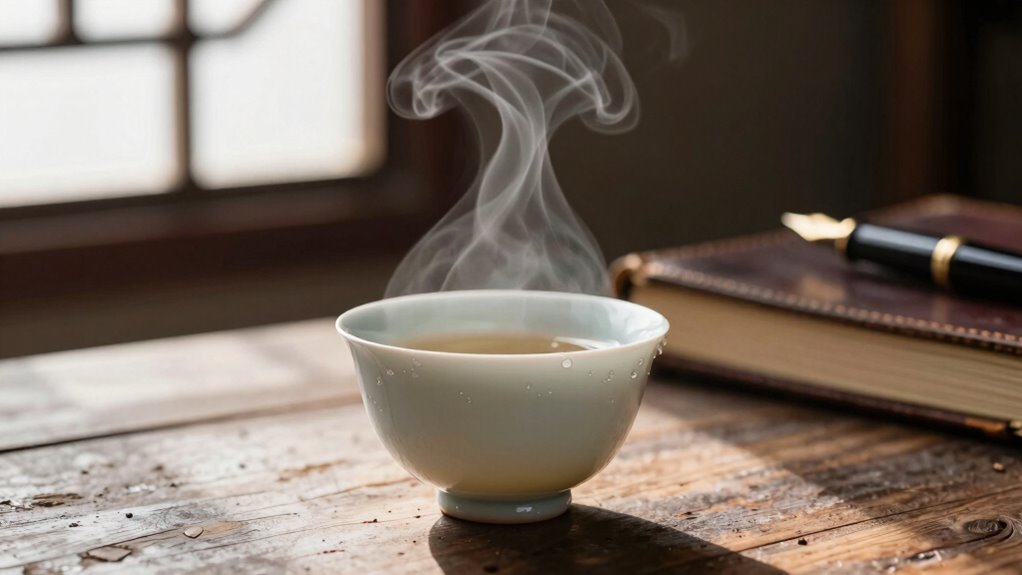
Have you ever noticed how a simple cup of tea can prompt deep reflection? It’s not just about the taste or the warmth; it’s about the ritual, the pause it creates in your day. Tea rituals aren’t merely routines—they’re gateways to mindfulness and presence. When you perform these rituals, whether it’s a traditional Japanese tea ceremony or a quiet moment with your favorite brew, you’re engaging in a practice that encourages philosophical reflection. But many tea lovers miss out on the true depth these rituals can offer beyond their surface. They see tea as just a beverage, not as a tool for introspection or a mirror to life’s bigger questions.
A simple tea moment invites mindfulness, reflection, and a deeper understanding of life’s impermanence and interconnectedness.
The act of preparing and drinking tea invites you to slow down. It’s an intentional act that pulls you away from the chaos of daily life, forcing you to focus on the present moment. This focus is where the philosophical reflection begins. You start contemplating the transient nature of life, the importance of mindfulness, or the interconnectedness of all things. Yet, many tea enthusiasts overlook how these reflections aren’t just abstract ideas—they’re practical insights that can shape your perspective. They see tea as comfort or tradition but miss the opportunity to connect with the deeper philosophical themes embedded in the ritual. Recognizing the interconnectedness of all things within tea rituals can deepen your understanding of your place in the world.
Furthermore, tea rituals symbolize more than just tradition—they embody principles like patience, humility, and acceptance. When you engage in these rituals, you’re practicing virtues that extend far beyond the teacup. But it’s easy to become complacent, enjoying the ritual without truly contemplating what it signifies. You might find comfort in the familiarity of pouring tea or the aesthetic beauty of a traditional teapot, but overlook how these acts mirror life’s ongoing cycles—growth, decay, renewal. This oversight prevents you from experiencing the full philosophical reflection that tea can inspire. Paying attention to the tools and gadgets used in tea preparation can enhance mindfulness and ritual, encouraging a more intentional practice that deepens your philosophical engagement. Additionally, understanding the cultural significance of tea ceremonies can open your eyes to the diverse ways different societies interpret these rituals, enriching your appreciation and insight.
In essence, what many tea lovers miss is that tea isn’t just about flavor; it’s about a mindset. It’s about cultivating awareness, appreciating impermanence, and embracing simplicity. Recognizing these aspects can foster a mindful approach to life, emphasizing presence over haste. These lessons are woven into every sip and ritual but often go unnoticed when you focus solely on the sensory experience. If you open your eyes to these deeper aspects, tea transforms from a casual beverage into a profound practice—a daily reminder to reflect philosophically on your life and the world around you.
As an affiliate, we earn on qualifying purchases.
Frequently Asked Questions
How Does Tea Influence Philosophical Thinking Across Different Cultures?
Tea influences your philosophical thinking by embodying Tea symbolism and fostering cultural mindfulness. Across cultures, it encourages reflection, patience, and harmony, shaping perspectives on life and existence. When you partake in tea rituals, you connect with centuries of tradition, deepening your understanding of cultural values. This shared experience cultivates mindfulness, reminding you to appreciate the present moment and embrace diverse philosophies rooted in the simple yet profound act of tea drinking.
Can Tea Rituals Enhance Mindfulness and Philosophical Reflection?
Yes, tea rituals can gently foster mindfulness and philosophical reflection. As you engage in ritualistic mindfulness, you create a serene space where each sip becomes a moment of quiet contemplation. The deliberate steps of preparing and sharing tea allow your mind to settle, encouraging deep thought and presence. This mindful ritual not only elevates your appreciation but also nurtures your inner dialogue, enriching your understanding of life’s subtleties.
What Are the Historical Connections Between Tea Consumption and Philosophical Movements?
You’ll find that tea has deep historical links to philosophical movements, blending Tea and spirituality with cultural symbolism. In ancient China, tea was integral to Zen Buddhism, promoting mindfulness and serenity. Similarly, in Japan, the tea ceremony embodies aesthetic and spiritual ideals rooted in Zen philosophy. Throughout history, tea’s role in fostering reflection and spiritual connection highlights its significance in shaping philosophical thought across cultures.
How Do Tea Flavors Symbolize Philosophical Concepts?
Like the whispers of Zen gardens, tea flavors symbolize deep philosophical ideas. The tea aroma reflects serenity and mindfulness, while flavor complexity mirrors life’s nuanced nature. A delicate, subtle brew alludes to simplicity and clarity, akin to Stoic ideals. In contrast, bold, layered teas evoke the richness of existential thought. You see, each sip encapsulates a worldview, inviting you to ponder life’s mysteries through the sensory tapestry of tea.
Is There a Philosophical Significance to Tea Preparation Techniques?
Yes, there’s philosophical significance to tea preparation techniques. During a tea ceremony, you practice mindful brewing, which emphasizes presence and mindfulness. This process reflects principles of Zen, encouraging you to focus on each step, embracing simplicity and harmony. By doing so, you cultivate patience, humility, and respect. The art of preparation becomes a meditation, helping you connect deeply with the moment and appreciate the beauty in everyday routines.
Conclusion
You might find that the true essence of tea isn’t just in its taste or aroma but in its philosophical depth. Some argue that the act of brewing and savoring tea embodies mindfulness, fostering a sense of presence and clarity. While science supports the calming effects of tea, it’s also worth considering that this ritual cultivates a quiet reflection on life’s simple truths. Embrace tea not only as a beverage but as a pathway to deeper understanding.
Fall Picks
fall essentials
As an affiliate, we earn on qualifying purchases.