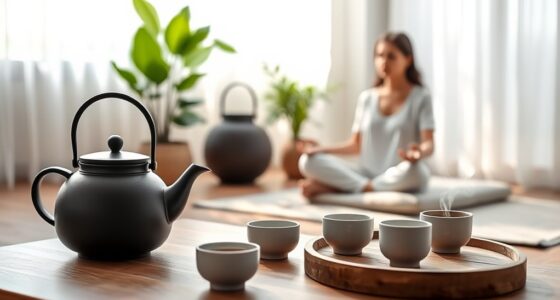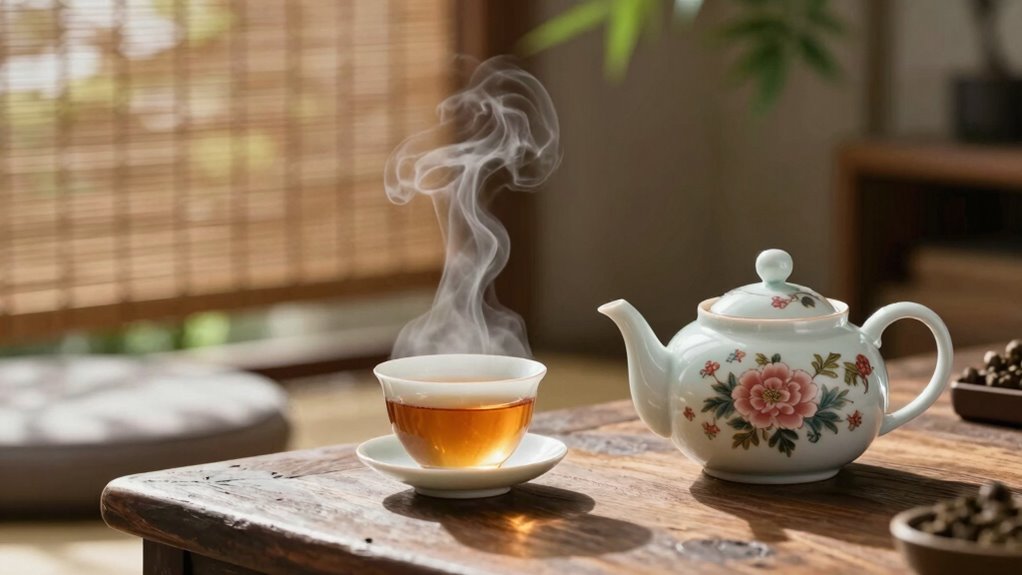
Tea and meditation are deeply connected through mindful rituals that promote presence, calmness, and clarity. When you engage in tea ceremonies, you focus on each deliberate movement, sound, and sip, which anchors your senses and quiets your mind. Rooted in centuries-old traditions from cultures like Japan and China, these practices teach you to slow down and embrace each moment. Keep exploring to uncover how these timeless customs can transform your daily well-being and inner peace.

Get coffee and tea gear delivered free — and shop member deals
- Fast, free delivery on millions of items
- Access to Prime Big Deal Days deals on October 6–7
- Prime Video, Amazon Music and more included
Key Takeaways
- Tea ceremonies serve as mindful rituals that cultivate present-moment awareness and inner calm.
- Cultural traditions like Japanese and Chinese tea practices emphasize harmony, respect, and tranquility.
- Incorporating sensory elements of tea enhances focus, reduces stress, and deepens meditation.
- Regular tea rituals promote habitual mindfulness, supporting mental clarity and emotional resilience.
- The physical and wellness benefits of mindful tea practices contribute to overall relaxation and holistic health.
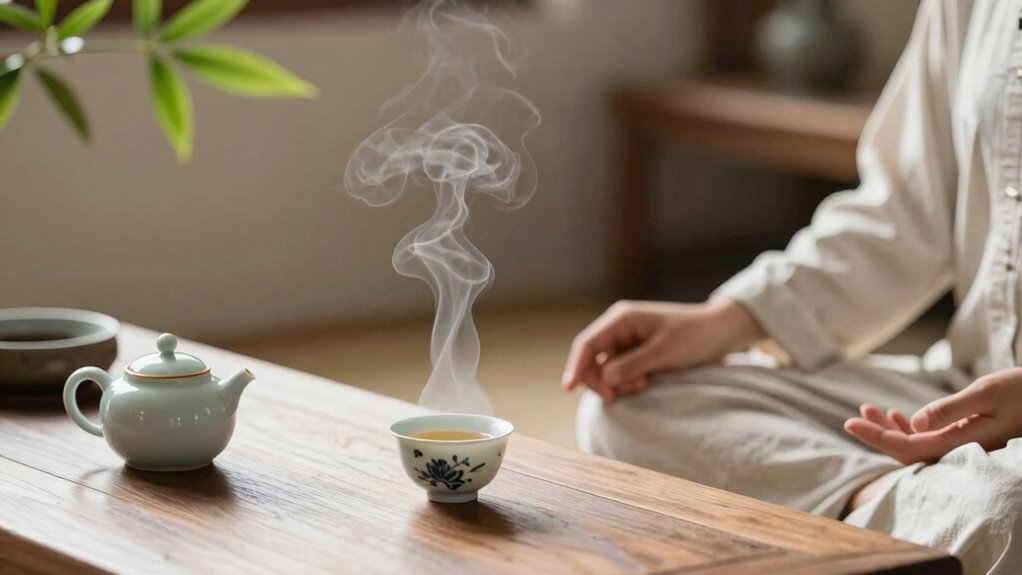
Many people believe that tea and meditation are simply calming rituals, but their connection runs deeper than that. When you participate in tea ceremonies, you’re engaging in a mindful practice that promotes presence and awareness. These ceremonies aren’t just about drinking tea; they’re about creating a space where every movement, sound, and breath becomes intentional. As you carefully prepare and sip your tea, you’re practicing mindfulness practices that help you anchor yourself in the present moment. This focused attention can calm your mind, reduce stress, and foster a sense of clarity that extends beyond the ritual itself.
Participating in tea ceremonies cultivates mindfulness, anchoring you in the present and fostering calmness beyond the ritual.
Tea ceremonies have roots that stretch back centuries, especially within cultures like Japan and China, where they evolved into sophisticated practices that emphasize harmony, respect, and tranquility. When you step into a tea ceremony, you’re encouraged to slow down and savor each step—boiling water, whisking matcha, pouring the tea—each act becoming an opportunity to cultivate awareness. This deliberate pace allows your mind to settle, similar to meditation, creating a space for reflection and inner stillness. The ritualistic nature of these ceremonies helps you develop a habit of mindfulness, turning everyday actions into moments of meditation. Incorporating cultural traditions into your practice can deepen your understanding and appreciation of these mindful rituals.
The connection between tea and meditation lies in their shared emphasis on intentionality. Both practices teach you to focus on the present, to observe your thoughts without judgment, and to accept the experience as it unfolds. When you incorporate tea into your mindfulness practices, you’re blending sensory awareness with a calming ritual. The warmth of the cup, the aroma of the tea, the taste on your tongue—all become anchors for your attention. This sensory engagement helps quiet mental chatter and fosters a sense of peaceful detachment from worries or distractions.
Over time, these mindfulness practices centered around tea can deepen your meditation. Instead of seeking a fleeting escape from stress, you learn to cultivate a steady, grounded awareness that persists through daily life. The quiet act of preparing and drinking tea becomes a form of meditation that you can carry with you everywhere. You develop a habit of pausing, breathing, and being present, which enhances your overall mental clarity and emotional resilience. In sum, tea ceremonies and mindfulness practices are powerful tools that help you connect more deeply with yourself and the world around you, transforming simple rituals into meaningful pathways for inner peace.
Engaging in mindfulness practices during tea ceremonies can also positively impact your physical recovery and overall wellness by promoting relaxation and reducing tension in the body.
As an affiliate, we earn on qualifying purchases.
Frequently Asked Questions
How Does Tea Influence Meditation Practices Across Different Cultures?
Tea influences meditation practices across cultures by serving as a calming ritual, fostering focus, and creating a peaceful atmosphere. You participate in tea rituals that symbolize mindfulness, patience, and harmony, which deepen your meditative experience. In many cultures, tea’s cultural symbolism enhances your connection to tradition and spirituality, making it an integral part of meditation. This shared practice helps you cultivate tranquility, clarity, and a sense of unity during your meditation sessions.
Are Specific Types of Tea Better for Enhancing Meditation?
Sure, some teas are obviously better for meditation—herbal blends like chamomile or lavender soothe your mind, while caffeinated brews might make your nerves dance a little too much. If you want calm, stick to herbal teas; if you need a wake-up call, caffeinated brews can energize your practice. Ultimately, choose what helps you focus, but don’t expect your espresso to become a Zen master overnight.
What Are the Health Benefits of Combining Tea With Meditation?
Combining tea with meditation enhances your mindfulness practices and offers numerous health benefits. Tea rituals help you focus and relax, deepening your meditation experience. The antioxidants in tea boost your immune system and reduce stress, while the calming effects promote mental clarity. This practice encourages you to stay present, improves emotional balance, and supports overall well-being. Integrating tea into your routine makes your mindfulness practices more enjoyable and beneficial.
Can Tea Consumption Interfere With Meditation Focus?
Tea consumption can sometimes gently sway your meditation focus, especially if it’s high in caffeine effects. The ritual significance of tea might help deepen your practice, but if you’re sensitive to caffeine, it could lead to restlessness or distraction. To maintain clarity, opt for decaffeinated tea or herbal infusions. This way, you preserve the calming ritual while minimizing any interference, allowing your meditation to remain centered and peaceful.
How Do Personal Preferences Affect Tea and Meditation Routines?
Your personal taste considerably influences your tea and meditation routines, shaping what types of tea you prefer and how you incorporate them. If you enjoy a calming herbal blend, it can enhance your focus, but if you dislike the taste, it might distract you. Routine consistency is key; sticking to familiar flavors and timings helps create a calming habit, making your meditation more effective and enjoyable over time.
Conclusion
So, savor the simple serenity of sipping and sitting. Tea and meditation, tied together through tradition and tranquility, teach you to take time, tune in, and transform tension into tranquility. As you embrace this timeless tandem, remember: patience and presence pave the path to peacefulness. Let each leisurely sip and silent sit serve as a soothing reminder — serenity is a state you steadily shape, one mindful moment at a time.
Fall Picks
fall essentials
As an affiliate, we earn on qualifying purchases.