Taiwanese tea offers numerous health benefits thanks to its carefully cultivated leaves rich in antioxidants and polyphenols. When brewed properly, it helps support heart health, reduce inflammation, and improve overall well-being. Techniques like short infusions in Gong Fu style maximize nutrient extraction and bioavailability, while mindfulness during preparation enhances its wellness effects. If you want to explore more about how traditional methods reveal these benefits, keep exploring below.
Key Takeaways
- Taiwanese tea’s nutrient-rich leaves contain antioxidants and polyphenols that support heart health and reduce inflammation.
- Proper brewing techniques preserve bioactive compounds, maximizing their health benefits and nutrient bioavailability.
- Multiple short infusions in Gong Fu style release diverse antioxidants and enhance overall health-promoting properties.
- Mindful preparation and traditional rituals boost the tea’s wellness effects and promote a calming, health-conscious routine.
- Integrating Taiwanese tea into daily habits naturally supports overall well-being through its rich flavor and health-promoting compounds.

Taiwanese tea is renowned not only for its rich flavor and cultural significance but also for its impressive health benefits. Whether you’re a seasoned tea drinker or just beginning to explore, understanding how tea cultivation and tea brewing techniques influence these benefits can enhance your experience. The journey starts with how the tea is cultivated; Taiwan’s unique climate and meticulous farming practices produce leaves rich in antioxidants and polyphenols. These compounds are responsible for many health perks, including improved heart health, reduced inflammation, and even better digestion. When you choose high-quality Taiwanese tea, you’re selecting leaves that have been carefully grown and harvested to preserve these essential nutrients.
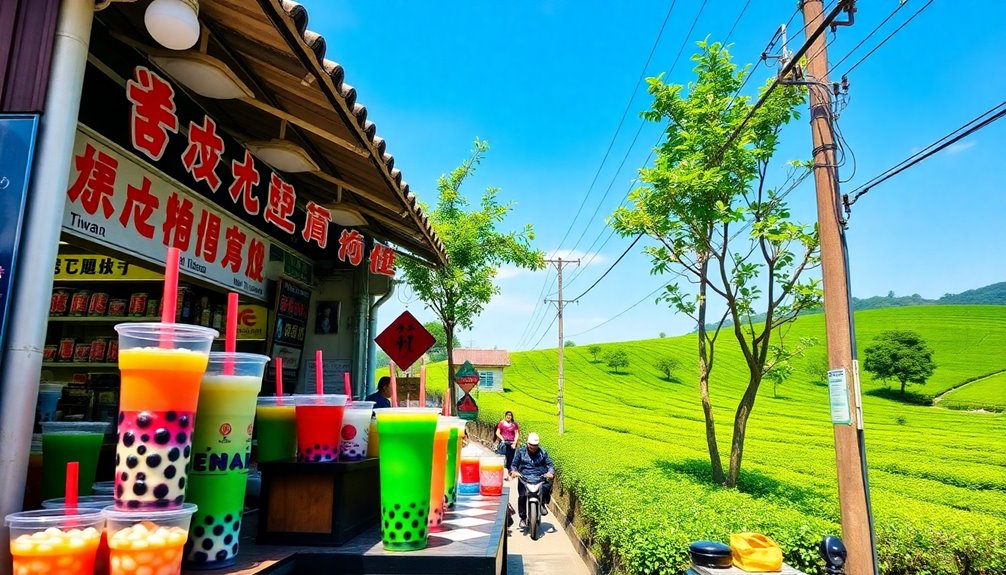
Taiwanese tea’s rich flavor and health benefits stem from careful cultivation and harvesting practices.
Once the tea leaves are harvested, the way you brew your tea plays a pivotal role in revealing its health potential. Traditional Taiwanese tea brewing techniques emphasize precision and patience, guaranteeing you extract the maximum flavor and health benefits from each cup. For example, using the right water temperature—usually just below boiling—helps preserve delicate antioxidants without damaging the leaves. Steeping time is also essential; a shorter steeping period might retain more of the fresh, vibrant compounds, while longer steeping can intensify flavor but may introduce bitterness. By paying attention to these details, you guarantee that your tea maintains its nutritional integrity, boosting its ability to support your overall well-being.
Furthermore, the method of brewing influences the bioavailability of beneficial compounds. Gung fu style brewing, often used with Taiwanese oolongs and high-mountain teas, involves multiple short infusions. This technique not only allows you to enjoy the evolving flavors but also helps release different beneficial compounds with each steep. As you master these methods, you’re effectively maximizing the tea’s health benefits, from antioxidants that combat free radicals to catechins that may support weight management. You’ll notice that the ritual of brewing—using fresh, filtered water and precise timing—becomes more than just a daily routine; it turns into a mindful practice that amplifies your health.
Incorporating Taiwanese tea into your daily routine through mindful tea cultivation awareness and skillful brewing can greatly enhance its health-promoting properties. You’re not just drinking a beverage; you’re engaging in a tradition designed to boost your health naturally. By respecting the art of tea cultivation and perfecting your brewing techniques, you unlock a powerful combination of flavor and wellness that’s rooted in centuries of Taiwanese expertise. This approach guarantees that each sip delivers maximum benefits, helping you enjoy the full spectrum of health perks that Taiwanese tea has to offer.
Top picks for "health benefit taiwanese"
Open Amazon search results for this keyword.
As an affiliate, we earn on qualifying purchases.
Frequently Asked Questions
Are There Any Side Effects From Drinking Taiwanese Tea Regularly?
Drinking Taiwanese tea regularly can lead to some side effects. You might develop caffeine dependence, causing sleep issues or jitters if you consume too much. Also, the tea’s compounds could interfere with nutrient absorption, potentially leading to deficiencies over time. To enjoy the benefits without risks, it’s best to moderate your intake and pay attention to how your body responds to this flavorful beverage.
How Does Taiwanese Tea Compare to Other Green or Black Teas?
You’ll find Taiwanese tea offers a unique flavor profile with a rich, floral aroma that sets it apart from other green or black teas. Its antioxidant content is often higher due to the specific growing conditions and processing methods used locally. Compared to other teas, Taiwanese varieties tend to be more vibrant and complex, providing a delightful sensory experience while delivering health benefits similar to other high-quality teas.
Can Taiwanese Tea Help With Weight Loss Efforts?
You might find Taiwanese tea helpful for weight loss, as studies suggest it can boost your metabolism by up to 10%. The tea’s natural compounds promote a metabolic boost and help suppress your appetite, making it easier to stick to your diet. Incorporating Taiwanese tea into your routine could support your efforts to shed pounds, especially when combined with a balanced diet and regular exercise.
What Is the Best Way to Brew Taiwanese Tea for Health Benefits?
To maximize health benefits, you should focus on proper tea steeping and water temperature. Start by using fresh, filtered water heated to the right temperature—around 80-85°C (175-185°F) for green or oolong Taiwanese teas. Steep the tea leaves for about 2-3 minutes, adjusting based on your taste. This careful process preserves antioxidants and enhances flavor, ensuring you get the most health benefits from your Taiwanese tea.
Is Taiwanese Tea Suitable for People With Caffeine Sensitivities?
Like a gentle breeze, Taiwanese tea can be soothing, but if you’re sensitive to caffeine, it’s not the best choice. You might find the caffeine content in traditional varieties too stimulating, causing jitters or sleep issues. Instead, consider alternative options like herbal teas or decaffeinated Taiwanese teas, which offer the rich flavors without the caffeine kick. Always verify labels to guarantee you’re selecting the right caffeine-free or low-caffeine options.
Conclusion
Enjoying Taiwanese tea isn’t just a delightful ritual; it’s a boost for your health too. Studies show that regular tea drinkers have a 20% lower risk of heart disease, proving how this ancient beverage supports your well-being. By incorporating Taiwanese tea into your routine, you’re not only savoring its rich flavors but also giving your body a powerful dose of antioxidants and health benefits. So, next time you sip, remember you’re doing something good for yourself!