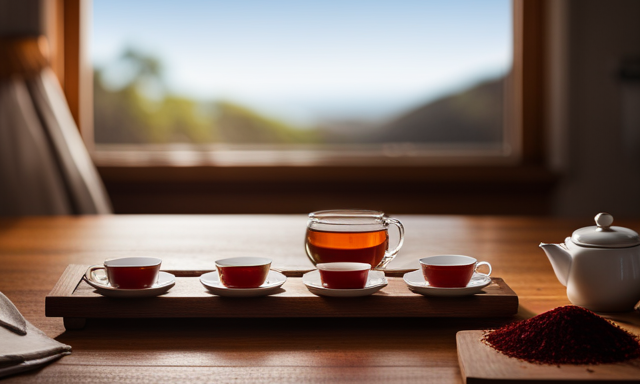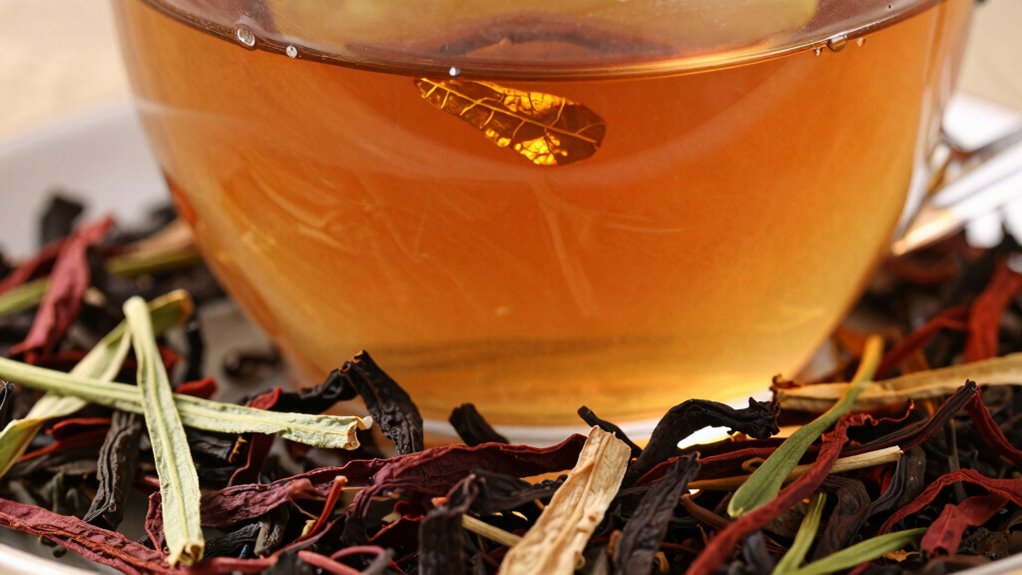

Rooibos tea deserves a closer look because it’s a caffeine-free, naturally sweet herbal infusion packed with antioxidants that support your health. It helps combat inflammation, promotes relaxation, and boosts your immune defenses—all without stimulants. Its rich mineral content, including calcium and magnesium, supports bone and muscle health. Plus, its calming properties may improve sleep and reduce stress. Keep exploring to discover how incorporating rooibos can enhance your well-being in simple, delicious ways.

Get coffee and tea gear delivered free with Prime
- Fast, free delivery on millions of items
- Prime Video, Amazon Music and more included
- Member-only deals all year
Key Takeaways
- Rooibos is caffeine-free, making it a calming, healthy beverage for anytime consumption.
- Rich in antioxidants like aspalathin and nothofagin, it helps combat oxidative stress and aging.
- Supports mental relaxation, reduces stress, and promotes better sleep with its soothing properties.
- Contains essential minerals such as calcium, magnesium, and manganese, benefiting bone and muscle health.
- Its versatile health benefits include cellular protection, inflammation reduction, and overall wellness support.
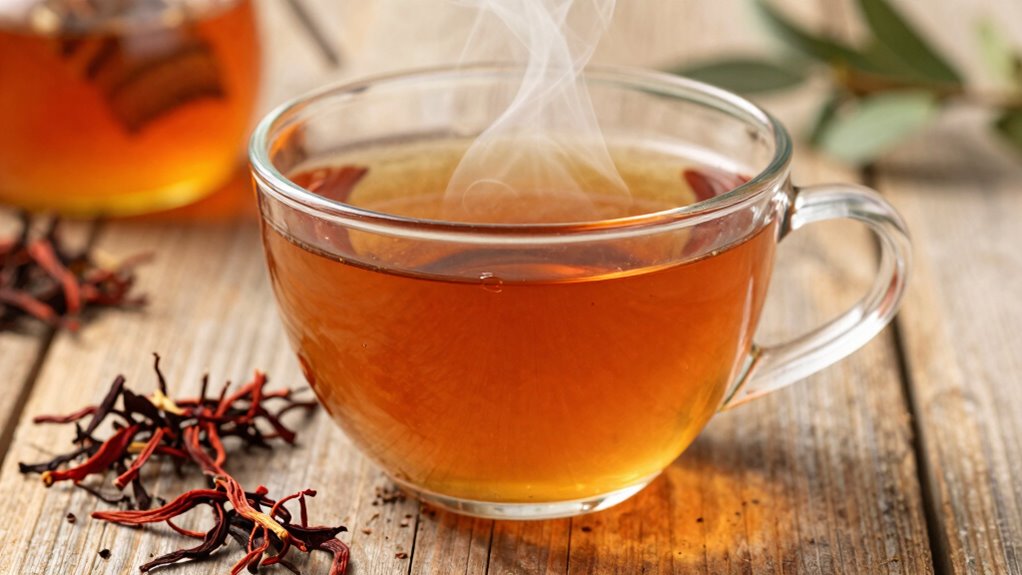
Have you ever wondered why rooibos tea has gained such popularity among health enthusiasts? It’s because this herbal infusion offers more than just a soothing taste—it’s packed with benefits that can support your overall well-being. Unlike traditional teas, rooibos is caffeine-free, making it an ideal choice if you’re looking to cut back on stimulants or enjoy a calming beverage at any time of day. Its naturally sweet, nutty flavor appeals to many, but it’s the health perks underneath that truly set it apart.
One of the most compelling reasons to contemplate incorporating rooibos into your routine is its impressive antioxidant properties. These antioxidants work to neutralize free radicals in your body, which are unstable molecules that can damage cells and contribute to aging and disease. Regularly drinking rooibos can help bolster your body’s defenses against oxidative stress, potentially reducing the risk of chronic illnesses such as heart disease and certain cancers. The antioxidants found in rooibos, including aspalathin and nothofagin, are unique to this herbal infusion and have been studied for their ability to combat inflammation and protect cells from damage.
Rooibos antioxidants help neutralize free radicals, reducing aging and disease risks.
Beyond its antioxidant content, rooibos is celebrated for its calming effects. As a natural, caffeine-free herbal infusion, it won’t interfere with your sleep or cause jitters. Many people find that it helps to soothe the nervous system, reduce stress, and promote relaxation. If you struggle with anxiety or difficulty winding down at night, a cup of rooibos can serve as a comforting ritual that supports mental clarity and emotional balance. The calming effects of herbal infusions are well-documented and contribute to its popularity as a bedtime beverage. Furthermore, recent studies suggest that the mineral content of rooibos can also aid in supporting overall health and wellness. Including rooibos in your diet can also be a beneficial way to enhance your nutrient intake, especially if your diet is lacking in certain minerals.
Additionally, rooibos contains minerals such as calcium, manganese, and magnesium, which contribute to bone health and muscle function. Unlike some other herbal teas, its mineral profile can replenish your body’s nutrient levels, making it a nourishing choice during your daily hydration. Its low tannin content also means it won’t interfere with iron absorption, a common concern with other teas, so you can enjoy it without worry. Furthermore, research shows that antioxidants in rooibos can help protect your cells from oxidative damage, adding to its health appeal.
In essence, rooibos is a versatile herbal infusion that combines delightful flavor with potent health benefits. Its antioxidant properties help protect your body at a cellular level, while its calming effects support mental wellness. Whether you’re seeking a caffeine-free alternative or a natural way to boost your health, rooibos deserves a closer look. Incorporating it into your daily routine might just be the simple, effective step your body needs for better health and relaxation.
Products Worth Considering

Vitamix 5200 Professional-Grade Blender, 64 oz. Container, Black

De'Longhi Rivelia Fully Automatic Espresso Machine with Milk Frother, White

Ninja Professional XL 12-Cup Food Processor, 1200-Peak-Watt, NF701
As an affiliate, we earn on qualifying purchases.
Frequently Asked Questions
Is Rooibos Tea Suitable for Children and Pregnant Women?
Yes, rooibos tea is suitable for children and pregnant women, as it’s naturally caffeine-free and gentle. You can confidently include it in children’s diets, knowing it’s safe for their safety, and enjoy its pregnancy benefits, such as antioxidants and soothing properties. However, it’s always best to consult your healthcare provider for personalized advice, especially during pregnancy, to guarantee it aligns with your individual health needs.
Can Rooibos Tea Help With Specific Health Conditions?
You might be surprised to discover that rooibos tea offers impressive health benefits, especially for specific conditions. Its high antioxidant properties help combat oxidative stress, potentially easing inflammation or supporting cardiovascular health. While not a miracle cure, regular consumption could aid in managing certain health issues. Don’t overlook this natural remedy—its powerful antioxidants might just make a difference in your wellness journey.
How Does Rooibos Tea Compare to Green or Black Tea?
You’ll find that rooibos tea has a naturally sweet, nutty flavor profile, which sets it apart from the more grassy taste of green tea or the boldness of black tea. Plus, it’s caffeine-free, making it a great choice if you want a warm drink without the jitters. While green and black teas contain caffeine, rooibos provides a soothing, caffeine-free alternative with unique flavor nuances.
Are There Any Potential Side Effects of Drinking Rooibos Regularly?
Drinking rooibos tea is generally safe, but you should watch for potential allergic reactions, like itching or swelling. It’s caffeine-free, so it’s a good choice if you’re sensitive to caffeine or want to avoid it. However, if you have allergies to plants in the Fabaceae family, consult your doctor first. Overall, enjoy rooibos in moderation, and you’ll likely experience its benefits without many side effects.
What Is the Best Way to Brew Rooibos Tea for Maximum Benefits?
To maximize benefits, you should use quality rooibos, steep it in boiling water for about 5-7 minutes, and cover the cup to enhance flavor extraction. This brewing technique boosts flavor enhancement and preserves antioxidants. For a richer taste, try adding a touch of honey or a cinnamon stick. Avoid over-steeping, which can make the tea bitter. Proper brewing guarantees you enjoy its full health benefits and delightful flavor.
Conclusion
Just like the secret garden hidden away from plain sight, rooibos tea offers a world of untapped health benefits waiting to be discovered. By embracing this vibrant, antioxidant-rich drink, you invite a sense of calm and energy into your daily routine. Don’t let its humble appearance fool you—rooibos is a treasure chest of wellness, whispering promises of better health and serenity. Take a closer look; your future self will thank you.