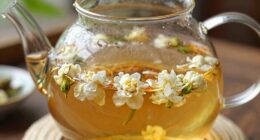
Oolong tea deserves a closer look because of its complex flavors, crafted through unique, traditional processing techniques that highlight terroir and oxidation control. You’ll notice floral, fruity, and roasted notes that change with each sip. Its rich cultural heritage and expert craftsmanship make every cup a unique experience. By exploring oolong, you tap into a world of nuanced tastes and artistry. Keep exploring, and you’ll uncover even more about its fascinating history and precision.

Get coffee and tea gear delivered free — and shop member deals
- Fast, free delivery on millions of items
- Access to Prime Big Deal Days deals on October 6–7
- Prime Video, Amazon Music and more included
Key Takeaways
- Its unique partial oxidation process creates complex, layered flavors not found in green or black teas.
- Traditional cultivation and processing techniques preserve authentic flavors and cultural heritage.
- Grown in diverse terroirs, offering subtle mineral notes and distinct regional characteristics.
- Precise oxidation control ensures consistent quality and a wide range of flavor profiles.
- Drinking oolong provides a rich sensory experience reflecting craftsmanship and centuries of tradition.

Oolong tea often goes unnoticed amid more popular varieties like green and black teas, but it truly deserves a closer look. One reason is its unique approach to tea cultivation. Unlike green or black teas, which undergo minimal or complete oxidation respectively, oolong falls somewhere in between, typically oxidized around 30-70%. This partial oxidation process requires careful attention during tea cultivation. The tea leaves are harvested at specific times, often in early spring or late winter, to guarantee the right balance of nutrients. Skilled farmers handpick the tea leaves, then withering and bruising them gently to initiate oxidation. This meticulous process influences the flavor profiles that make oolong so distinctive, offering a complex blend of floral, fruity, and roasted notes that change with each step of processing. The oxidation level is a key factor in shaping its unique taste and aroma. Additionally, the oxidation process is closely monitored and controlled to ensure consistency and quality in each batch. Proper oxidation control is essential to maintaining the desired flavor balance and overall quality of the tea. The precise control of oxidation levels is often achieved through traditional methods that have been refined over generations. These methods often involve traditional processing techniques that contribute to the tea’s complexity and character.
Oolong’s unique partial oxidation creates complex floral, fruity, and roasted flavors through careful, skilled cultivation.
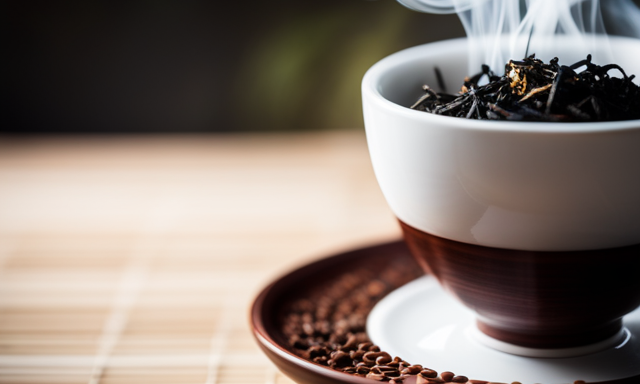
When you explore oolong’s flavor profiles, you’ll notice how versatile it can be. Some varieties, like Tie Guan Yin, boast a delicate floral aroma reminiscent of orchids, while others, such as Da Hong Pao, carry a richer, roasted character with hints of stone fruit or caramel. These flavor nuances are achieved through specific cultivation techniques and processing methods, making each type of oolong a unique experience. The partial oxidation level allows for a broader spectrum of tastes compared to green or black teas, giving you the chance to discover new layers in every cup. Whether you prefer a light, airy brew or a more robust, toasted flavor, oolong can cater to your palate.
Additionally, the cultivation environment plays a vital role in shaping its flavor profiles. Tea farms situated on misty mountains or near mineral-rich soils impart subtle mineral notes and freshness to the leaves. The climate and altitude influence the tea plants’ growth cycle, resulting in diverse taste characteristics even within the same variety. This means that, as you explore different oolongs, you’ll appreciate how terroir impacts flavor just like in wine. The unique cultivation methods further enhance the distinctiveness of each oolong, emphasizing the importance of terroir and traditional techniques. These methods often involve age-old practices that have been passed down through generations, ensuring the preservation of their unique qualities. Recognizing the traditional techniques used in oolong cultivation helps appreciate the cultural heritage embedded in each cup.
In short, when you explore oolong tea, you’re not just tasting another brew—you’re experiencing the result of precise cultivation, expert craftsmanship, and a fascinating spectrum of flavors. Its complexity, stemming from unique tea cultivation methods and varied flavor profiles, invites you to appreciate the artistry behind each cup. Oolong’s nuanced taste and rich heritage make it a compelling choice for anyone enthusiastic to expand their tea horizons.
As an affiliate, we earn on qualifying purchases.
Frequently Asked Questions
How Does Oolong Tea Compare to Green and Black Teas Nutritionally?
Oolong tea offers a unique blend of nutrition compared to green and black teas. It contains a rich amount of tea antioxidants, which help fight free radicals. Its flavor profiles are more complex, combining grassy and toasty notes. Nutritionally, oolong falls between green and black teas, providing a balanced mix of catechins and theaflavins. You get a versatile beverage that supports health while delighting your senses.
Are There Any Health Risks Associated With Drinking Oolong Tea Regularly?
Drinking oolong tea regularly is generally safe, but watch out for potential health risks. If you have a tea allergy, consuming it could trigger reactions like itching or swelling. Also, oolong tea contains tannins that may inhibit iron absorption, which could be a concern if you have iron deficiency. Moderation is key, and if you notice adverse effects, consult a healthcare professional.
What Are the Best Brewing Methods to Maximize Flavor?
To open luscious layers of flavor, follow precise brewing practices. Start by selecting a quality tea infusion, then control the temperature to gently coax out the best taste—typically around 190-200°F. Steep for 3-5 minutes to balance boldness and brightness. Use a gentle pour, savoring the aroma, and adjust steeping time for a personalized punch. Perfecting these steps transforms your oolong into a mesmerizing, calming cup.
Can Oolong Tea Aid in Weight Management Effectively?
Yes, oolong tea can aid in weight management effectively. It boosts your metabolism, helping your body burn calories faster, and suppresses your appetite, making it easier to resist overeating. Drinking oolong tea regularly can complement your diet and exercise efforts. Just remember, it’s not a miracle solution but a helpful addition to a balanced lifestyle focused on healthy choices and consistent activity.
Is Oolong Tea Suitable for People With Caffeine Sensitivity?
If you’re caffeine-sensitive, oolong tea might still suit you, but it depends on your caffeine tolerance. While it contains less caffeine than coffee, it can still cause jitters or insomnia in sensitive individuals. To manage sensitivity, start with small amounts and monitor your body’s response. Sensitivity management is key, so listen to your body, and consider decaffeinated oolong options if you find caffeine affects you strongly.
Conclusion
So, next time you sip that oolong tea, realize you’re opening a secret world of flavor and health that’s truly legendary. It’s not just tea—it’s a life-changing elixir that transforms your mornings and boosts your vitality like nothing else. Don’t settle for ordinary when you can indulge in the extraordinary. Oolong tea isn’t just a drink; it’s your new best-kept secret—an unstoppable force of flavor and wellness waiting to revolutionize your daily routine!
Fall Picks
fall essentials
As an affiliate, we earn on qualifying purchases.