
Oolong tea influences modern tea culture by blending traditional fermentation techniques with contemporary practices, creating a rich and nuanced experience. You’ll notice how its unique flavor, achieved through complex processes, inspires new brewing methods and rituals. Many modern tea spaces preserve cultural heritage using traditional tools and techniques, fostering respect for artistry. If you keep exploring, you’ll discover how these influences shape today’s appreciation of tea’s artistry and cultural depth.

Get coffee and tea gear delivered free with Prime
- Fast, free delivery on millions of items
- Prime Video, Amazon Music and more included
- Member-only deals all year
Key Takeaways
- Modern tea cafes incorporate traditional oolong brewing techniques, blending heritage with contemporary settings.
- Oolong’s complex flavor profile inspires innovative tea preparations and tasting experiences today.
- Cultural rituals surrounding oolong promote mindfulness and deepen appreciation in modern tea drinking.
- The artistry and craftsmanship of oolong brewing influence global tea presentation and service standards.
- Oolong’s cultural significance fosters a sense of community and identity within modern tea cultures worldwide.
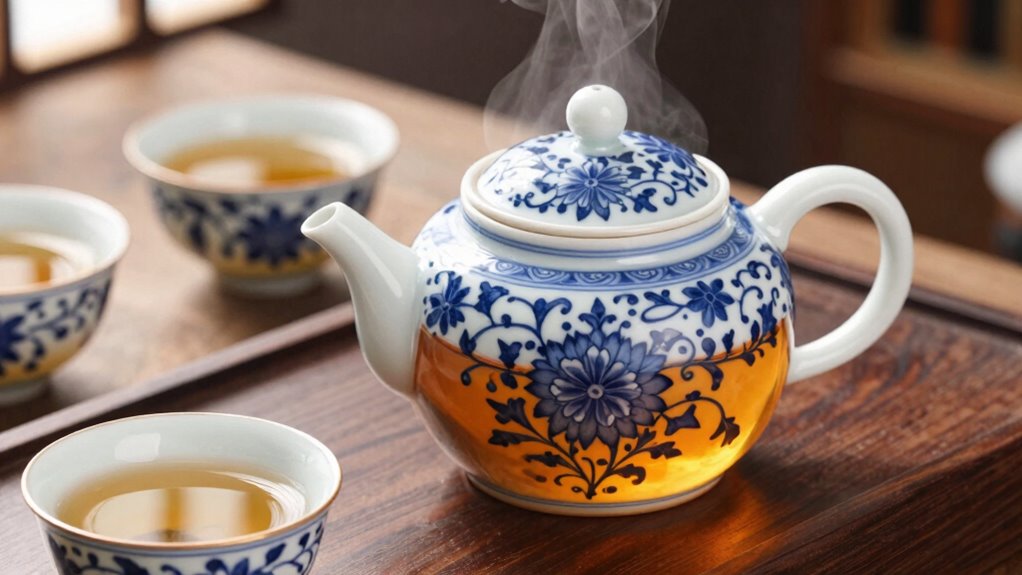
Oolong tea, with its unique blend of partially fermented leaves, has considerably shaped modern tea culture worldwide. Its distinct production process, known as tea fermentation, bridges the gap between green and black teas, offering a complex flavor profile that appeals to a broad audience. This fermentation process isn’t just about flavor; it’s a crucial part of the cultural rituals that surround oolong, especially in regions like China and Taiwan. When you engage in traditional tea ceremonies, you’re participating in centuries-old practices that elevate the act of drinking tea into a meaningful experience. These rituals emphasize respect, mindfulness, and appreciation, all rooted in the heritage of tea fermentation methods passed down through generations.
As you observe or partake in these cultural rituals, you’ll notice how oolong tea’s preparation and presentation reflect deeper values. The precise steeping times, the careful handling of leaves, and the serving techniques all highlight a reverence for tradition. These ceremonies often involve multiple infusions, allowing you to savor different layers of flavor from the same leaves—a tribute to the artistry behind tea fermentation. Such rituals are more than mere customs; they serve as a bridge connecting history, community, and personal mindfulness. This cultural significance feeds into the modern appreciation for oolong as something more than just a beverage. It becomes a symbol of cultural identity and a shared experience that transcends borders.
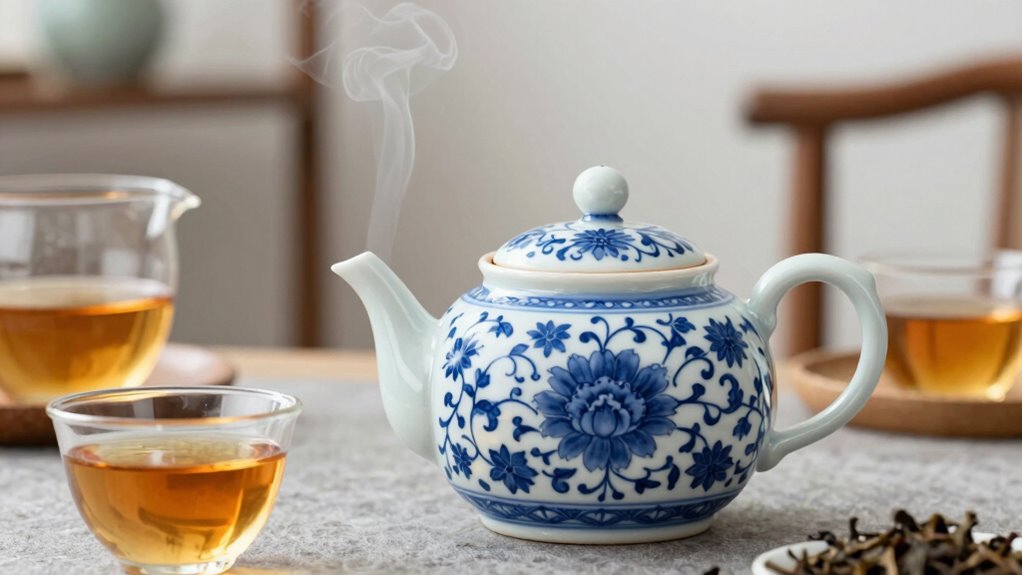
In today’s global tea culture, oolong’s influence is evident in contemporary tea bars and cafes that emphasize brewing techniques rooted in tradition. You might find yourself learning or practicing the same steps used in ancient rituals, such as using specific teapots or paying attention to water temperature. These practices serve to preserve the cultural legacy of tea fermentation while adapting it for modern tastes. The popularity of oolong also inspires a broader interest in the cultural rituals of tea across different societies, fostering a deeper respect for the artistry involved in each cup. Additionally, the tea fermentation process itself is recognized as a key element that defines the unique qualities and cultural importance of oolong tea. Understanding the cultural significance of fermentation can deepen your appreciation of how this process influences the flavor and cultural meaning of the tea. Recognizing the heritage of tea-making helps to connect these ancient traditions with contemporary practices. The artistry of tea brewing, which encompasses both skill and cultural knowledge, continues to be celebrated in modern tea culture. Whether you’re savoring a traditional Tie Guan Yin or experimenting with modern oolong blends, you’re engaging with a rich cultural history that continues to shape how people experience tea today.
As an affiliate, we earn on qualifying purchases.
Frequently Asked Questions
How Does Oolong Tea Differ From Green and Black Teas?
Oolong tea differs from green and black teas through its unique tea fermentation process and leaf oxidation level. Unlike green tea, which is minimally oxidized, and black tea, which is fully oxidized, oolong falls somewhere in between. This partial oxidation gives it a distinct flavor and aroma, blending freshness with richness. You’ll notice its complex taste, often with floral or fruity notes, making it a versatile choice among tea lovers.
What Are the Health Benefits of Drinking Oolong Tea?
Drinking oolong tea is like giving your health a gentle boost. It’s rich in tea antioxidants that fight free radicals and promote overall wellness. Oolong tea also helps boost your metabolism, making it easier to maintain a healthy weight. Regular consumption may improve heart health, support digestion, and enhance skin. So, sip this flavorful tea daily to enjoy these benefits and feel energized and revitalized.
Which Regions Are the Primary Producers of Oolong Tea?
You’ll find the primary producers of oolong tea in regions like Taiwan and China, where tea cultivation is deeply rooted. In Taiwan, the high-mountain regions produce unique regional varieties with distinctive flavors, while China’s Fujian province offers a rich history of traditional oolong teas. These regions’ climate and terrain influence tea cultivation, resulting in diverse regional varieties that shape the global appreciation for oolong tea.
How Is Oolong Tea Traditionally Brewed?
You should brew oolong tea using traditional techniques that enhance its flavor. Typically, you start with preheated teaware and rinse the leaves briefly to awaken their aroma. During a tea ceremony, steep the leaves in hot water—around 185-205°F—for 1-5 minutes, depending on your preference. Notably, this method preserves the tea’s nuanced flavors, making brewing an art form that deeply influences modern tea culture worldwide.
What Are Common Flavor Profiles of Different Oolong Teas?
You’ll notice that oolong teas have diverse flavor profiles, ranging from sweet and fruity to roasted and toasty. Green oolongs often feature floral and grassy notes, while darker, roasted varieties boast rich, smoky flavors. Your brewing techniques, like water temperature and steeping time, markedly influence these profiles. Experimenting helps you discover how different methods enhance the tea’s unique flavors, making each cup a personalized experience.
Conclusion
You might be surprised to learn that Oolong tea accounts for roughly 2% of the global tea market, yet its influence on modern tea culture is profound. Its unique brewing traditions and flavor profiles have inspired countless tea enthusiasts worldwide. As you explore tea scenes today, remember that Oolong’s rich history and versatile nature continue to shape how we appreciate and enjoy tea, making every sip a blend of tradition and innovation.
Halloween Picks
halloween
As an affiliate, we earn on qualifying purchases.