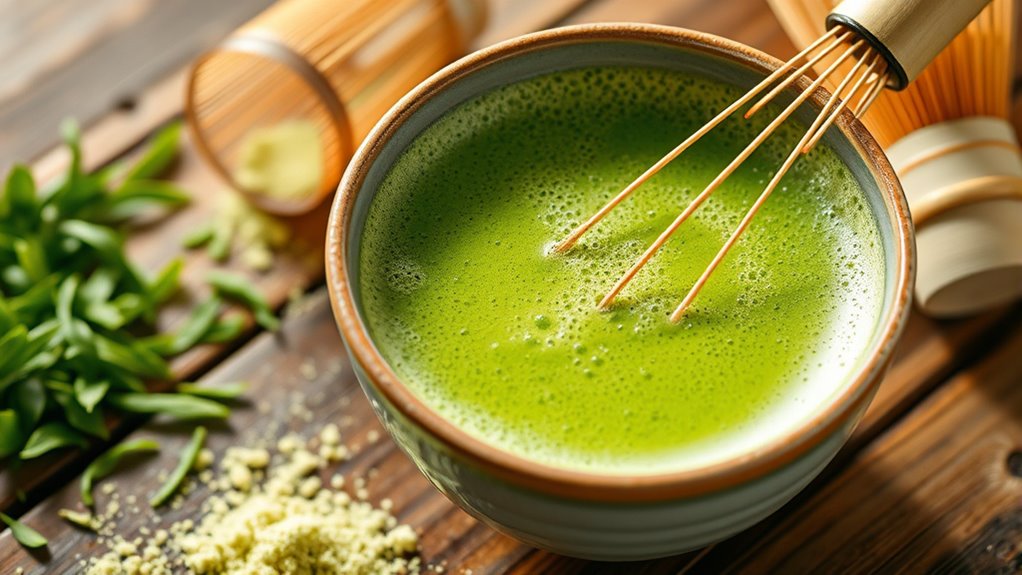

Many myths surround matcha tea, but understanding its true qualities clears up the confusion. Not all matcha is the same; ceremonial grade offers a delicate flavor suited for sipping, while culinary grade is better for baking. Matcha’s caffeine level is similar to coffee, providing a gentle, sustained boost without jitters. Its health benefits come from antioxidants, not miracle cures. To uncover more facts and enjoy matcha properly, keep exploring this fascinating beverage.
Key Takeaways
- Matcha contains similar caffeine levels as coffee, not more; it provides a sustained, calm alertness.
- Not all matcha is high-quality; ceremonial grade is made from the finest, shade-grown tea leaves.
- Matcha is versatile, suitable for drinking, baking, and blending, not just for special occasions.
- Its health benefits come from antioxidants, not detox claims, and it’s a beneficial addition, not a cure-all.
- The misconception that all matcha tastes the same ignores differences in grade, flavor, and quality.

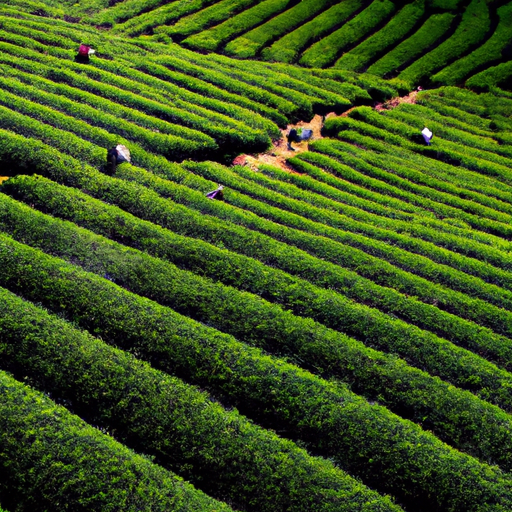
Have you ever wondered if the popular claims about matcha tea are true or just hype? When it comes to this vibrant green powder, there’s a lot of buzz, but also some misconceptions. One common myth is that all matcha is the same quality, but that’s not true. The most coveted is ceremonial grade matcha, which is made from the finest young tea leaves, carefully shade-grown, and stone-ground into a fine powder. This grade is prized for its vibrant color, delicate flavor, and smooth texture. Many assume that ceremonial grade matcha is only for special occasions, but the real difference lies in its quality and preparation. It’s meant to be enjoyed on its own, whisked with hot water, allowing you to savor its nuanced flavor without distractions. Cheaper or culinary-grade matcha, on the other hand, is often used in baking or smoothies because it’s less refined and has a more bitter taste.
Another myth revolves around caffeine content. People often believe matcha contains more caffeine than coffee, but that’s not entirely accurate. While matcha does have a noticeable caffeine boost, its content is generally comparable to a cup of brewed coffee. What makes it different is the way the caffeine is delivered. Since you consume the whole powdered leaf, the caffeine absorption is slower and more sustained, providing a calm, alert state without the jitters common with coffee. This slow release means you don’t experience the sharp spike and crash associated with other caffeinated beverages. The caffeine content in matcha varies depending on how much you use and the quality of the powder, but a typical serving contains roughly 70 milligrams, similar to a standard cup of coffee. However, because of its unique composition, many find it easier to tolerate and enjoy over a longer period.
Some myths also suggest that matcha is only for health-conscious people or those who want to detox. While it’s true that matcha is rich in antioxidants and can support your overall health, anyone can enjoy it. Its vibrant flavor and versatility make it suitable for everything from lattes to baked goods. The idea that it’s a miracle cure is exaggerated; it’s a beneficial addition to a balanced diet, not a substitute for medical advice or treatment. Ultimately, understanding the truth behind these myths lets you appreciate matcha’s true qualities. Whether you’re sipping ceremonial grade matcha for its delicate flavor or enjoying a more budget-friendly option, knowing the facts helps you make informed choices and truly enjoy what this ancient tea has to offer.

Naoki Matcha Superior Ceremonial Blend – Authentic Japanese First Harvest Ceremonial Grade Matcha Green Tea Powder from Uji, Kyoto (40g / 1.4oz)
✓ Premium Japanese Ceremonial Grade Matcha, Fresh from Japan – Made from shade grown, First Harvest tea leaves…
As an affiliate, we earn on qualifying purchases.
As an affiliate, we earn on qualifying purchases.
Frequently Asked Questions
Is Matcha Suitable for Children and Pregnant Women?
You should be cautious with matcha if you’re considering it for children or pregnant women. While small amounts might be safe, children safety and pregnancy considerations are vital because matcha contains caffeine and antioxidants. Excessive intake can lead to sleep issues or health risks. Always consult a healthcare professional before adding matcha to a child’s diet or during pregnancy, to guarantee it’s safe and appropriate for your specific situation.
Does Matcha Contain More Caffeine Than Coffee?
Matcha contains less caffeine than coffee, but it still offers a steady energy boost due to its unique combination of caffeine and L-theanine. This means you’ll feel alert without the jitters often associated with coffee. If you’re sensitive to caffeine, you might find matcha gentler, providing sustained focus and calmness. So, while it may not have more caffeine, it still delivers a reliable energy lift.
Can Matcha Help With Weight Loss Effectively?
Matcha can help with weight loss, and it’s like a secret weapon in your health arsenal. It boosts your metabolism and suppresses your appetite, making it easier to stick to your goals. While it’s not a miracle cure, adding matcha to your routine supports fat burning and curbs cravings. Just remember, consistency and a balanced diet are key—matcha’s power works best when combined with healthy habits.
Is All Matcha of the Same Quality and Purity?
Not all matcha is of the same quality and purity. You should look for products that meet strict quality standards and have clear purity verification. High-quality matcha comes from shade-grown, organically cultivated tea leaves, ensuring better flavor and higher antioxidant levels. Always check labels for certification or testing results, and buy from reputable sources. This way, you can enjoy the true benefits of matcha without concerns about contaminants or inferior quality.
Are There Any Side Effects From Drinking Matcha Regularly?
Drinking matcha regularly can cause some health concerns, especially if you have allergy risks or sensitivities. You might experience side effects like headaches, upset stomach, or trouble sleeping due to caffeine content. If you’re prone to allergies, watch out for reactions from contaminated or low-quality matcha. To stay safe, consume it in moderation, choose high-quality sources, and consult your doctor if you have any health concerns.

Jade Leaf Matcha Organic Culinary Grade Matcha Powder – Japanese Green tea for Baking, Smoothies, Lattes, and Skin Care, 30g / 1.06 Ounce (Pack of 1)
ORGANIC MATCHA GREEN TEA POWDER: Our Culinary Grade Matcha is a versatile ingredient great for everything from smoothies,…
As an affiliate, we earn on qualifying purchases.
As an affiliate, we earn on qualifying purchases.
Conclusion
Now that you know the truth about matcha, you can enjoy it with confidence. For example, imagine trying matcha daily and noticing increased energy without jitters—just like Sarah, who switched from coffee and felt better overall. By understanding the myths, you make smarter choices and truly appreciate this vibrant green tea. So go ahead, sip matcha mindfully, and enjoy its many benefits—your health will thank you!

Matcha Whisk Set, Matcha Set Home and Kitchen, Matcha Kit Handled Matcha Bowl Tea Set, Christmas Gifts for Women Mom, Kitchen Decor And Accessories, Matcha Sifter Tea Cup Set Christmas Kitchen Decor
THE ULTIMATE MATCHA SET HAS IT ALL – This matcha kit includes Matcha Sifter (Eliminates Lumps For Uniform…
As an affiliate, we earn on qualifying purchases.
As an affiliate, we earn on qualifying purchases.
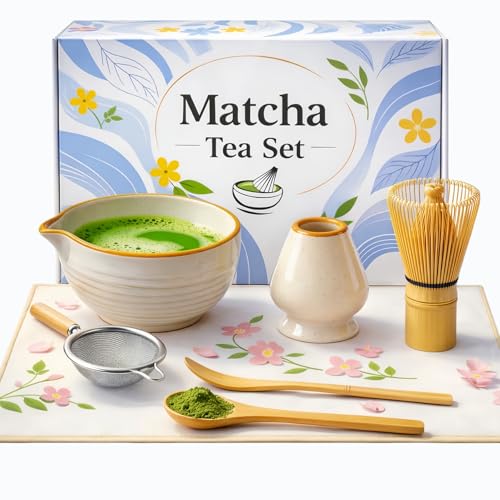
ARTFLY Matcha Set, 7-Piece Japanese Matcha Kit with Ceramic Bowl, Bamboo Whisk, Ceramic Whisk Holder, Stainless Steel Sifter, Chashaku Scoop, Bamboo Spoon and Tea Towel
1. Complete 7-piece matcha set Includes 1 ceramic bowl, 1 bamboo whisk, 1 ceramic whisk holder, 1 stainless…
As an affiliate, we earn on qualifying purchases.
As an affiliate, we earn on qualifying purchases.