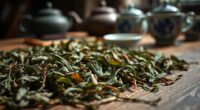
Matcha tea has deep roots in Japanese culture, originating from ancient China where Buddhist monks used it for meditation. It became a central part of Japanese rituals, especially the tea ceremony called “chanoyu,” emphasizing mindfulness and harmony. The traditional process involves shade-growing, stone-grinding leaves, and careful preparation that highlights aesthetic and spiritual values. To discover the fascinating history and cultural significance behind this vibrant beverage, keep exploring its origins and traditions.
Key Takeaways
- Matcha tea originated in ancient China and was later adopted into Japanese culture, becoming central to traditional tea ceremonies.
- It was initially used by Buddhist monks for meditation and spiritual practices.
- The preparation involves shade-growing, stone-grinding leaves into a fine powder, emphasizing craftsmanship.
- The Japanese “chanoyu” tea ceremony highlights mindfulness, respect, and harmony through ritual preparation.
- Today, matcha symbolizes centuries-old cultural heritage and influences modern tea appreciation worldwide.
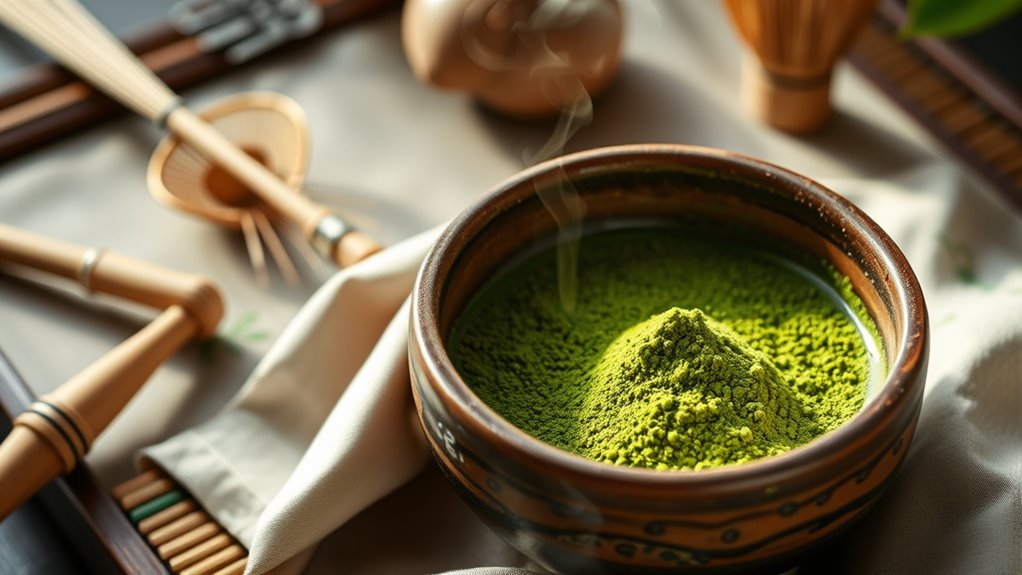
Have you ever wondered what makes matcha tea so uniquely mesmerizing? It’s more than just a vibrant green beverage; it’s a symbol of centuries-old traditions and a ritualistic experience that connects you to Japan’s cultural heritage. When you sip matcha, you’re not only tasting a finely ground powder of shade-grown tea leaves but also immersing yourself in a rich history that dates back over a thousand years. The journey of matcha begins with its roots in ancient China, where it was originally used by Buddhist monks as a meditative aid. However, it’s in Japan where matcha truly found its ceremonial significance, becoming an integral part of the traditional tea ceremony, known as “chanoyu” or “chado.” This ritual isn’t just about drinking tea; it’s about mindfulness, respect, and harmony, all of which are expressed through precise movements and etiquette during the traditional preparation.
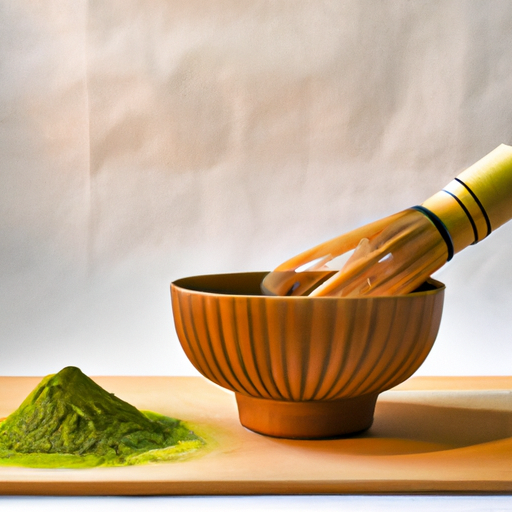
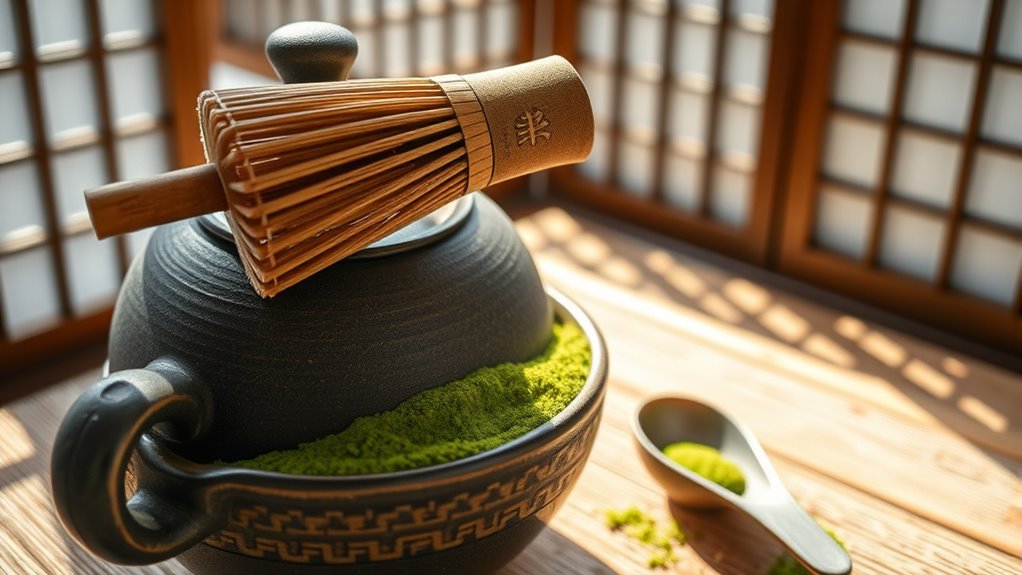
The traditional preparation of matcha is a fascinating process that elevates it beyond a simple beverage. It involves a series of carefully choreographed steps designed to honor the tea’s history and the aesthetic values of Japanese culture. First, you start with high-quality, shade-grown tea leaves, which are carefully harvested and stone-ground into a fine powder. During the tea ceremony, the host uses a bamboo scoop called a “chashaku” to measure the right amount of matcha into a bowl called “chawan.” Hot water, heated to just the right temperature, is then added, and the tea is whisked with a bamboo whisk called a “chasen.” The whisking isn’t just about mixing; it’s a rhythmic, meditative motion that creates a frothy, vibrant-green drink. This traditional preparation embodies a sense of calm and reverence, turning an everyday act into a meaningful ritual.
Additionally, the quality of matcha significantly influences its flavor and health benefits, making the selection process important for enthusiasts and newcomers alike. The tea ceremony emphasizes harmony, respect, purity, and tranquility, making each step deliberate and intentional. You learn to appreciate the texture, aroma, and color of the matcha, recognizing its significance beyond taste. This ritualistic approach transforms the act of drinking tea into a moment of mindfulness, allowing you to slow down and reflect. The traditional preparation isn’t just about making tea; it’s about embracing a cultural philosophy that values simplicity, grace, and connection. When you participate in a tea ceremony, you’re experiencing centuries of tradition that have shaped Japanese identity and continue to influence modern tea appreciation worldwide. It’s this blend of history, artistry, and mindful practice that makes matcha tea truly extraordinary.
Frequently Asked Questions
How Is Matcha Tea Traditionally Prepared?
You prepare matcha tea by first sifting the powder into a bowl. Then, add hot but not boiling water. Using a traditional bamboo whisk, you whisk the tea in a brisk, zigzag motion until it’s frothy. This process is part of the tea ceremony, emphasizing mindfulness and precision. The traditional whisking technique guarantees a smooth, creamy texture and enhances the vibrant flavor of your matcha.
What Are the Health Benefits of Drinking Matcha?
Think of matcha as your personal fountain of youth. When you drink it, you’re boosting your antioxidant properties, which fight off free radicals, and enhancing your mental clarity, like a zen master’s focus. Regularly sipping matcha can help improve your energy levels, support your immune system, and even promote relaxation. Its rich nutrients make it a powerful addition to your daily routine for a healthier, more vibrant you.
How Does Matcha Differ From Other Green Teas?
You’ll notice that matcha differs from other green teas mainly in its processing and uses. Ceremonial grade matcha is high-quality, perfect for traditional tea ceremonies, offering a rich, smooth flavor. In contrast, culinary applications use lower-grade matcha for cooking and baking, adding vibrant color and flavor to recipes. Unlike regular green teas, matcha involves consuming the powdered leaves directly, providing more antioxidants and a stronger, more sustained energy boost.
What Are Common Culinary Uses for Matcha?
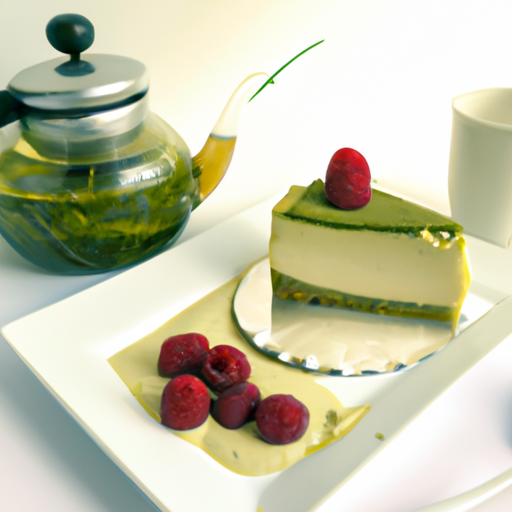
You can get creative with cooking with matcha by adding it to smoothies, lattes, and desserts. It’s popular in matcha baking recipes like cakes, cookies, and muffins, giving them a vibrant color and unique flavor. Incorporate matcha into your culinary repertoire to elevate your treats and drinks, and enjoy its health benefits. Whether baking or making beverages, matcha adds a distinctive, earthy taste that makes your creations stand out.
How Should You Store Matcha for Freshness?
To keep your matcha fresh, store it in an airtight container away from light, heat, and humidity. Use storage tips like keeping it in a cool, dark place, and avoid frequent opening to preserve its flavor and vibrant color. For maximum freshness preservation, consider refrigerating or freezing the matcha, and let it return to room temperature before opening to prevent moisture from affecting its quality.
Conclusion
Now that you’ve uncovered the rich history of matcha tea, you’re ready to appreciate its unique blend of tradition and flavor. As you sip your matcha, imagine ancient monks in Kyoto, perhaps texting their friends about the perfect brew. This vibrant green tea connects centuries of culture with your modern moment. So, next time you brew a cup, remember—you’re part of a timeless ritual that dates back to samurai and Zen temples, even if they didn’t have smartphones.