
Matcha tea deserves a closer look because it offers more than just a flavorful drink. It’s rooted in Japanese tradition and turns tea drinking into a mindful, ritualistic practice that promotes calm and focus. Rich in antioxidants and providing a gentle energy boost, matcha supports your health naturally. Plus, its sustainable cultivation makes it an eco-friendly choice. Stay tuned to discover how this ancient superfood can elevate your well-being and daily routine.

Get coffee and tea gear delivered free with Prime
- Fast, free delivery on millions of items
- Prime Video, Amazon Music and more included
- Member-only deals all year
Key Takeaways
- Its rich cultural history elevates tea drinking into a mindful, ceremonial practice rooted in Japanese tradition.
- Matcha offers superior health benefits due to its high antioxidant content and natural energy-boosting properties.
- Consuming whole leaf powder provides concentrated nutrients and promotes overall well-being.
- The preparation process fosters mindfulness, mental clarity, and emotional balance.
- Sustainable cultivation supports environmental health, making it a responsible superfood choice.
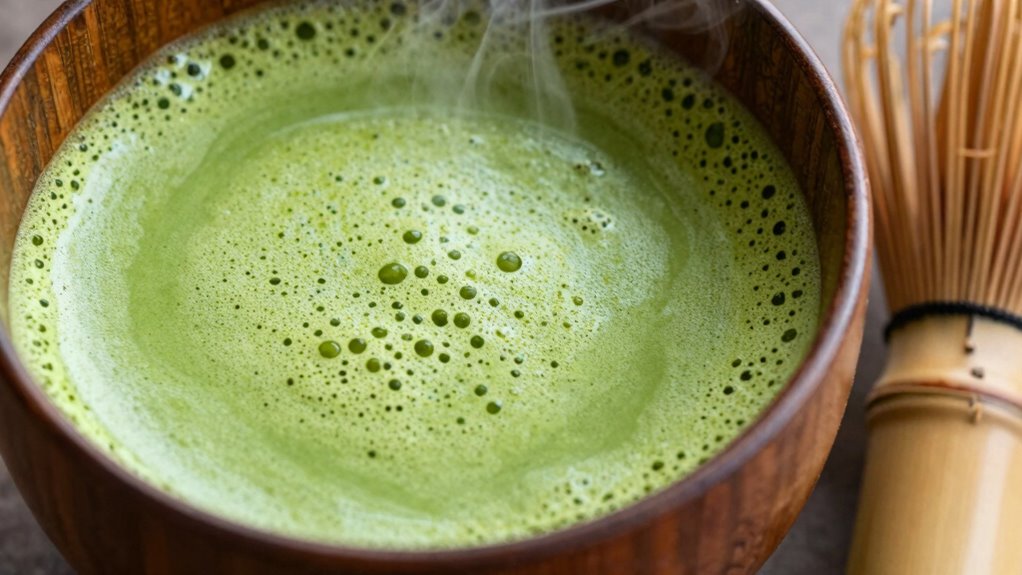
If you haven’t yet explored matcha tea, you might be missing out on a beverage packed with unique health benefits and rich flavors. This vibrant green powder isn’t just a trendy drink; it holds deep ceremonial significance rooted in centuries of tradition, especially in Japanese culture. When you prepare matcha correctly, you honor a ritual that dates back to the samurai era, where the tea was used in meditative ceremonies to promote mindfulness and focus. This sense of ceremony elevates the simple act of drinking tea into a mindful experience, encouraging you to slow down and appreciate each sip.
Beyond its cultural importance, matcha offers a remarkable array of health benefits. Unlike regular green tea, which involves steeping leaves and discarding them, matcha involves consuming the entire leaf in powdered form. This means you get a higher concentration of antioxidants, particularly catechins, which are known for their ability to combat free radicals and reduce inflammation. Drinking matcha regularly can support your immune system, boost your metabolism, and even improve your skin health. Its natural caffeine content provides a gentle, sustained energy boost without the jitters often associated with coffee, making it an excellent choice for mental clarity and focus throughout your day.
Matcha’s full-leaf consumption delivers powerful antioxidants, boosting immunity, metabolism, and skin health naturally.
You might also find that incorporating matcha into your routine helps with weight management. The combination of antioxidants and caffeine in matcha can enhance fat oxidation and increase your metabolic rate. Plus, the calming effect of the amino acid L-theanine in matcha balances out the caffeine, helping you stay alert without feeling anxious or overstimulated. These health benefits make matcha more than just a flavorful drink; it’s a functional superfood that can support your overall well-being. Additionally, because matcha involves consuming the whole leaf, it provides a more concentrated source of nutrients, making it particularly potent compared to other teas. This concentration of nutrients is also important from a biodiversity perspective, as sustainable cultivation practices can help protect the environment while producing high-quality matcha.
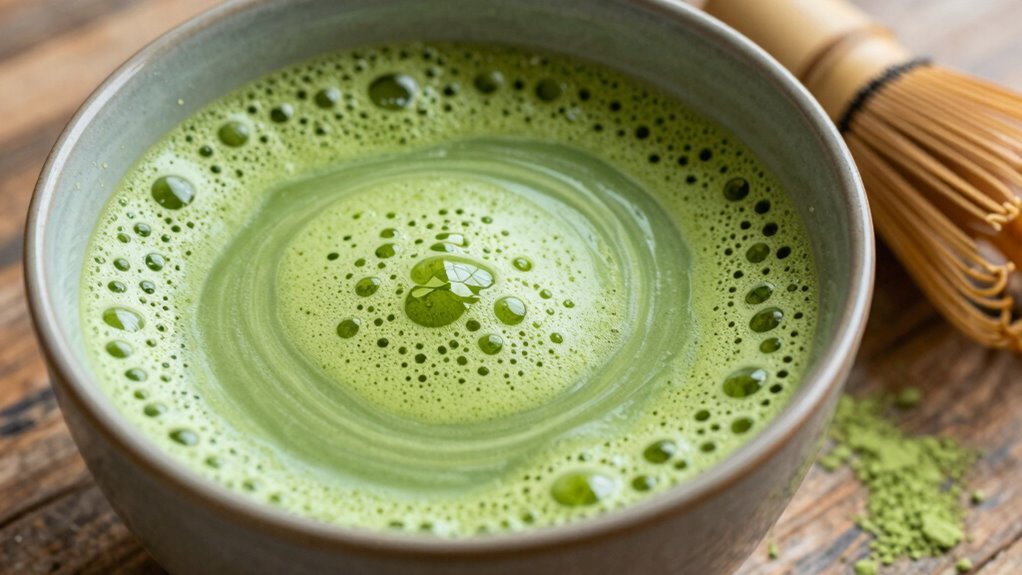
Preparing matcha is a ritual in itself, requiring a whisk and a bowl, which encourages you to be present in the moment. This process not only enhances your appreciation for the tea but also turns the act of drinking into a calming, meditative practice. When you understand the ceremonial significance behind matcha, you’re more likely to savor each cup with mindfulness and gratitude. The meditative aspect of preparing and drinking matcha can have profound effects on your mental clarity and emotional balance. As you incorporate matcha into your lifestyle, you’ll discover that its health benefits extend beyond physical wellness, enriching your mental and emotional health as well. In the end, matcha isn’t just a beverage; it’s a tradition and a powerful health ally worth exploring more deeply.
As an affiliate, we earn on qualifying purchases.
Frequently Asked Questions
How Is Matcha Tea Traditionally Prepared?
You prepare matcha tea through a ceremonial process that involves whisking finely powdered green tea with hot water using a bamboo whisk. During a traditional tea ceremony, you carefully sift the matcha, scoop it into a bowl, and add hot water. Then, you whisk briskly in a zigzag motion until frothy. This ceremonial preparation emphasizes mindfulness, respect, and the appreciation of the tea’s vibrant flavor and vibrant color.
Are There Any Health Risks Associated With Matcha Consumption?
You should be aware that high consumption of matcha tea can pose health risks, such as matcha toxicity from excessive caffeine intake, leading to jitters or insomnia. Additionally, some people may experience matcha allergies, resulting in allergic reactions like hives or swelling. To enjoy its benefits safely, consume matcha in moderation and watch for any adverse symptoms, especially if you’re sensitive to caffeine or allergic to certain plants.
What Are the Different Grades of Matcha?
You’ll find that matcha comes in several grades, mainly culinary, premium, and ceremonial. Notably, only about 30% of matcha production is ceremonial grade, reflecting its high quality. This grading depends on matcha cultivation, where shade-grown leaves develop richer flavor, and matcha marketing, which highlights the differences. You’ll notice ceremonial matcha is the finest, used for traditional tea ceremonies, while culinary grade suits cooking and lattes.
How Does Matcha Compare to Other Green Teas Nutritionally?
Matcha tea offers superior nutritional benefits compared to other green teas because you consume the whole leaf, which boosts antioxidant content and nutrients. You get more catechins, vitamins, and fiber, enhancing your health benefits. Unlike steeped green tea, matcha provides a sustained energy boost and improved focus. Its high antioxidant levels help fight free radicals, making it a powerful, nutrient-dense choice for your wellness routine.
Can Matcha Tea Be Incorporated Into Recipes Beyond Beverages?
You can absolutely incorporate matcha tea into recipes beyond beverages, transforming your culinary creations with its vibrant flavor and health benefits. Imagine adding it to your favorite Matcha baking recipes—cakes, cookies, or muffins—for a subtle, earthy twist. Its versatility allows you to elevate smoothies, ice creams, and even savory dishes. With a little experimentation, matcha becomes your secret ingredient, revealing a world of delicious, nutritious possibilities in your kitchen.
Conclusion
As you explore matcha tea, you’ll notice how its unique benefits align perfectly with your desire for health and mindfulness. It’s almost as if the universe nudges you toward this vibrant, antioxidant-rich beverage at just the right moment. Sometimes, the best discoveries happen when you least expect them, and matcha’s ancient roots and modern perks make it a truly serendipitous find. So, don’t overlook it—chance might just lead you to a new favorite.
Columbus Day / Indigenous Peoples' Day Picks
long weekend sales
As an affiliate, we earn on qualifying purchases.