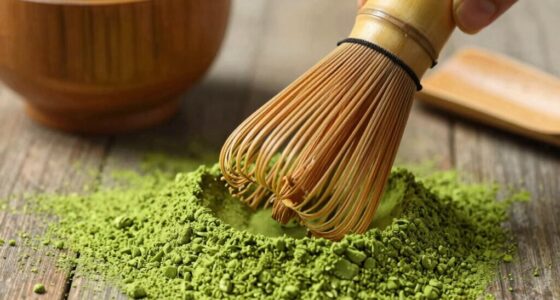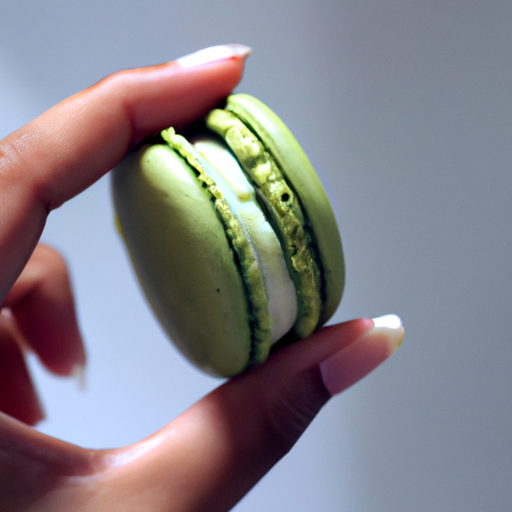
Matcha tea has profoundly influenced modern tea culture by blending traditional rituals with current wellness trends. You now see it in trendy cafes, especially as colorful matcha lattes that appeal to health-conscious consumers. Its cultural significance promotes mindfulness and appreciation, encouraging you to slow down and savor each sip. This fusion of tradition and modern lifestyle makes tea more than just a beverage — it’s a holistic experience. Keep exploring to discover more about how matcha continues shaping today’s tea world.

Get coffee and tea gear delivered free with Prime
- Fast, free delivery on millions of items
- Prime Video, Amazon Music and more included
- Member-only deals all year
Key Takeaways
- Matcha elevates tea from a traditional ritual to a trendy, visually appealing beverage popularized through social media.
- Its health benefits align with modern wellness trends, promoting mindfulness and functional nutrition.
- The integration of matcha into cafes and fusion drinks expands its influence across diverse social settings.
- Its emphasis on sustainability and quality enhances its prestige and consumer trust in contemporary markets.
- Matcha bridges traditional Japanese practices with modern lifestyles, fostering a holistic approach to health and cultural appreciation.
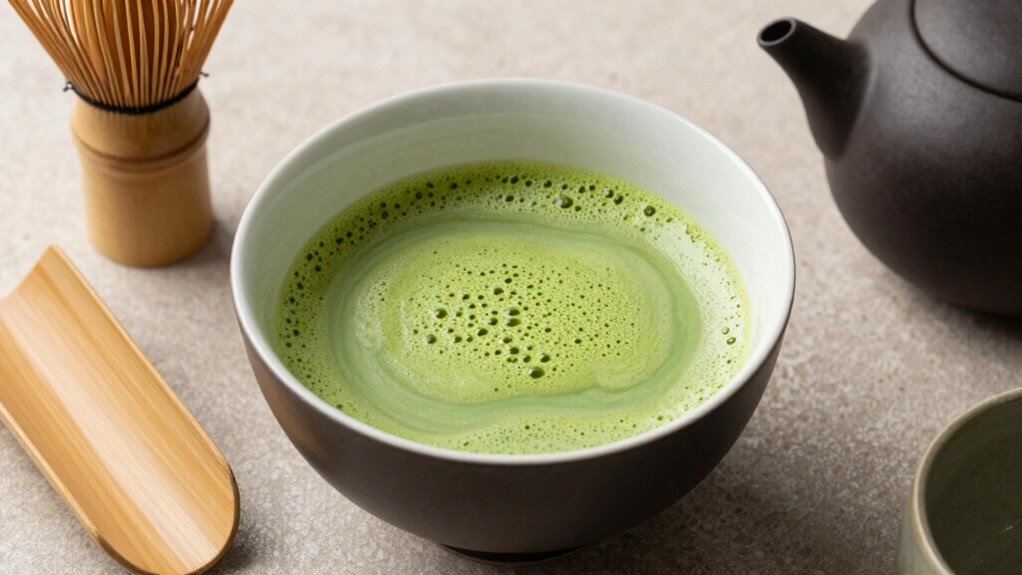
Matcha tea has gained popularity worldwide, seamlessly blending ancient tradition with modern lifestyle trends. You’ve probably seen it featured in cafes, health stores, or even as part of wellness routines. Its rise reflects a growing appreciation for the tea ceremony, a centuries-old Japanese ritual that emphasizes mindfulness, precision, and respect. When you participate in or observe a matcha tea ceremony, you’re not just drinking tea; you’re engaging in a cultural experience that promotes calmness and reflection. This ceremony’s influence on modern tea culture is evident in how people now approach tea preparation—more than just a quick beverage, it’s a mindful practice that encourages slowing down and savoring each sip.
One major reason matcha has become integral to modern tea culture is its recognized health benefits. You might have heard about its high antioxidant content, which helps combat free radicals and supports overall wellness. Matcha’s unique preparation involves consuming the whole powdered leaf, meaning you get more nutrients compared to traditional steeped teas. Its health benefits extend to boosting metabolism, increasing energy levels, and even aiding mental clarity—making it popular among busy professionals and health-conscious individuals alike. As more people prioritize their well-being, they’re turning to matcha not only for its taste but also for its ability to enhance vitality and focus. Additionally, the rise of functional beverages featuring matcha reflects its growing role in the wellness industry. The increasing demand for natural ingredients in beverages has also propelled matcha’s popularity, aligning with consumers’ desire for cleaner and more sustainable options. The emphasis on sustainable cultivation also plays a key part in how consumers perceive and choose high-quality matcha products.
The influence of matcha on modern tea culture is also visible in how it’s embraced across different settings. You can find matcha lattes in trendy coffee shops, blending traditional tea with contemporary flavors and presentation styles. This fusion appeals to a broader audience, especially those who might not have previously considered tea as part of their daily routine. Additionally, social media has played a significant role in popularizing matcha, with influencers sharing visually appealing photos of vibrant green drinks and detailed tutorials on how to prepare it properly. This digital exposure has helped elevate matcha from a niche specialty to a mainstream staple, shaping the way people think about tea’s role in health and lifestyle. The growing interest in biodiversity and sustainable practices has also influenced how matcha is produced and marketed, emphasizing environmentally friendly cultivation methods. Furthermore, the emphasis on quality and authenticity in matcha production has contributed to its rising prestige and consumer trust.
Ultimately, matcha’s influence on modern tea culture lies in its ability to bridge the old and new. It invites you to appreciate a ritual rooted in centuries of tradition, while also fitting seamlessly into contemporary wellness trends. As you explore matcha, you’re participating in a movement that values mindfulness, health, and a deeper connection with what you consume. It’s no longer just about drinking tea; it’s about embracing a lifestyle that honors tradition while embracing modernity.
As an affiliate, we earn on qualifying purchases.
Frequently Asked Questions
How Has Matcha Influenced Contemporary Coffeehouse Menus?
You’ll notice matcha’s influence in contemporary coffeehouse menus through flavor fusion and menu innovation. Baristas now blend matcha into lattes, frappes, and even baked goods, creating unique taste experiences. This trend introduces a vibrant, health-conscious option that appeals to diverse customers. As a result, matcha has become a staple ingredient, inspiring cafes to experiment and diversify their offerings, making the menu more exciting and appealing to modern tastes.
What Are the Health Benefits of Matcha Compared to Other Teas?
Think of matcha as a green powerhouse, bursting with health benefits. You get a higher concentration of antioxidants compared to other teas, which helps fight free radicals and boost your immune system. Its unique nutrients also provide sustained energy and mental clarity. Unlike other teas, matcha offers a full spectrum of benefits because you consume the whole leaf in powder form, making it an excellent choice for your overall well-being.
How Do Traditional Tea Ceremonies Adapt to Modern Settings?
You see traditional tea ceremonies adapting through ritual modernization, blending age-old practices with contemporary settings. Ceremonial adaptation often involves simplified steps or portable tools, making it easier for you to enjoy the experience anywhere. Modern spaces incorporate minimalist designs, digital guidance, or casual atmospheres, allowing you to appreciate the ritual’s spirit while fitting into your busy lifestyle. This seamless blend helps preserve tradition while embracing contemporary convenience.
Are There Sustainable Practices in Matcha Cultivation Today?
Yes, sustainable practices in matcha cultivation are growing. Farmers adopt sustainable farming techniques, reducing chemical use and conserving water, to protect the environment. Many matcha producers pursue organic certification, ensuring their tea is grown without synthetic pesticides or fertilizers. These efforts help maintain soil health and promote eco-friendly cultivation, making matcha a more sustainable choice for environmentally conscious consumers seeking high-quality, ethically produced tea.
How Do Younger Generations Perceive Matcha’s Cultural Significance?
You see, the cultural perception of matcha among younger generations is like a fresh breeze—vibrant and evolving. This generational shift transforms matcha from an ancient tradition into a symbol of mindful living and sustainability. As they embrace modern wellness trends, they view matcha not just as tea but as a catalyst for connection, creativity, and environmental consciousness, blending tradition with innovation in a colorful tapestry of tea culture.
Conclusion
As you embrace matcha’s vibrant spirit, you’re stepping into a tradition that’s blossomed into a modern cultural wave. It’s more than just tea; it’s a bridge connecting centuries of history with today’s mindful, stylish lifestyles. Like a gentle breeze sweeping through a bustling city, matcha’s influence refreshes and energizes the way we experience tea. So, savor each sip, knowing you’re part of a movement that’s turning tea culture into a lively, living art form.
Fall Picks
fall essentials
As an affiliate, we earn on qualifying purchases.