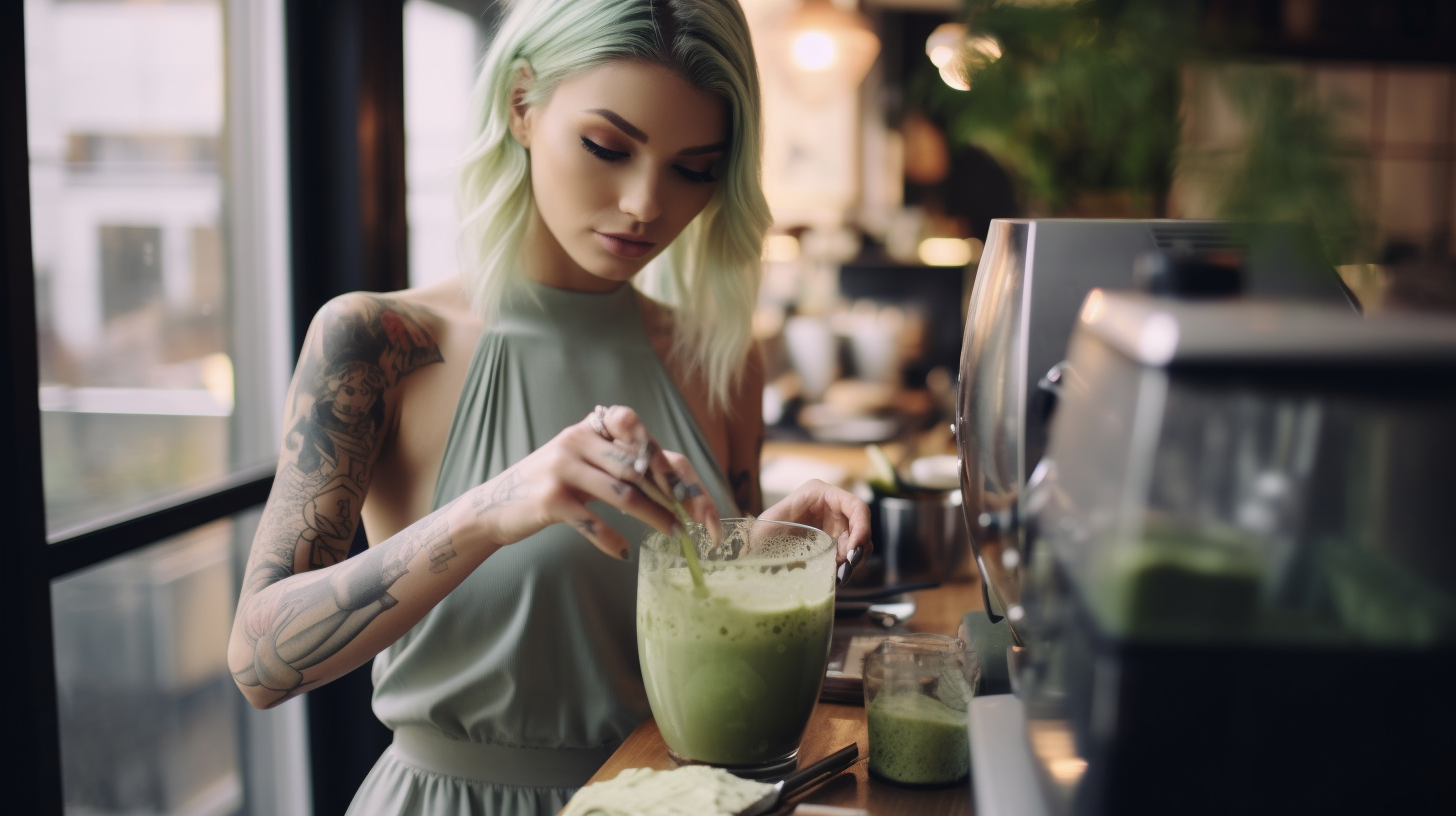
Matcha tea’s story goes beyond its vivid green color; it’s rooted in centuries of Japanese history, originally used by monks and samurai to sharpen focus and discipline. Crafted with care, shade-grown leaves reflect respect for nature and tradition. It symbolizes mindfulness, harmony, and spiritual connection through tea ceremonies. As a cultural icon, it helps remind you to slow down and find inner peace. If you keep exploring, you’ll discover even more about its fascinating heritage and significance.

Get coffee and tea gear delivered free with Prime
- Fast, free delivery on millions of items
- Prime Video, Amazon Music and more included
- Member-only deals all year
Key Takeaways
- Matcha originated from Japanese monks and samurai for focus, evolving into a symbol of Zen philosophy and cultural sophistication.
- Shade-grown tea leaves are carefully harvested and processed to enhance flavor, tradition, and sustainability.
- It holds deep spiritual significance, used in traditional ceremonies to promote mindfulness, respect, and tranquility.
- Matcha serves as a cultural connector, reflecting Japanese values, heritage, and a practice of disciplined, respectful preparation.
- Modern consumption emphasizes mindfulness, inner peace, and cultural appreciation, transforming drinking matcha into a meaningful experience.

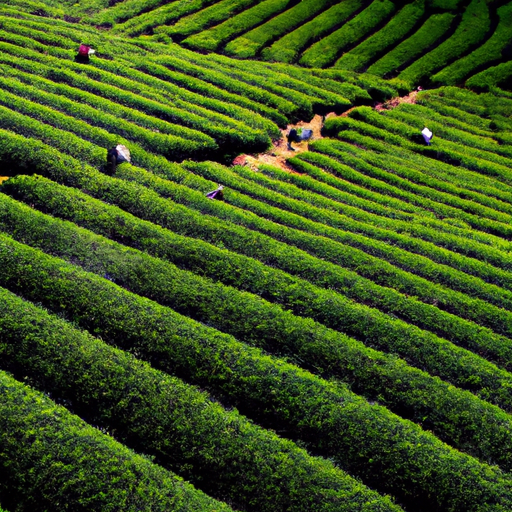
The cultural significance of matcha extends beyond the tea ceremony itself. Historically, it was consumed by monks and samurai, believed to enhance focus and alertness during meditation and battles. Over time, it became a symbol of sophistication and Zen philosophy, emphasizing mindfulness and discipline. Today, drinking matcha continues to carry this weight of tradition, representing a respect for craftsmanship and heritage. The process of growing and preparing matcha also reflects a deep respect for nature. The tea leaves are shade-grown, harvested by skilled farmers, and processed with meticulous care. This attention to detail guarantees that each cup contains the essence of centuries of tradition, craftsmanship, and reverence for the natural world. Additionally, the shade-growing process enhances the tea’s biodiversity, highlighting the importance of sustainable agricultural practices. Understanding the cultural roots behind matcha can deepen your appreciation for its significance beyond just taste. Recognizing the spiritual aspects associated with traditional tea ceremonies can further enrich your understanding of its cultural importance. When you learn about the cultural significance behind matcha, you gain a deeper appreciation for its role in Japanese society. It’s not just a beverage; it’s a way to connect with history, values, and spirituality. The ceremonial preparation and presentation serve as a reminder to slow down, be present, and honor the moment. Every sip becomes an act of mindfulness, linking you to a tradition that has shaped Japanese culture for hundreds of years. As you explore matcha’s story, you realize it’s more than a trend or flavor—it’s a reflection of a philosophy that values harmony, respect, purity, and tranquility. This tradition of mindfulness is central to understanding its cultural significance. Incorporating these practices into daily life can foster a deeper sense of inner peace and balance. Understanding this background enriches your experience, transforming your enjoyment of matcha into a meaningful cultural journey.
Products Worth Considering

Vitamix Ascent X3 Professional-Grade Blender, 3 Programs, Shadow Black

Vitamix Propel Series 510 Professional-Grade Blender, 3 Programs, Black

KitchenAid Artisan 5-Quart Tilt-Head Stand Mixer, Almond Cream
As an affiliate, we earn on qualifying purchases.
Frequently Asked Questions
What Are the Health Benefits of Drinking Matcha Daily?
Drinking matcha daily boosts your health by providing powerful antioxidants that fight free radicals. It also offers a moderate caffeine content, giving you a steady energy boost without the jitters. You’ll benefit from enhanced focus, improved metabolism, and better immune support. Plus, the rich nutrients in matcha help detox your body naturally. Incorporating it into your routine can promote overall well-being and sustained mental clarity throughout your day.
How Is Ceremonial Grade Matcha Different From Culinary Grade?
Ceremonial grade matcha is made from the finest, youngest tea leaves cultivated with care, resulting in a vibrant green color and delicate flavor profiles. It’s less bitter, with a smooth, grassy taste perfect for traditional tea ceremonies. In contrast, culinary grade matcha comes from more mature leaves, offering stronger, more robust flavors suitable for cooking and baking. You’ll notice the difference in quality, flavor subtlety, and intended use.
Can Matcha Help With Weight Loss or Fat Burning?
Yes, matcha can help with weight loss and fat burning. Its high level of Matcha antioxidants boosts your metabolism, making your body burn calories more efficiently. Plus, the natural Matcha energy boost keeps you active and alert, supporting your exercise routine. Regularly drinking matcha can enhance fat oxidation and curb cravings, making it a helpful addition to a healthy weight management plan.
What Is the Best Way to Prepare Traditional Matcha Tea?
Imagine you’re performing a delicate tea ceremony, where every step enhances flavor. To prepare traditional matcha, sift 1-2 teaspoons of powder into a bowl, add about 2 ounces of hot (not boiling) water, and whisk vigorously with a bamboo chasen until frothy. This method reveals rich flavor profiles, balancing umami and sweetness, and creates a vibrant, smooth tea. Embrace the ritual to truly appreciate matcha’s depth.
Are There Any Side Effects or Health Risks Associated With Matcha?
You might experience side effects if you’re sensitive to caffeine or have a matcha allergy. Caffeine can cause jitters, insomnia, or increased heart rate, especially if you consume large amounts. Allergic reactions are rare but can include itching or swelling. To stay safe, monitor your intake and consult a healthcare professional if you notice adverse symptoms. Being aware of your body’s response helps you enjoy matcha’s benefits safely.
Conclusion
Now that you know the rich history and careful cultivation behind matcha, you might think it’s just a trendy beverage. But imagine yourself sipping a warm, vibrant green cup, feeling the smooth, earthy flavor awaken your senses. It’s more than a tea; it’s a centuries-old ritual that connects you to tradition and nature. So next time you enjoy matcha, remember the story steeped in history—making each sip truly special.