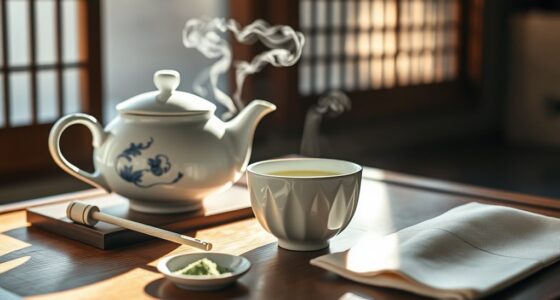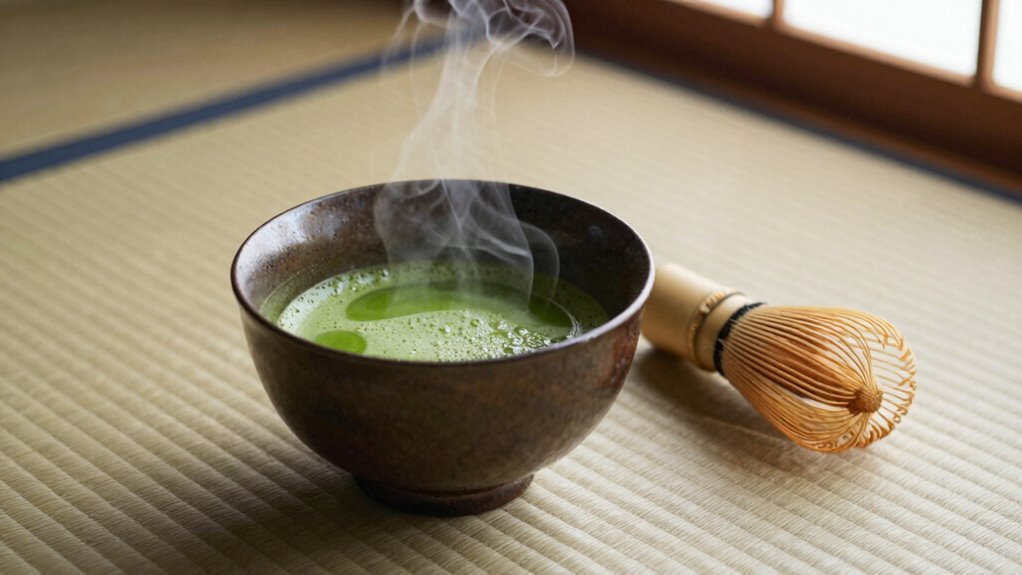
Many tea lovers miss how Japanese tea is about more than just flavor; it’s rooted in mindfulness, artistry, and cultural heritage. The traditional ceremonies emphasize harmony, respect, and connection to nature, transforming a simple cup into a meditative experience. Each step in the process reflects careful craftsmanship and centuries of tradition. If you look beyond taste, you’ll discover that every sip carries stories of history, discipline, and deep cultural significance waiting to unfold.
Key Takeaways
- The cultural and ritual significance behind Japanese tea elevates it beyond just a beverage.
- Regional differences and traditional craftsmanship deeply influence the flavor and quality.
- The mindfulness and meditative aspects of the tea ceremony are often overlooked.
- Preserving traditional methods is essential to maintaining Japan’s unique tea heritage.
- Every cup embodies centuries of history, artistry, and cultural connection, enriching the drinking experience.
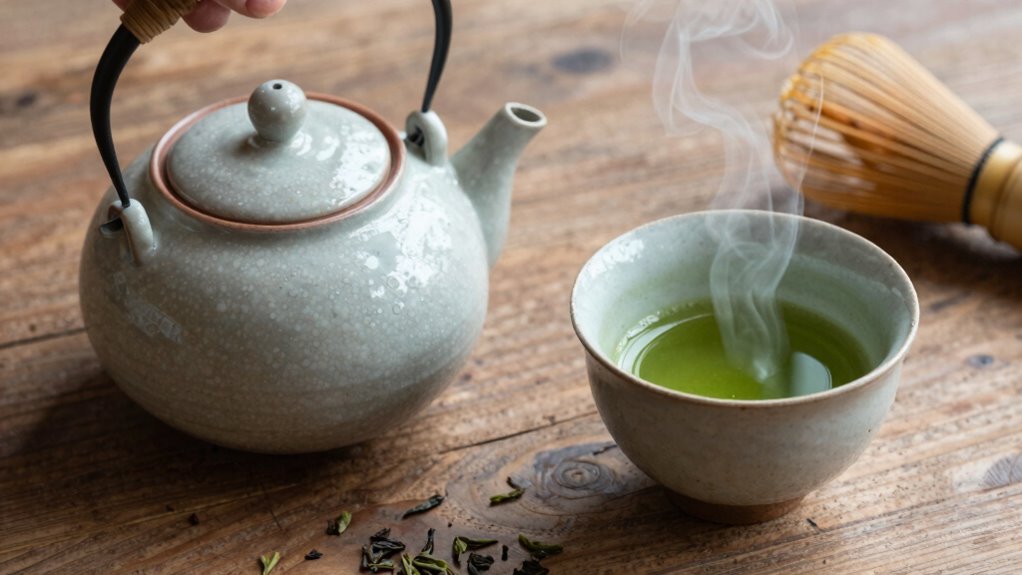
Japanese tea offers a rich and nuanced world for tea lovers to explore, showcasing centuries-old traditions and unique brewing methods. When you think of Japanese tea, you might picture serene tea ceremonies or the delicate flavor of green tea. But what many tea enthusiasts miss are the subtle cultural nuances and the mindfulness that underpin every sip. The tea ceremony, or *chanoyu*, isn’t just about drinking tea; it’s a ritual that embodies harmony, respect, purity, and tranquility. This ritual transforms the act of brewing and drinking tea into a meditative experience that connects you deeply with tradition and nature. It’s easy to overlook how much discipline and artistry go into perfecting each movement — from whisking matcha to arranging the utensils. Participating in or even observing a tea ceremony reveals the depth of Japanese reverence for tea, something that can’t be fully appreciated through casual consumption.
When you focus solely on green tea, you might miss how versatile and culturally significant it truly is. Green tea isn’t just a beverage; it’s a symbol of hospitality and a conduit for social connection. The quality of Japanese green tea varies greatly depending on the region and method of cultivation, yet many enthusiasts overlook the importance of understanding these differences. For example, matcha offers a rich, umami flavor and a vibrant green hue, but it also carries the weight of tradition and ceremony. Drinking green tea in Japan often involves more than just taste; it’s about appreciating the craftsmanship behind each cup. You might not realize how much thought goes into the harvesting, steaming, drying, and grinding processes that produce the perfect green tea leaves. This attention to detail deepens your experience beyond the surface level.
Most tea lovers focus on flavor profiles or health benefits, but they miss the cultural significance embedded in every cup. Each sip of Japanese green tea is an invitation to slow down, reflect, and honor centuries of cultural heritage. The simplicity of a cup of tea can be a gateway to mindfulness, a moment to pause amid a busy day. You might not realize how deeply Japan’s tea traditions influence everyday life — from local tea shops to high-end tea ceremonies. By understanding and embracing these traditions, you gain a richer perspective on Japanese culture. It’s not just about the tea itself but the story, ritual, and respect behind it that most tea lovers overlook. When you dive deeper into Japanese tea, you unlock a world where every cup holds history, artistry, and a peaceful moment of connection. Additionally, biodiversity plays a crucial role in sustaining the quality and variety of tea plants across Japan, ensuring the preservation of these cherished traditions for future generations. Understanding regional cultivation helps preserve these unique flavors and practices for generations to come.

TEANAGOO Matcha Whisk Set, 7 Pcs Matcha Set with Holder/Scoop/Sifter, Matcha Kit for Ceremony, Tradition Tea Set for Making Breakfast/Latte, Matcha Whisk Set and Ceramic Bowl, Gift for Friend/Family
7-PCS MATCHA WHISK SET: 1*Ceramic Bowl (chawan) 510 Ml/18 Oz, 1*Bamboo Whisk, 1*Bamboo Scoop (chashaku), 1*Cermaic Whisk Holder,…
As an affiliate, we earn on qualifying purchases.
As an affiliate, we earn on qualifying purchases.
Frequently Asked Questions
How Do Japanese Tea Rituals Differ From Other Cultures?
Japanese tea rituals, especially the tea ceremony, differ from other cultures by emphasizing mindfulness, harmony, and respect. You participate in a carefully choreographed process that highlights the cultural significance of each movement. Unlike casual tea drinking elsewhere, this ceremony fosters a deep spiritual connection and appreciation for tradition. It’s not just about the tea but about creating a moment of tranquility and cultural reverence, which many tea lovers often overlook.
What Are the Health Benefits Unique to Japanese Teas?
Japanese teas, like matcha and sencha, are rich in tea antioxidants, which boost your immune system and promote overall health. The cultural etiquette involved in preparing and drinking these teas enhances mindfulness and relaxation, offering more than just physical benefits. By embracing these traditions, you not only enjoy a flavorful beverage but also connect with centuries-old practices that support your well-being.
How Is Matcha Traditionally Prepared in Japan?
In Japan, matcha is traditionally prepared during a tea ceremony, emphasizing mindfulness and respect. You start by sifting the powdered green tea into a bowl, then add hot water. Using a bamboo whisk, you briskly whisk the mixture until it’s frothy and smooth. This matcha preparation process highlights the ritualistic and calming aspects of Japanese culture, making every sip a mindful experience.
What Are Common Mistakes When Brewing Japanese Green Tea?
When brewing Japanese green tea, you often make mistakes like using poor tea storage, which affects flavor, or water that’s too hot, resulting in bitterness. To avoid this, store your tea properly in a cool, airtight container and use water around 70-80°C (158-176°F). This careful approach maintains delicate flavors and guarantees a smooth, authentic cup, helping you enjoy the true essence of Japanese green tea.
How Do Seasonal Changes Affect Japanese Tea Flavors?
Seasonal changes profoundly influence Japanese tea flavors through tea cultivation practices. In spring, the tea develops fresh, grassy flavor nuances, while summer harvests tend to be more robust and astringent. Autumn teas often have a richer, deeper taste, and winter teas are usually milder and sweeter. You’ll notice these variations in flavor nuances, making each season’s tea unique. Paying attention to harvest times helps you appreciate the subtle shifts in Japanese tea taste.

Tea Ceremony Six Gentlemen Set, Chinese Gongfu Tea Making Tools,Multifunctional Tea Ceremony Accessories Combination for Rack Clip Knife Needle Spoon (Black)
【Tea Ceremony Six Gentlemen Set】Six gentlemen tea set includes tea Rack, tea pen (cleaning), tea fork (prevent scalding),…
As an affiliate, we earn on qualifying purchases.
As an affiliate, we earn on qualifying purchases.
Conclusion
So, next time you sip on Japanese tea, remember it’s more than just a drink—it’s a dance of history, harmony, and patience. When you embrace its subtlety, you reveal a world where every leaf whispers stories from centuries ago. Truly, Japanese tea isn’t just about taste; it’s a mirror reflecting your own mindfulness. In the quiet moments of your cup, you find not just tea, but a secret path to inner peace.
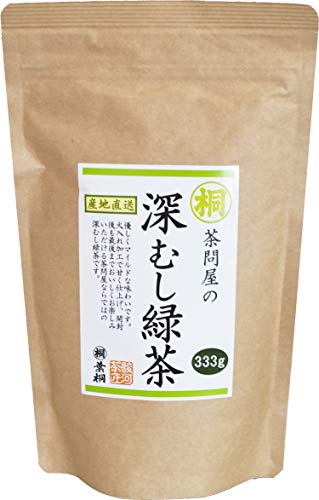
深むし緑茶 Japanese Pure Green Tea (333g/11.74oz) Sen-Cha Ryoku-Cha Extra Volume & Special Price japanese green tea from Shizuoka Japan with a tracking number
As an affiliate, we earn on qualifying purchases.
As an affiliate, we earn on qualifying purchases.

Matcha Whisk Set with Glass Cups – Japanese Matcha Set Tea Ceremony Starter Kit with Bamboo Chasen Whisk, Sifter and Scoop – Iced Making
Complete Matcha Kit: Experience the authentic Japanese tea ceremony with our macha whisk set, featuring a traditional matcha…
As an affiliate, we earn on qualifying purchases.
As an affiliate, we earn on qualifying purchases.