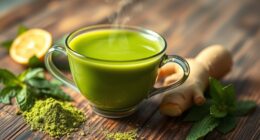
Tea is packed with powerful nutrients and bioactive compounds like antioxidants and polyphenols that actively support your immune system. These substances help neutralize free radicals, reduce inflammation, and protect your cells from damage. Drinking tea regularly can enhance your body’s resilience and aid recovery from infections. If you want to discover more about how tea’s natural compounds boost your immunity and overall health, keep exploring these beneficial effects.
Key Takeaways
- Tea contains antioxidants like catechins and polyphenols that neutralize free radicals and reduce oxidative stress.
- Green and black teas are rich in polyphenols that modulate immune responses and decrease inflammation.
- Regular tea consumption enhances immune resilience, aiding recovery from infections and reducing symptom severity.
- Bioactive compounds in tea work synergistically with nutrients like vitamin C to strengthen immune function.
- Tea’s immune-boosting benefits are maximized when combined with a balanced diet, hydration, and good hygiene practices.

Tea is rich in a variety of nutrients and bioactive compounds that can benefit your health. Among these, tea antioxidants stand out for their role in supporting your immune system. These powerful compounds help neutralize free radicals that can cause cellular damage, reducing oxidative stress and strengthening your body’s defenses. When you sip on tea regularly, you’re providing your body with a steady supply of these antioxidants, which work diligently to protect your cells from damage caused by environmental toxins and everyday stressors. Antioxidant properties in tea contribute significantly to its health-promoting effects, especially in bolstering immunity.
Polyphenol benefits are a major reason tea is often linked to immune health. Polyphenols are a class of plant compounds found abundantly in tea, especially green and black varieties, and they have been studied extensively for their health-promoting properties. These compounds help modulate immune responses by reducing inflammation and supporting the activity of immune cells. When inflammation is kept in check, your immune system can respond more effectively to pathogens, decreasing your chances of falling ill. Additionally, polyphenols may enhance your body’s ability to fight off viruses and bacteria, making them a key component of tea’s health benefits.
You might notice that drinking tea regularly can be a simple yet effective way to boost your immune resilience. The antioxidants and polyphenols present in tea can help you stay healthier, especially during cold and flu seasons. They also contribute to overall well-being by improving your body’s ability to recover from infections and reduce the severity of symptoms. By incorporating tea into your daily routine, you’re not just enjoying its comforting flavors but also harnessing its natural immune-boosting properties.
Moreover, tea’s bioactive compounds don’t work alone; they often work synergistically with other nutrients, amplifying their health benefits. For example, vitamin C and other phytochemicals in tea can work together with antioxidants to further enhance your immune response. This synergy makes tea a valuable addition to your diet when you’re aiming to optimize your immune health naturally. Just remember, while tea provides these beneficial compounds, maintaining a balanced diet, staying hydrated, and practicing good hygiene are essential for robust immunity.
Frequently Asked Questions
Do Different Tea Types Have Varying Immune-Boosting Effects?
Yes, different tea types offer varying immune-boosting effects because they contain unique tea antioxidants and herbal benefits. For example, green tea is rich in catechins that support immune function, while chamomile tea provides calming herbal benefits that may reduce stress, which affects immunity. By choosing a variety of teas, you can maximize these benefits and strengthen your immune response naturally.
How Much Tea Should I Drink Daily for Immune Health?
You should aim for about 3 to 4 cups of tea daily for immune health, following moderation guidelines. This amount provides beneficial compounds without risking excessive caffeine intake or other side effects. Keep in mind that individual tolerance varies, so listen to your body and adjust accordingly. Consuming tea as part of a balanced diet enhances your immune support, but don’t rely solely on tea—diversify your nutrient sources.
Can Tea Replace Other Immune-Boosting Foods and Supplements?
Tea can’t replace other immune-boosting foods and supplements, but it can complement them. Herbal infusions like echinacea or ginger enhance your immune response when combined with a balanced diet. Relying solely on tea won’t provide all necessary nutrients, so aim for supplement synergy—pair tea with fruits, vegetables, and supplements to optimize your immune health. Keep a varied approach for the best protection.
Are There Any Side Effects From Consuming High Amounts of Tea?
If you consume too much tea, you might face side effects like a tea allergy or caffeine overdose. You could develop allergic reactions such as itching, swelling, or difficulty breathing. Overdoing caffeine may cause insomnia, rapid heartbeat, or jitters. It’s important to enjoy tea in moderation, listen to your body, and be aware of any allergic symptoms or signs of excess caffeine to stay safe and healthy.
Does the Temperature of Tea Affect Its Nutrient Absorption?
Tea temperature substantially impacts nutrient bioavailability. When you drink hot tea, your body may absorb antioxidants and beneficial compounds more efficiently due to better solubilization. However, extremely hot tea can degrade some sensitive nutrients. Cooler tea preserves delicate compounds better, but absorption might be slightly lower. To maximize nutrient intake, enjoy your tea at a moderate temperature—hot enough to release compounds but not so hot that it destroys them.
Conclusion
By sipping tea, you’re revealing a treasure chest of immune-boosting compounds that dance within each cup. These natural warriors, from antioxidants to polyphenols, act like tiny knights defending your health castle. Think of tea as a gentle rain nourishing your defenses, turning everyday moments into powerful rituals. So, brew a cup and let these botanical allies weave their magic, transforming your wellness journey into a flavorful adventure you’ll savor cup after cup.