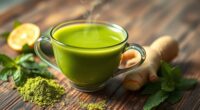
Tea is packed with bioactive compounds and nutrients that support your digestive health. Herbal infusions like chamomile, ginger, and peppermint contain anti-inflammatory and calming agents that soothe your stomach, reduce nausea, and ease bloating. Green and black teas offer antioxidants like catechins and flavonoids that protect your gut lining from damage. These compounds can also promote a healthy gut microbiome and improve overall digestion. Keep exploring to learn more about how tea can boost your gut well-being.
Open a free Amazon Business account
Business pricing, bulk buying and tax-exempt orders.
As an affiliate, we earn on qualifying purchases.
Key Takeaways
- Tea contains antioxidants like catechins and flavonoids that neutralize free radicals, supporting gut health.
- Herbal infusions such as chamomile, ginger, and peppermint provide anti-inflammatory compounds that soothe the digestive tract.
- Ginger compounds reduce nausea and promote gastric motility, aiding digestion.
- Bioactive compounds in herbal teas encourage beneficial gut bacteria, enhancing microbiome balance.
- Regular tea consumption supplies nutrients that strengthen the digestive system and reduce discomfort.

Tea is more than just a comforting beverage; it’s packed with nutrients and bioactive compounds that can benefit your health. When it comes to digestive health, many people turn to herbal infusions and specific teas known for their soothing properties. These herbal infusions, such as chamomile, ginger, and peppermint, contain compounds that promote digestion, reduce inflammation, and ease discomfort. You might find that sipping on these herbal infusions helps calm your stomach after a heavy meal or alleviates symptoms of indigestion. Their bioactive compounds work synergistically to support gut health, making them a natural choice for maintaining digestive balance.
One of the most notable benefits of tea for digestion lies in its antioxidant properties. Many teas, especially green and black varieties, are rich in antioxidants like catechins and flavonoids. These compounds help neutralize harmful free radicals that can cause cellular damage, including in the digestive tract. By reducing oxidative stress, antioxidants contribute to a healthier gut lining and may lower the risk of gastrointestinal issues. Incorporating antioxidant-rich teas into your routine can serve as a simple yet effective way to support your digestive system and overall health.
Herbal infusions are particularly beneficial because they contain specific bioactive compounds tailored to digestive health. For example, ginger tea is renowned for its ability to reduce nausea and promote gastric motility. Peppermint tea, on the other hand, relaxes the muscles of the gastrointestinal tract, easing bloating and cramps. Chamomile contains anti-inflammatory compounds that soothe inflamed tissues in your gut, helping to alleviate conditions like gastritis or irritable bowel syndrome. Drinking these herbal infusions regularly can help build a protective barrier in your digestive system, making it more resilient to stress and irritants.
In addition to their direct effects on digestion, these teas and infusions can also influence your gut microbiota. The bioactive compounds they contain may encourage the growth of beneficial bacteria, supporting a healthy microbiome. A diverse and balanced microbiome is essential for efficient digestion, nutrient absorption, and immune function. Smart indoor gardens can be used to cultivate herbs like ginger, peppermint, and chamomile, making it convenient to have fresh ingredients on hand for your teas. By choosing herbal infusions with antioxidant properties and digestive benefits, you’re not just soothing your stomach—you’re fostering a healthier internal environment that promotes overall well-being.
Ultimately, the nutrients and bioactive compounds in tea, especially those found in herbal infusions, offer a natural, accessible way to enhance your digestive health. Regularly incorporating these teas into your diet can help manage common issues, support gut resilience, and provide a calming ritual that benefits your mind and body alike.
Frequently Asked Questions
Can Tea Improve Specific Digestive Disorders Like IBS or Crohn’s Disease?
Tea can help improve digestive disorders like IBS or Crohn’s disease by acting as an herbal remedy that soothes your gut. Certain teas, such as peppermint or chamomile, promote better gut motility and reduce inflammation. While tea isn’t a cure, incorporating these herbal remedies into your routine may ease symptoms and support your digestive health. Always consult your healthcare provider for personalized advice on managing your condition.
Are There Any Risks of Consuming Too Much Tea for Digestion?
While enjoying tea, keep in mind that tea overconsumption may lead to some gentle imbalances. Too much caffeine effects can cause restlessness, dehydration, or stomach discomfort, subtly disrupting your digestion. Moderation is key; sipping in reasonable amounts helps you reap tea’s benefits without risking any drawbacks. Listen to your body’s signals, and you’ll find a delightful balance that supports your digestive health without unintended side effects.
Which Types of Tea Are Best for Soothing Gastrointestinal Discomfort?
You should opt for herbal infusions like chamomile, ginger, and peppermint to soothe gastrointestinal discomfort. These teas have natural anti-inflammatory and antispasmodic properties, making them effective for calming your stomach. Plus, their antioxidant properties support overall digestive health. Drinking these warm can help relax your muscles and reduce symptoms like bloating or cramping, providing gentle relief without the caffeine found in traditional teas.
How Quickly Can Tea Influence Digestive Health After Consumption?
Think of tea as a gentle wave hitting your digestive shores; you might feel its calming effects within minutes. Typically, the absorption timeline allows for immediate effects, often within 15 to 30 minutes after drinking. You could notice relief from discomfort or bloating soon after, especially with herbs like peppermint or ginger. So, expect your digestive health to respond relatively quickly—sometimes almost instantly—depending on your body’s absorption rate.
Are There Any Interactions Between Tea Compounds and Digestive Medications?
Tea can interact with digestive medications through tea drug interactions, potentially affecting how your medications work. Some compounds in tea, like tannins and caffeine, may interfere with herbal supplement compatibility, reducing effectiveness or causing side effects. To stay safe, check with your healthcare provider about any possible interactions before adding tea to your routine, especially if you’re taking prescribed digestive meds or herbal supplements.
Conclusion
By incorporating tea into your daily routine, you can harness its powerful compounds like catechins and flavonoids to support your digestive health. Did you know that studies show drinking tea regularly can reduce the risk of gastrointestinal issues by up to 30%? So, sip smartly and enjoy its benefits—your gut will thank you. With its natural nutrients, tea isn’t just a comforting beverage but a valuable part of your wellness journey.
Fall Picks
fall essentials
As an affiliate, we earn on qualifying purchases.