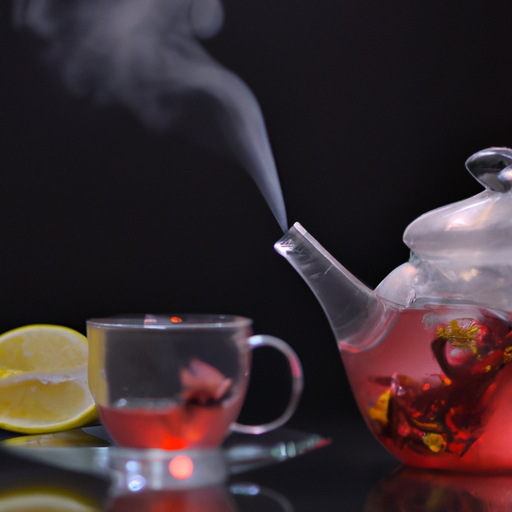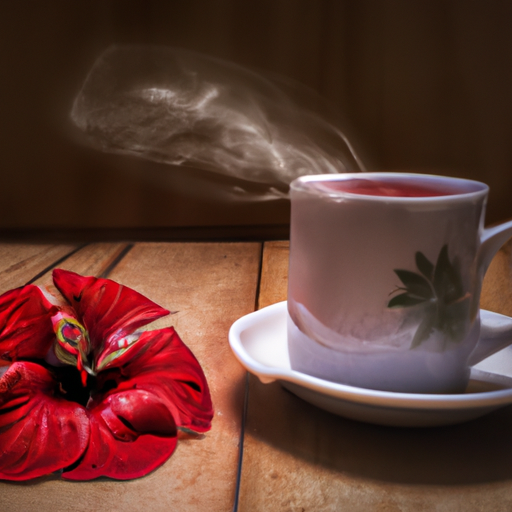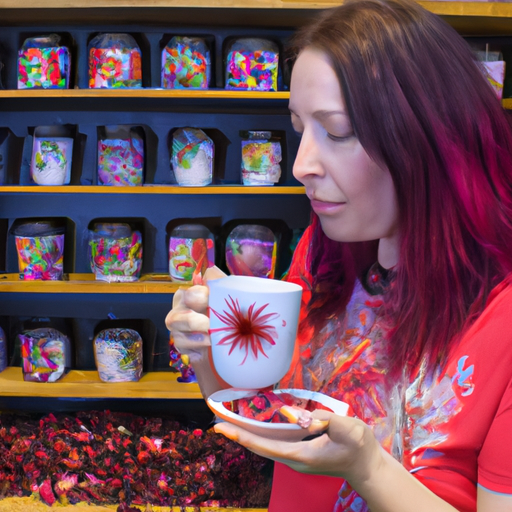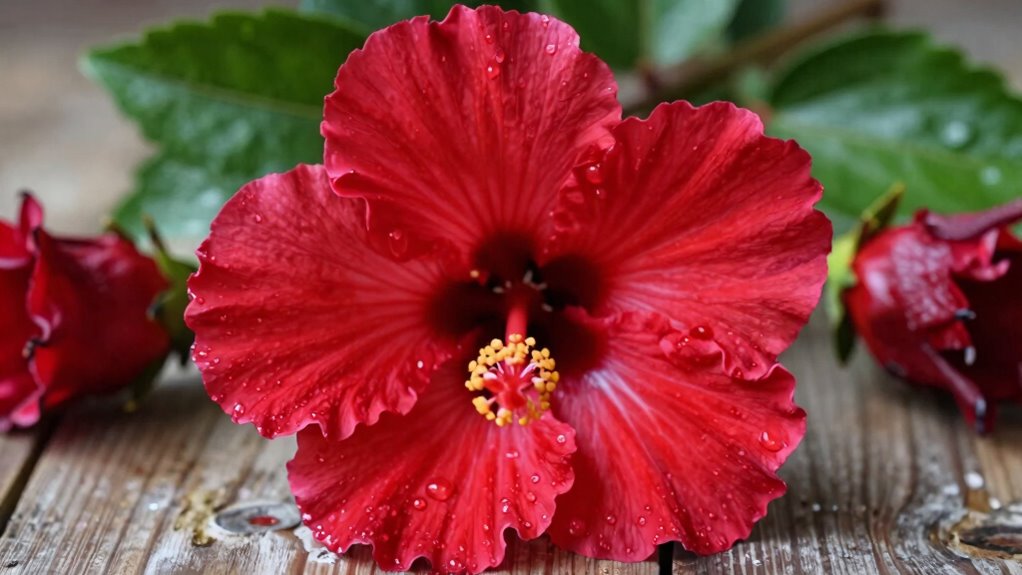

Hibiscus tea is made from dried petals of the vibrant hibiscus flower, known for its tangy flavor and bold, bright red color that symbolizes energy. It has been cherished for centuries in cultures worldwide, serving as a symbol of community, strength, and tradition. The drink offers health benefits like lowering blood pressure and providing antioxidants. Its rich heritage combines herbal wellness with cultural rituals—if you continue, you’ll discover more about its fascinating story.

Get coffee and tea gear delivered free with Prime
- Fast, free delivery on millions of items
- Prime Video, Amazon Music and more included
- Member-only deals all year
Key Takeaways
- Hibiscus tea is made from dried hibiscus petals, known for its vibrant color and tangy flavor.
- It has traditional medicinal uses, including lowering blood pressure and providing antioxidants.
- Culturally, it symbolizes vitality and community in regions like Africa and Latin America.
- Historically, it has been used in rituals and as a symbol of resilience and strength.
- Modern trends merge its health benefits with cultural heritage, making it a holistic wellness beverage.
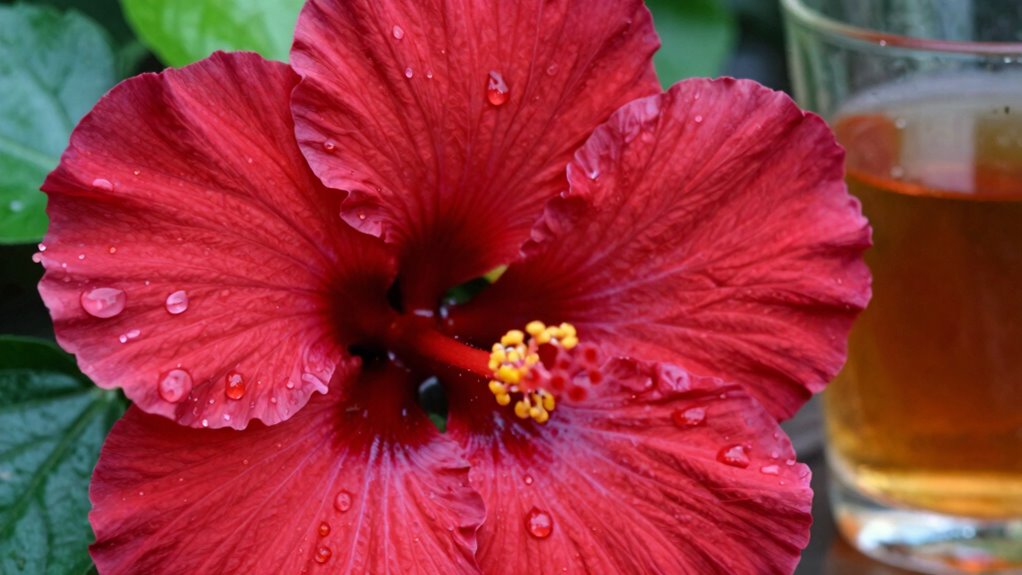
Hibiscus tea is a vibrant, tangy beverage made from the dried petals of the hibiscus flower, and it’s become popular worldwide for its bold flavor and potential health benefits. When you sip on this invigorating drink, you’re not just enjoying a tasty beverage—you’re also tapping into a long history of herbal benefits that date back centuries. For centuries, many cultures have valued hibiscus tea for its natural ability to support health, from lowering blood pressure to providing antioxidants that combat free radicals. Its herbal benefits are well-documented, making it a favorite among those seeking natural remedies. Beyond its health perks, hibiscus tea holds a deep cultural significance in numerous regions. In parts of Africa, the tea is a symbol of community and celebration, often served during special gatherings and ceremonies. In Mexico, it’s known as “agua de Jamaica” and is a staple at family meals, embodying a sense of tradition and togetherness. The vibrant red color of the tea is often associated with life and vitality in many cultures, and its preparation and consumption are woven into cultural practices and rituals. When you make hibiscus tea, you’re participating in a tradition that spans continents and centuries, connecting you to a rich tapestry of cultural stories. Many communities also view hibiscus as more than just a drink; it’s a symbol of health, strength, and resilience. The significance extends beyond social rituals—it’s often used in traditional medicine, where the herbal benefits of hibiscus are believed to help with digestion, boost immune health, and even improve skin. traditional medicine practices emphasize the importance of natural ingredients and holistic approaches to health, further elevating the cultural value of hibiscus. Additionally, the preparation techniques of hibiscus tea often involve fresh or dried petals, which highlights the importance of using natural ingredients in herbal remedies. This traditional approach ensures that the full spectrum of herbal benefits is preserved and maximized. Incorporating cultural significance into daily routines enhances the appreciation of hibiscus tea beyond its taste and health properties. It is also interesting to note that research studies have supported many of the health claims associated with hibiscus, adding scientific credibility to its traditional uses. This cultural importance amplifies the appeal of hibiscus tea, making it more than just a modern health trend. Instead, it becomes a way to honor ancestral practices while enjoying its bold, tart flavor. As you explore hibiscus tea further, you’ll notice how its herbal benefits and cultural significance intertwine, giving each cup a sense of history and meaning. Whether you’re drinking it for its health perks or to connect with a cultural tradition, hibiscus tea offers a unique experience that blends wellness and heritage. Its fiery hue and tangy taste serve as a reminder of the natural world’s ability to provide nourishment and cultural richness, making each sip a small celebration of history and health combined.
As an affiliate, we earn on qualifying purchases.
Frequently Asked Questions
Is Hibiscus Tea Safe During Pregnancy?
Hibiscus tea isn’t generally recommended during pregnancy because herbal warnings suggest it might stimulate menstruation or cause contractions. While many see it as a natural remedy, it’s best to consult your healthcare provider before drinking it. Some women find it safe in moderation, but caution is key. To protect your pregnancy, stick to approved natural remedies and avoid hibiscus tea unless your doctor says otherwise.
Can Hibiscus Tea Help Lower Blood Pressure?
Hibiscus tea can effectively lower blood pressure, thanks to its potent hibiscus antioxidants, which act like natural superheroes in your bloodstream. When you prepare this tea, you release these beneficial compounds, making it a delicious, health-boosting beverage. Regularly drinking Hibiscus tea may help manage hypertension, but remember to consult your healthcare provider first. Proper tea preparation guarantees you maximize its health benefits while enjoying its vibrant flavor.
Does Hibiscus Tea Contain Caffeine?
Hibiscus tea doesn’t naturally contain caffeine, so it’s a great choice if you want a caffeine-free beverage. Its flavor profiles are tangy, tart, and slightly fruity, making it invigorating. When brewing, use hot water and steep the dried flowers for about 5-10 minutes to extract the vibrant color and flavor. You can sweeten it or add citrus for extra zest, enjoying a flavorful, caffeine-free drink anytime.
How Does Hibiscus Tea Affect Blood Sugar Levels?
Hibiscus tea helps balance blood sugar levels by boosting blood sugar regulation, thanks to its powerful hibiscus antioxidants. You might notice a noticeable decrease in blood sugar spikes after sipping this soothing, scarlet brew. As you enjoy hibiscus tea regularly, its antioxidant properties work actively to support your body’s ability to stabilize blood sugar. Incorporate it into your routine to promote better blood sugar management naturally and enjoy the benefits of this vibrant, health-boosting beverage.
Are There Any Potential Drug Interactions With Hibiscus Tea?
Yes, hibiscus tea can interact with certain medications. You might experience herbal interactions that affect how your body processes drugs, especially those for blood pressure or diabetes. Hibiscus can also influence medication absorption, potentially reducing or enhancing drug effectiveness. To stay safe, it’s best to consult your healthcare provider before adding hibiscus tea to your routine, particularly if you’re on prescription medication.
Conclusion
As you sip your vibrant hibiscus tea, imagine the deep crimson petals blooming in your cup, their tart aroma awakening your senses. With each sip, you’re transported to lush tropical gardens where the flowers sway in warm breezes. This centuries-old brew isn’t just a drink—it’s a journey through history and nature’s artistry. So, next time you enjoy hibiscus tea, remember the rich story behind its vibrant color and bold flavor, a true taste of tradition.
Halloween Picks
halloween
As an affiliate, we earn on qualifying purchases.