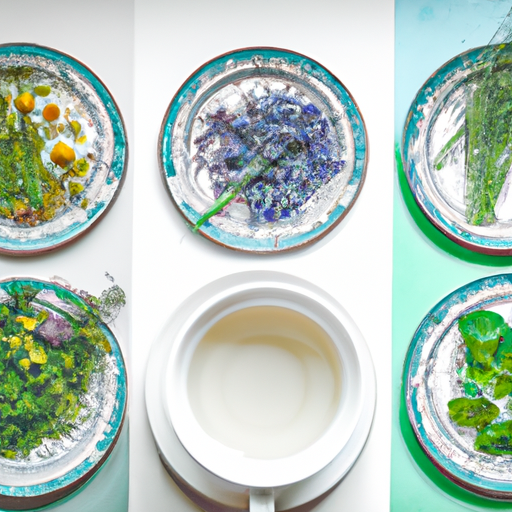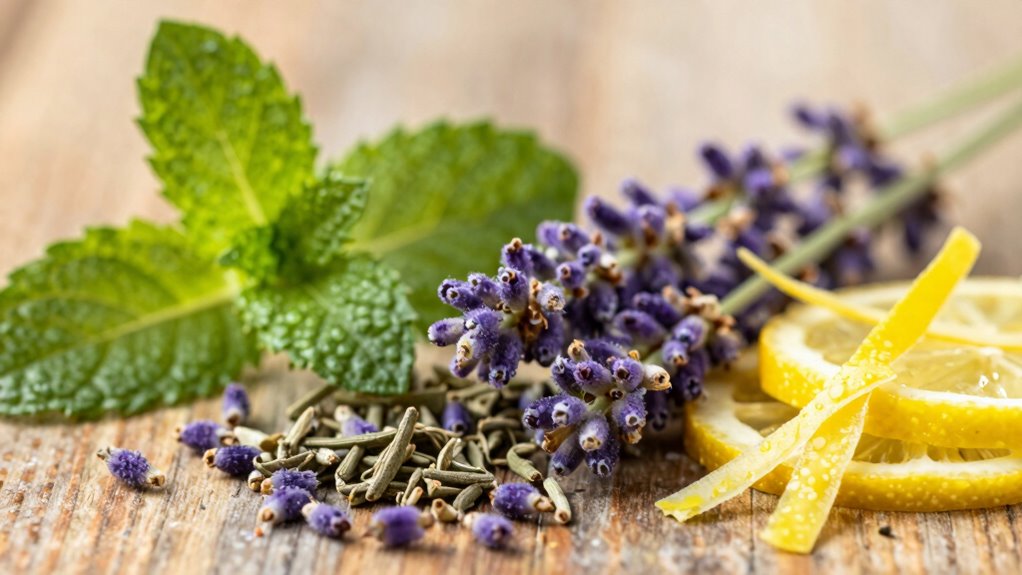

Herbal teas deserve a closer look because they offer more than just soothing flavors; they’re packed with antioxidants, anti-inflammatory compounds, and natural nutrients that support your immune system, digestion, and stress relief. Different blends, like chamomile, peppermint, or matcha, carry unique health benefits rooted in rich traditions. Exploring their cultural significance reveals their role in history, social rituals, and holistic wellness. Keep exploring to discover how these herbal teas connect health, culture, and tradition in everyday life.

Get coffee and tea gear delivered free with Prime
- Fast, free delivery on millions of items
- Prime Video, Amazon Music and more included
- Member-only deals all year
Key Takeaways
- Herbal teas provide scientifically supported health benefits, including antioxidants and immune support.
- They hold cultural significance, reflecting traditions, rituals, and societal values across various cultures.
- Each herbal tea offers targeted natural remedies, promoting relaxation, digestion, and stress relief.
- Exploring herbal teas deepens understanding of their historical and spiritual roles in different societies.
- They serve as meaningful symbols of heritage, wellness, and cultural identity beyond just flavor.
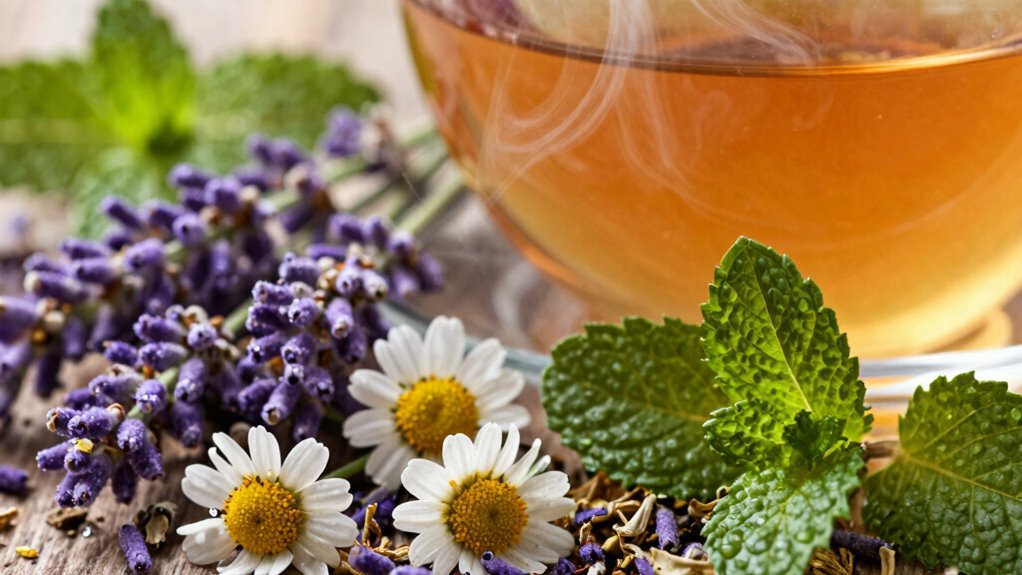
Herbal teas have long been enjoyed for their comforting flavors and perceived health benefits, but many people overlook their true potential. Beyond simply warming your hands on a chilly day, herbal teas are packed with properties that can boost your well-being. They contain antioxidants, anti-inflammatory compounds, and natural nutrients that support your immune system, improve digestion, and promote relaxation. For example, chamomile is known for calming anxiety and aiding sleep, while peppermint can soothe an upset stomach. These health benefits aren’t just marketing hype—they’re backed by scientific research, highlighting herbal teas as a natural, accessible way to enhance your health.
Herbal teas are natural remedies packed with antioxidants and nutrients that boost immunity, soothe digestion, and promote relaxation.
But their importance goes beyond individual health. Herbal teas carry a deep cultural significance that spans centuries and continents. Different cultures have used these infusions in traditional medicine, spiritual rituals, and social gatherings. In China, herbal teas are integral to holistic health practices, often tailored to balance the body’s energy and treat specific ailments. In Morocco, mint tea isn’t just a beverage; it’s a symbol of hospitality and community, shared among family and friends during special occasions. In Japan, matcha (a powdered green tea) is woven into tea ceremonies that emphasize mindfulness, respect, and harmony. These cultural practices reflect a reverence for herbal teas that goes far beyond their flavor—these drinks embody history, tradition, and identity. Understanding the cultural significance of herbal teas can deepen your appreciation for each cup.
Understanding the cultural significance of herbal teas can deepen your appreciation for each cup. It connects you to a rich tapestry of stories and customs, reminding you that these teas have been treasured for generations. They’re not just beverages but symbols of wellness, hospitality, and spiritual connection. Exploring herbal tea traditions can reveal how different societies have embraced these drinks as part of their cultural fabric. Incorporating herbal teas into your routine can be a way to honor those traditions, even as you enjoy their modern health benefits. Additionally, recognizing the historical role of herbal teas enhances your understanding of their enduring popularity across different eras. As new innovations in surveillance and spy technology emerge, the preservation of traditional practices like herbal tea rituals offers a reminder of the enduring value of cultural heritage. Whether you’re sipping on a calming chamomile before bed or sharing a glass of mint tea with friends, you participate in a centuries-old practice that fosters connection and well-being.
In essence, herbal teas deserve a closer look because they blend health benefits with cultural depth. They’re more than just a cozy drink—they’re a link to history, a natural remedy, and a means of cultural expression. Exploring the cultural significance of herbal teas can enrich your understanding of their historical and social roles. By exploring their uses and significance, you gain a richer understanding of their value. So, next time you brew a cup, consider the wellness and tradition behind each sip. You might find yourself appreciating herbal teas not only for their flavor but also for the meaningful role they play in cultures worldwide.
Products Worth Considering

De'Longhi Dinamica Plus Fully Automatic Espresso Machine

Vitamix Propel Series 750 Professional-Grade Blender, 4 Programs, Black

Cuisinart Portable Tabletop Propane Patio Heater, 11,000 BTU, Red
As an affiliate, we earn on qualifying purchases.
Frequently Asked Questions
Are Herbal Teas Safe for Children and Pregnant Women?
Herbal tea safety varies, especially for children and pregnant women. You should avoid giving them regular herbal teas without consulting a healthcare professional because some herbs can cause allergic reactions or interfere with medications. Look for child-friendly herbal teas that are specifically formulated for kids and safe during pregnancy. Always read labels and consider natural, gentle options. When in doubt, ask your doctor to verify herbal teas are safe for your specific situation.
How Do Herbal Teas Interact With Medications?
Herbal tea interactions can affect medication safety, so you should be cautious. Certain herbs may enhance or inhibit how your medications work, leading to unexpected side effects or reduced effectiveness. Always check with your healthcare provider before drinking herbal teas if you’re on medication. Being aware of potential herbal tea interactions helps you enjoy their benefits safely, ensuring your treatments stay effective and your health remains protected.
Can Herbal Teas Replace Medical Treatment?
Herbal teas can’t replace medical treatment, but they offer valuable benefits like relaxation, antioxidants, and immune support. With various herbal tea varieties such as chamomile, peppermint, and ginger, you can enjoy natural remedies alongside your healthcare plan. However, always consult your doctor before relying solely on herbal teas, especially if you have health conditions or take medications. They’re a great supplement but shouldn’t substitute professional medical advice.
What Are the Best Herbal Teas for Specific Health Issues?
For specific health issues, you should consider herbal tea varieties like chamomile for relaxation, peppermint for digestion, and ginger for inflammation. These herbal infusion benefits help soothe your stomach, reduce stress, and boost immunity naturally. By choosing the right herbal teas tailored to your needs, you harness the power of nature’s remedies. Incorporate these herbal infusions into your routine and experience their targeted health benefits daily.
How Should Herbal Teas Be Stored to Maintain Freshness?
To maintain tea freshness, store herbal teas in airtight containers away from light, heat, and moisture. Use glass or metal tins instead of plastic, and keep them in a cool, dark place. Proper storage techniques prevent exposure to air and humidity, which can degrade flavor and potency. Make sure the lid is sealed tightly after each use, so your herbal teas stay fresh and flavorful for longer.
Conclusion
Just as a single leaf can reveal a world of healing, herbal tea invites you to explore nature’s quiet wisdom. By embracing its subtle complexities, you open a door to balance and renewal—an ancient symbol of harmony in a hectic world. So, take a moment to sip slowly; within that simple ritual lies a promise of serenity and strength, waiting to be uncovered. Herbal tea isn’t just a drink—it’s a gentle reminder of nature’s profound power.