
Herbal tea influences modern tea culture by making it more mindful, health-focused, and social. You’re encouraged to slow down, savor each sip, and turn simple moments into calming rituals that promote wellness. Sharing herbal infusions fosters connections and community, while an emphasis on natural and sustainable ingredients aligns with eco-conscious values. If you want to explore how these trends shape today’s tea practices and lifestyle, there’s more to discover below.

Get coffee and tea gear delivered free with Prime
- Fast, free delivery on millions of items
- Prime Video, Amazon Music and more included
- Member-only deals all year
Key Takeaways
- Herbal teas transform daily routines into mindful, calming rituals, emphasizing intentional and social tea-drinking experiences.
- They shift tea from traditional consumption to a focus on wellness, self-care, and natural health remedies.
- Sharing herbal infusions enhances social bonds and community building centered around health-conscious practices.
- Herbal tea culture integrates holistic wellness, promoting relaxation, detoxification, and herbal ingredient knowledge.
- The emphasis on sustainability and natural sourcing aligns herbal teas with eco-friendly lifestyles and environmental responsibility.
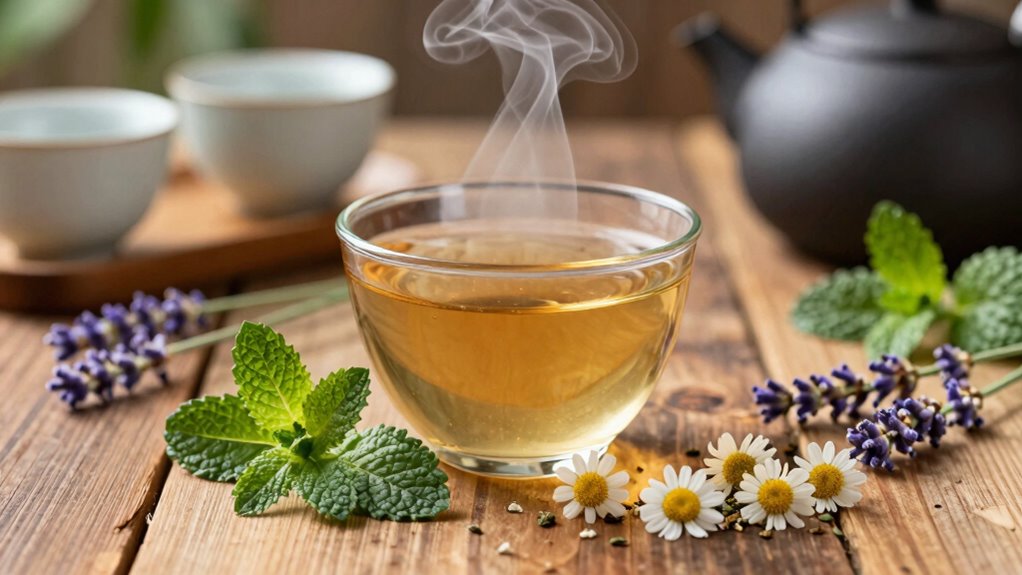
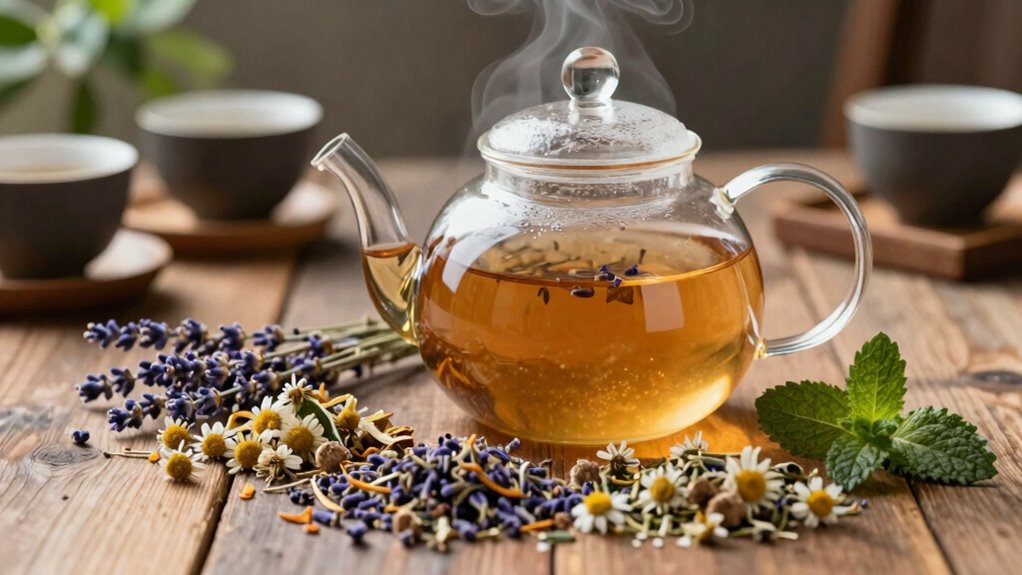
Herbal tea has gained popularity not just for its diverse flavors but also for its perceived health benefits, making it an essential part of modern tea culture. As you explore different types of herbal infusions, you’ll notice how they influence your daily routines and social interactions. Many people incorporate herbal teas into their tea rituals, turning simple moments into calming, intentional practices. Whether you’re brewing chamomile before bed or sipping peppermint during a busy afternoon, these rituals create a sense of mindfulness and comfort that’s become central to contemporary tea-drinking habits.
Herbal teas shape daily routines and social moments into calming, mindful practices.
The health benefits of herbal teas are a major reason why they’ve become so embedded in modern culture. Unlike traditional black or green teas, herbal varieties are often caffeine-free, making them suitable for any time of day. You might choose ginger tea to soothe digestion or echinacea to boost your immune system. These perceived health benefits encourage you to view herbal tea as more than just a beverage — it’s a natural remedy that supports your well-being. This mindset has transformed the way you approach tea, emphasizing wellness and self-care rather than just flavor or tradition.
Herbal teas have also influenced social customs and the way you connect with others. Sharing a cup of herbal infusion can be a thoughtful gesture, fostering conversations about health and lifestyle. It’s common to see herbal tea tastings or themed gatherings where each person introduces their favorite blends, creating a sense of community rooted in health-conscious choices. This shift toward more intentional tea consumption encourages you to slow down and savor each sip, turning a simple act into a meaningful experience. Additionally, the holistic wellness movement has further popularized herbal infusions as part of a balanced lifestyle.
Moreover, herbal teas have inspired a broader movement toward holistic wellness. You might find yourself exploring herbal blends designed for relaxation, energization, or detoxification, integrating them into your daily routine. As you become more aware of the herbal ingredients and their benefits, your appreciation for these teas deepens. They influence your understanding of health beyond conventional medicine, emphasizing natural remedies and preventive care. Recognizing the environmental impact of herbal sourcing can encourage more sustainable choices and deepen your connection to nature. This perspective has helped shape modern tea culture into a lifestyle centered around self-awareness and mindful consumption, where sustainable practices are increasingly valued. Herbal tea’s health benefits continue to drive its popularity as part of a holistic approach to wellness.
Products Worth Considering

Ninja Foodi DZ201 8-Quart DualZone 6-in-1 Air Fryer

Traeger Woodridge Pro Wood Pellet Grill and Smoker, 970 sq. in., WiFIRE

Ninja Artisan 5-in-1 Portable Electric Pizza Oven, Blue & Gold
As an affiliate, we earn on qualifying purchases.
Frequently Asked Questions
How Do Herbal Teas Differ From Traditional Teas in Production?
Herbal teas differ from traditional teas primarily in production because they involve herbal tea cultivation, which uses dried herbs, flowers, and roots instead of tea leaves. You’ll notice more flavor variation since herbal ingredients can be combined in countless ways, creating diverse tastes. Unlike traditional teas that rely on fermentation or oxidation, herbal teas are usually steeped directly from dried herbs, making their production simpler and more flexible.
Are There Specific Health Benefits Unique to Herbal Teas?
Yes, herbal teas offer unique health benefits thanks to their herbal infusion and medicinal properties. When you drink herbal teas like chamomile or ginger, you may find relief from stress, digestion issues, or inflammation. Unlike traditional teas, they don’t contain caffeine but provide natural remedies. Their medicinal properties make herbal infusions popular for promoting relaxation, boosting immunity, and improving overall well-being, enhancing modern tea culture with holistic health options.
How Has Herbal Tea Influenced Global Tea Ceremonies?
You might be surprised that herbal infusions now make up over 60% of tea consumption worldwide. Herbal tea has deeply influenced global tea ceremonies through cultural adaptation, blending traditional rituals with new flavors. This infusion promotes mindfulness and relaxation, shaping modern practices. As cultures incorporate herbal infusions, they create unique ceremonies that honor health, tradition, and innovation, making herbal tea a versatile and cherished element in global tea culture.
What Are Popular Herbs Used in Modern Herbal Tea Blends?
You’ll find popular herbs like chamomile, peppermint, and ginger in modern herbal tea blends. These herbs offer distinct flavor profiles—calming, invigorating, or spicy—that appeal to diverse tastes. Using herbal infusion techniques, you can maximize their flavors and health benefits. Experimenting with different herbs lets you craft personalized blends, blending tradition with innovation, and shaping today’s vibrant tea culture.
Can Herbal Teas Replace Conventional Beverages in Daily Routines?
You might wonder if herbal teas can truly replace your daily drinks. The answer is yes, thanks to their flavor versatility and caffeine alternatives. These teas offer unique tastes and calming effects, making them compelling substitutes for coffee or soda. As you explore herbal options, you could discover a new routine that energizes or relaxes you naturally—transforming your daily beverage experience into something healthier and more satisfying.
Conclusion
As you embrace herbal teas, you become part of a timeless dance between tradition and innovation. These vibrant infusions, like whispers from the past, breathe new life into modern tea culture. They remind you that, just like a garden’s bloom, our appreciation for tea continuously evolves, rooted in history yet reaching for the future. So, sip with intention—because in each cup, you’re weaving your own thread into the endless tapestry of tea’s story.