
The real story behind green tea reveals a rich history shaped by centuries of regional traditions, careful cultivation, and specific processing methods. Your experience depends on factors like where it’s grown, how the leaves are harvested, and whether they’re steamed or pan-fired. These details influence flavor, aroma, and health benefits. Exploring green tea’s background uncovers a fascinating blend of culture, geography, and craftsmanship that makes each cup unique—if you keep exploring, you’ll discover even more intriguing insights.

Get coffee and tea gear delivered free with Prime
- Fast, free delivery on millions of items
- Prime Video, Amazon Music and more included
- Member-only deals all year
Key Takeaways
- Green tea’s flavor and quality are shaped by specific cultivation practices, including leaf selection and harvest timing.
- Regional differences, such as Japanese matcha versus Chinese Longjing, influence taste, processing, and cultural significance.
- Post-harvest processing methods like steaming or pan-firing create distinct flavor profiles and preserve antioxidants.
- Climate and geography significantly impact the flavor, aroma, and overall characteristics of green tea.
- Green tea’s rich history reflects regional craftsmanship, traditional techniques, and cultural heritage.
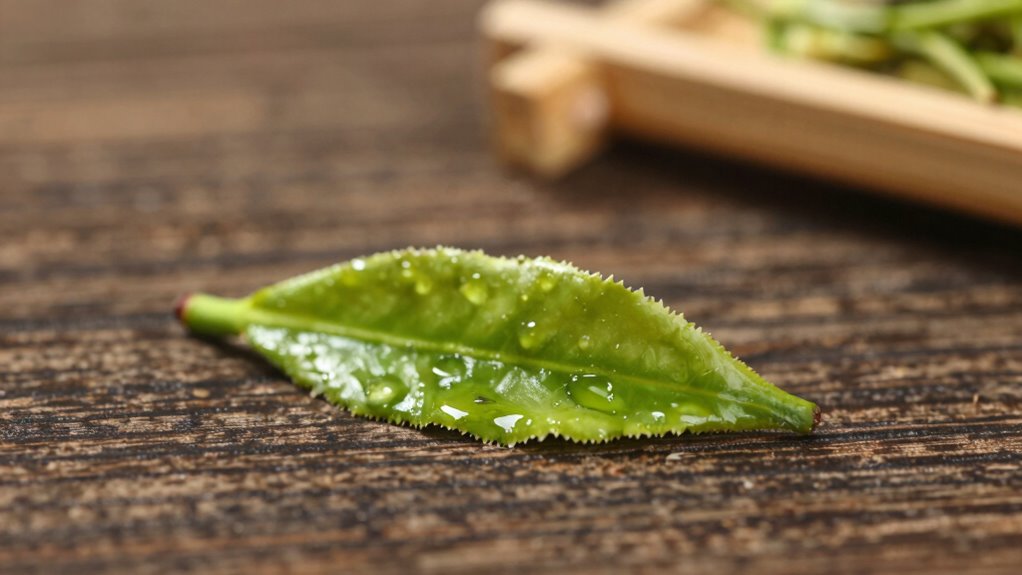
Green tea has long been celebrated as a health elixir, but there’s more to its story than just reputation. When you explore the world of green tea, you discover a rich history rooted in centuries of tea cultivation. The process begins with the careful selection of tea leaves, often from Camellia sinensis plants, grown in specific climates that influence the flavor and quality of the final product. You’ll find that tea cultivation isn’t just about planting tea bushes; it involves precise techniques like shading certain plants to boost chlorophyll content or adjusting harvest times to capture the freshest leaves. These practices directly impact the green tea varieties you enjoy, shaping their taste profiles, aroma, and health benefits.
Green tea cultivation involves careful leaf selection, shading, and timing to shape flavor, aroma, and health benefits.
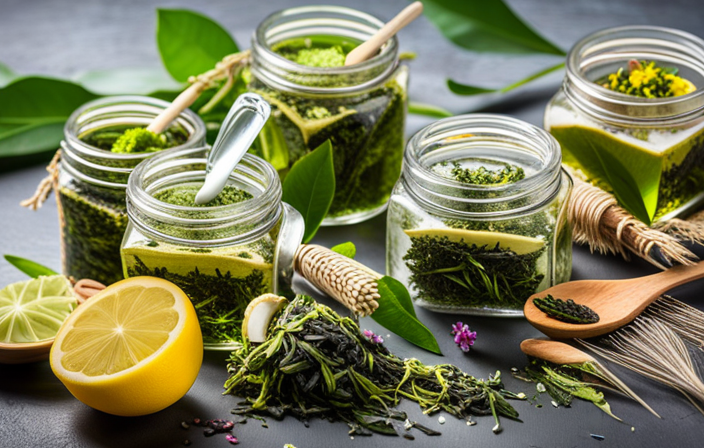
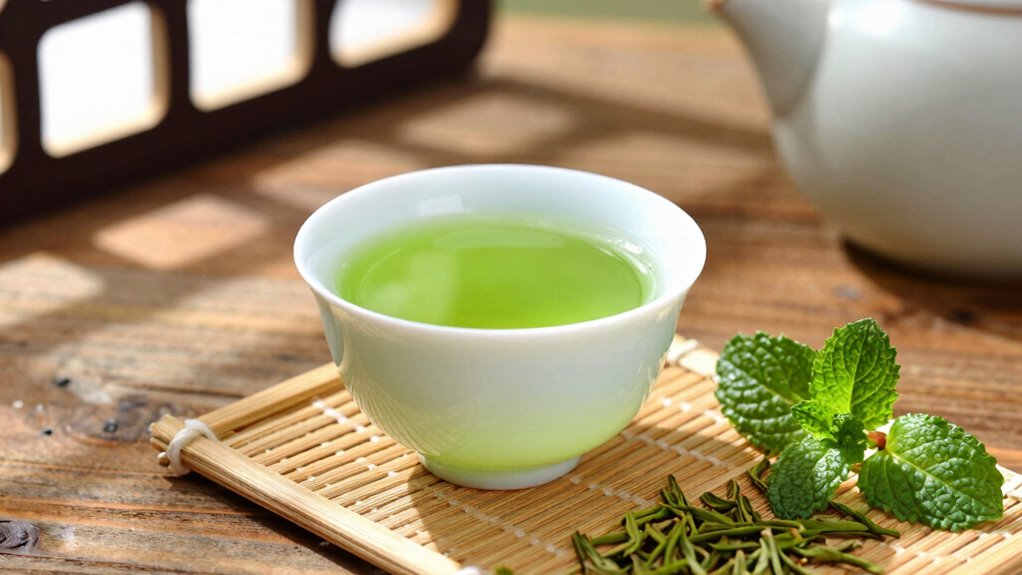
As you investigate different green tea varieties, you notice how each offers a unique experience. Some, like Japanese matcha, are ground into fine powders, offering a rich, umami flavor and a vibrant green hue. Others, such as Chinese Longjing, boast a more delicate, nutty taste with a slightly sweet finish. The differences are often rooted in the region of cultivation, the processing methods used, and the specific cultivar of the tea plant. You might find yourself appreciating the subtle nuances that come from shade-grown leaves versus those that are sun-exposed. Recognizing these distinctions helps you understand that green tea isn’t a single, uniform beverage but a diverse spectrum of flavors, textures, and aromas.
The journey from tea cultivation to your cup involves meticulous steps. After harvesting, green tea leaves are quickly steamed or pan-fired to prevent oxidation, preserving their green color and fresh flavor. This process varies between regions, resulting in unique green tea varieties that reflect local traditions. For example, Japanese green teas emphasize steaming, which yields a grassy, vegetal profile, while Chinese green teas focus more on pan-firing, producing a toasty note. By understanding these differences, you gain insight into the artistry and craftsmanship behind each brew. Additionally, the climate and geography of the cultivation area play a crucial role in shaping the final characteristics of green tea. Moreover, the cultivation techniques used can further enhance specific qualities of the tea leaves, making each batch distinct. Exploring different processing methods also reveals how traditional approaches influence flavor and aroma profiles, adding to the rich diversity of green teas.
Ultimately, the story of green tea is one of tradition, geography, and careful cultivation. When you choose a particular green tea variety, you’re not just selecting a drink—you’re experiencing a product shaped by centuries of expertise and regional influence. Whether you prefer the grassy notes of Japanese matcha or the mellow richness of Chinese Longjing, knowing how tea cultivation and the specific green tea varieties come together enriches your appreciation and deepens your connection to this ancient beverage.
Japanese matcha green tea powder
As an affiliate, we earn on qualifying purchases.
As an affiliate, we earn on qualifying purchases.
Frequently Asked Questions
How Does Green Tea Compare to Other Antioxidant-Rich Beverages?
Green tea is a top antioxidant-rich beverage, offering a delicate, grassy flavor profile that many enjoy. Compared to others like berries or red wine, green tea has a milder taste and lower sugar content. Its cultural significance in countries like Japan and China adds depth to the experience. You’ll find it revitalizing and beneficial, making it a smart choice to boost your antioxidant intake while appreciating its unique flavor and cultural roots.
Are There Any Potential Side Effects From Drinking Green Tea Regularly?
Drinking green tea regularly can cause side effects if you’re caffeine sensitive or prone to stomach irritation. You might experience headaches, insomnia, or increased heart rate if caffeine affects you. Also, high consumption may lead to stomach discomfort or acid reflux. To avoid these issues, limit your intake and pay attention to how your body responds. If you notice adverse effects, consider reducing your green tea consumption or consulting a healthcare professional.
What Are the Best Brewing Methods to Maximize Green Tea Benefits?
You might stumble upon the perfect brew by paying attention to tea temperature and steeping time. To maximize benefits, steep green tea at around 160-180°F for 2-3 minutes—hot enough to release antioxidants but not so hot that it turns bitter. A coincidental discovery reveals that precise timing and temperature reveal the most health benefits, making each sip more soothing and nourishing, just as nature intended.
Can Green Tea Help With Weight Loss or Metabolism?
Green tea can support weight loss and boost your metabolism thanks to its antioxidants, particularly catechins, which may increase calorie burning. While some weight loss claims are exaggerated, incorporating green tea into your routine can complement a healthy diet and exercise plan. Drinking it regularly might help you shed a few pounds, but remember, it’s not a miracle cure—consistent healthy habits work best.
Is Organic Green Tea More Beneficial Than Non-Organic?
Think of organic green tea as a carefully tended garden, where each leaf is nurtured without synthetic chemicals. Organic certification guarantees you’re getting tea from sustainable tea cultivation practices, which may offer higher antioxidant levels and fewer pesticides. While non-organic green tea isn’t necessarily inferior, choosing organic can boost your health benefits and support eco-friendly farming. So, yes, organic green tea tends to be more beneficial for both your body and the planet.
Conclusion
Now that you know the true story behind green tea, you see it’s more than just a simple brew—it’s a delicate dance of history, health, and tradition. Like a hidden gem waiting to be discovered, this ancient elixir invites you to savor its secrets with every sip. So, embrace green tea as a trusted companion on your journey toward wellness, and let its timeless story inspire your daily ritual, turning each cup into a small, yet powerful, act of self-care.
Fall Picks
fall essentials
As an affiliate, we earn on qualifying purchases.