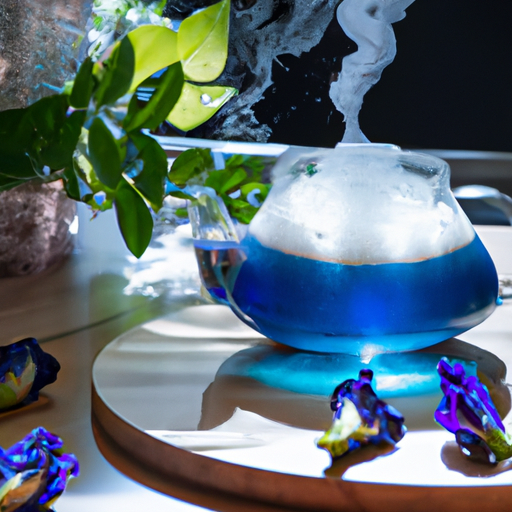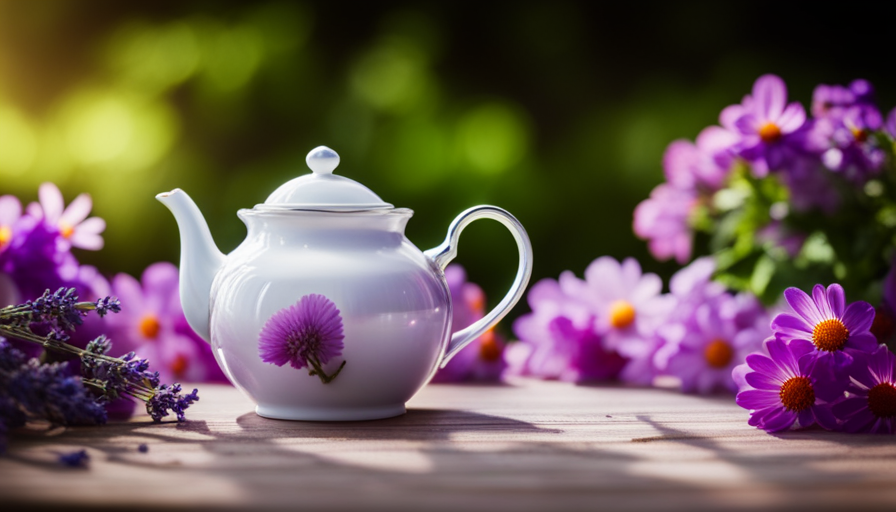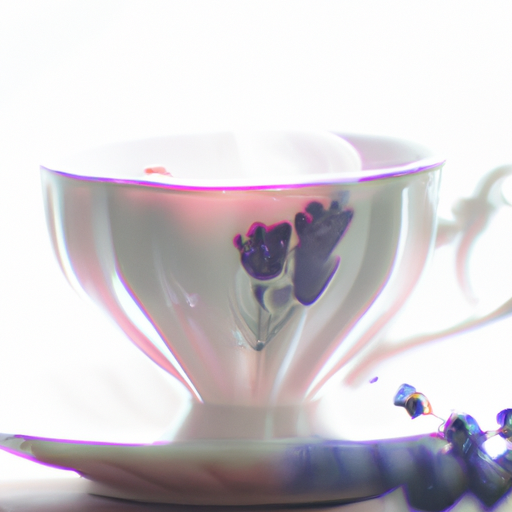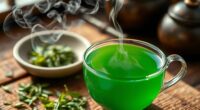
Flower tea is often mistaken as just decorative or a modern craze, but it actually has deep cultural roots and significant health benefits. Traditional practices have used flower teas like jasmine and chrysanthemum for centuries, showing they support immunity and eye health. Scientific studies back up these benefits, emphasizing their natural healing properties. Understanding these myths and facts helps you appreciate flower tea beyond its appearance. Keep exploring to learn how this ancient beverage can enhance your wellness routine.
Key Takeaways
- Flower teas are often mistaken for just decorative drinks, but they have deep cultural roots and health benefits.
- Their traditional preparation techniques and historical use highlight their cultural significance beyond aesthetic appeal.
- Common herbal benefits include antioxidants like in jasmine tea and soothing properties such as chrysanthemum for headaches.
- Scientific research and centuries of traditional use validate the health-promoting properties of flower teas.
- Drinking flower teas connects to cultural heritage, emphasizing natural harmony, wellness, and social bonding.

Have you ever wondered if flower teas are just pretty drinks or if they offer real health benefits? The truth is, these vibrant infusions have been cherished for centuries, not just for their visual appeal but also for their herbal benefits and deep cultural significance. Many people believe flower teas are simply decorative, but history and research show they can be powerful allies for your health. For example, jasmine tea is renowned for its antioxidants, which help combat free radicals and support your immune system. Similarly, chrysanthemum tea has been used traditionally to soothe headaches, reduce inflammation, and promote eye health. These herbal benefits aren’t just modern myths; they stem from centuries of use in various cultures that value natural remedies. Additionally, the preparation and presentation of flower teas often involve traditional techniques, emphasizing their cultural importance and authentic healing properties. These cultural practices reveal how flower teas transcend mere beverages—they’re woven into the fabric of social and spiritual life. When you sip on a flower tea, you’re participating in a tradition that’s been passed down through generations, connecting you to a heritage that values natural harmony and wellness.
Frequently Asked Questions
Can Flower Tea Help With Weight Loss?
Flower tea can aid with weight loss by boosting your metabolism and reducing cravings, thanks to its herbal benefits. Its flavor profiles are often soothing and aromatic, making it a pleasant addition to your diet. While it’s not a miracle cure, incorporating flower tea into your routine can support your weight management efforts, especially when combined with a balanced diet and regular exercise.
Is Flower Tea Safe for Pregnant Women?
Flower tea is generally not recommended for pregnant women because it’s an herbal infusion that could contain ingredients not tested for pregnancy safety. You should always consult your healthcare provider before drinking any herbal teas during pregnancy. Some flowers may cause allergic reactions or contractions. To stay safe, stick with approved drinks and avoid herbal infusions unless your doctor confirms they’re safe for pregnancy.
How Long Does Flower Tea Last Before Spoiling?
Your flower tea won’t last forever—typically, it stays fresh for about 6 to 12 months if stored properly. Keep it in an airtight container away from sunlight, moisture, and heat. Watch for spoilage indicators like a strange smell, mold, or discoloration, which mean it’s time to toss it. Proper storage dramatically extends its shelf life, ensuring you enjoy its delicate flavors before it spoils and loses its charm.
Are There Any Flower Teas Suitable for Children?
Yes, some flower teas are suitable for children, especially those labeled as child-friendly infusions. You should choose teas with gentle flavors and mild aromas that match their aroma preferences. Always make sure the tea is caffeine-free and free from any added ingredients that could cause allergies or stomach upset. Before offering flower tea to a child, consult with a healthcare professional to confirm it’s safe and appropriate for their age.
Does Flower Tea Contain Caffeine or Other Stimulants?
Most flower teas are naturally caffeine-free, making them a calming choice for many. Did you know that only some blends, like jasmine tea, contain caffeine? If you’re sensitive or avoiding stimulants, herbal alternatives like chamomile or rooibos are great options. Always check the label, as caffeine content can vary, but generally, flower teas are a soothing, stimulant-free way to enjoy a warm beverage.
Conclusion
Remember, knowledge is power, and questioning myths helps you enjoy flower tea even more. Don’t let misconceptions ruin your experience—trust what’s real and savor the delicate flavors. As the saying goes, “A little knowledge is a dangerous thing,” so keep learning and exploring. With the facts in mind, you can truly appreciate the beauty and benefits of flower tea, making every sip a delightful moment. Cheers to informed tea-drinking!