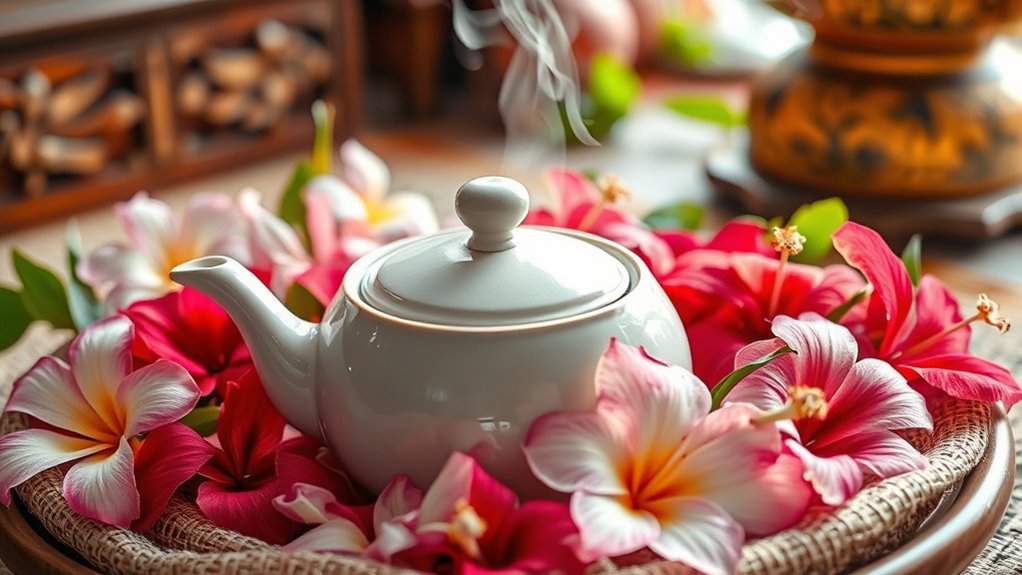
Flower tea holds deep cultural significance in many local traditions, symbolizing qualities like purity, harmony, and prosperity through each bloom. It’s often used in important rituals, festivals, and ceremonies to invoke blessings, celebrate milestones, or honor deities. Participating in these customs helps preserve cultural heritage and strengthens community bonds. The symbolic and spiritual aspects of flower tea add meaningful depth to everyday life, inviting you to explore how this ancient practice continues to shape traditions today.
Key Takeaways
- Flower tea symbolizes qualities like purity, harmony, and prosperity, reflecting deep botanical symbolism in cultural practices.
- Rituals involving flower tea are integral to festivals, weddings, and spiritual ceremonies, emphasizing tradition and mindfulness.
- Participating in flower tea ceremonies helps preserve cultural heritage and fosters social bonds within communities.
- Flower tea is used to mark personal milestones, conveying emotions and wishes through its symbolic floral elements.
- Engaging with flower tea deepens spiritual connection, reinforces cultural identity, and sustains collective tradition.
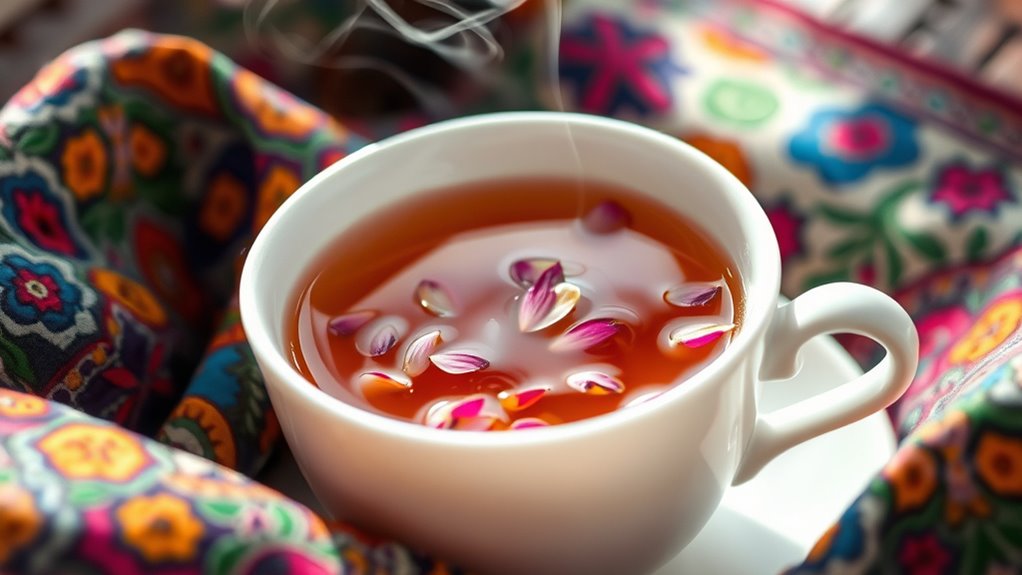
Flower tea has long been more than just a revitalizing beverage; it holds deep cultural significance across many Asian traditions. When you sip on it, you’re participating in centuries-old practices that go beyond taste, connecting you to a rich tapestry of symbolism and ritual. Each bloom used in flower tea carries its own botanical symbolism, representing qualities like purity, harmony, or prosperity. For example, jasmine often symbolizes grace and elegance, while chrysanthemum signifies longevity. These symbolic meanings are not just decorative; they influence how flower tea is integrated into various cultural practices, making your experience more meaningful. As you prepare or enjoy flower tea, you’re engaging in a form of communication with tradition, where each flower’s symbolism enhances the spiritual or social significance of the moment. Discovering the cultural roots of flower tea can deepen your appreciation for its role in cultural expression.
In many Asian cultures, ceremonial rituals involving flower tea are integral to important life events, festivals, and spiritual observances. When you participate in these rituals, you’re partaking in a collective act that reaffirms cultural values and social bonds. During a wedding, for instance, flower tea might be served as a symbol of good fortune and harmony. In religious ceremonies, certain flowers are selected to invoke blessings or honor deities. The ritualistic aspect of preparing and presenting flower tea emphasizes mindfulness and respect, transforming a simple act into a sacred gesture. These ceremonies often involve specific steps, such as precise brewing techniques or symbolic arrangements, which reflect centuries of tradition. By engaging in these rituals, you not only preserve cultural heritage but also foster a sense of community and shared identity.
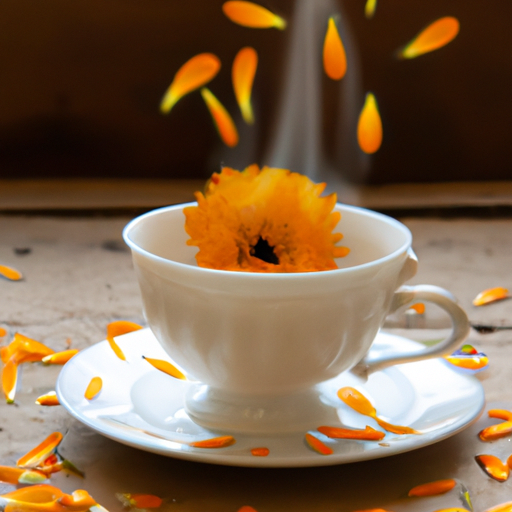
Furthermore, flower tea’s role in ceremonial rituals often extends to personal milestones. When you celebrate a birthday, a new beginning, or even mourning, flower tea becomes a vessel for expressing emotions and wishes. The act of offering or receiving flower tea during such moments embodies respect, gratitude, and hope. Its botanical symbolism amplifies these sentiments, turning an everyday beverage into a meaningful gesture that conveys deeper messages. Whether during a formal tea ceremony or a casual gathering, the inclusion of flowers enhances the spiritual atmosphere, creating a space where tradition and personal reflection intertwine. In this way, flower tea becomes more than a drink; it evolves into a ritual that nurtures cultural identity, spiritual connection, and emotional expression.
Frequently Asked Questions
How Is Flower Tea Traditionally Prepared in Different Regions?
You typically prepare flower tea through regional brewing techniques that highlight local traditions. During flower tea ceremonies, you might gently steep dried flowers like jasmine or chrysanthemum in hot water, often using specific teapots or cups. In some regions, you add sweeteners or herbs, while others focus on pure floral aroma. These methods emphasize the cultural importance and unique flavors, making each regional approach distinct and meaningful.
What Are the Health Benefits Associated With Flower Tea?
You’ll find that flower tea offers numerous health benefits, including aiding your herbal detox process and boosting your antioxidant properties. Drinking flower tea helps remove toxins from your body, supporting your overall health. Its natural antioxidants fight free radicals, which can cause aging and disease. Incorporate flower tea into your daily routine to enjoy these benefits while savoring its delicate, floral flavors that can also promote relaxation.
Which Flowers Are Most Commonly Used in Flower Tea?
You’ll find jasmine, chrysanthemum, rose, and osmanthus as the most common flowers used in flower tea. These botanical varieties are chosen for their aromatic qualities and floral symbolism, often representing purity, love, or good fortune. When brewing, you allow their natural essence to infuse, creating a fragrant, soothing beverage. Each flower’s unique properties and symbolism enhance your tea-drinking experience, connecting you to cultural traditions and natural beauty.
How Has Flower Tea Influenced Modern Tea Culture?
Flower tea has blossomed into modern tea culture, bringing a fresh aroma to traditional tea ceremonies. You now see more cafes incorporating floral elements, blending old customs with new trends. Its cultural symbolism, like harmony and renewal, resonates with today’s tea enthusiasts. This infusion of tradition and innovation keeps the tea scene vibrant, making the experience more than just a sip—it’s a celebration of nature’s beauty and cultural heritage.
Are There Any Specific Rituals Involving Flower Tea?
Yes, there are specific rituals involving flower tea. During tea ceremonies, you often see flower tea used to symbolize purity, harmony, and respect, reflecting its cultural symbolism. You might gently steep the flowers in hot water, appreciating their aroma and beauty before drinking. These rituals emphasize mindfulness and reverence, making flower tea a meaningful part of traditional ceremonies that celebrate nature and cultural values.
Conclusion
As you sip your flower tea, remember it’s more than just a drink—it’s a whisper of ancient traditions, a symbol of harmony and beauty passed down through generations. Like the delicate petals that bloom in your cup, your appreciation for this tradition helps keep cultural stories alive. Embrace this ritual, and you’ll find yourself connected to a timeless story, much like the garden of Eden, where nature’s elegance and human spirit entwine in perfect harmony.