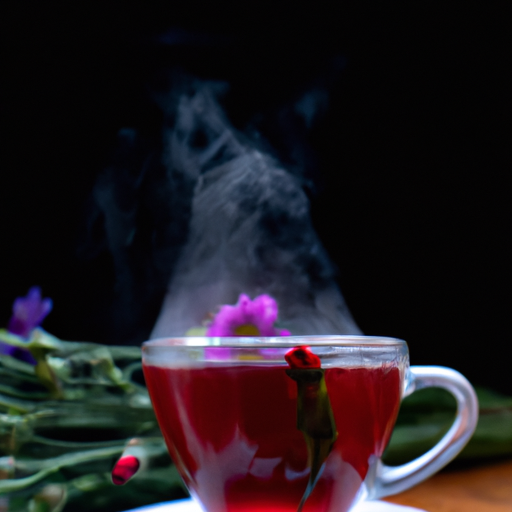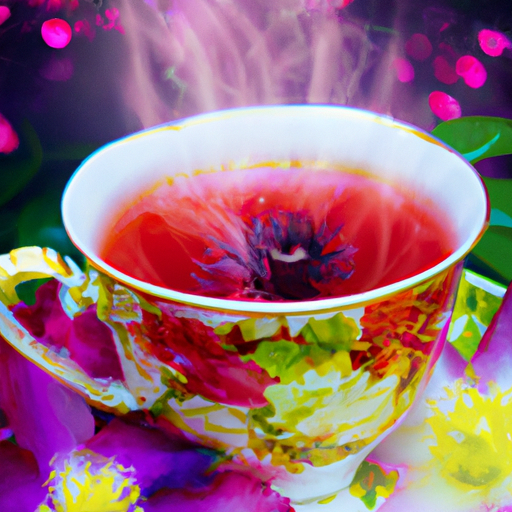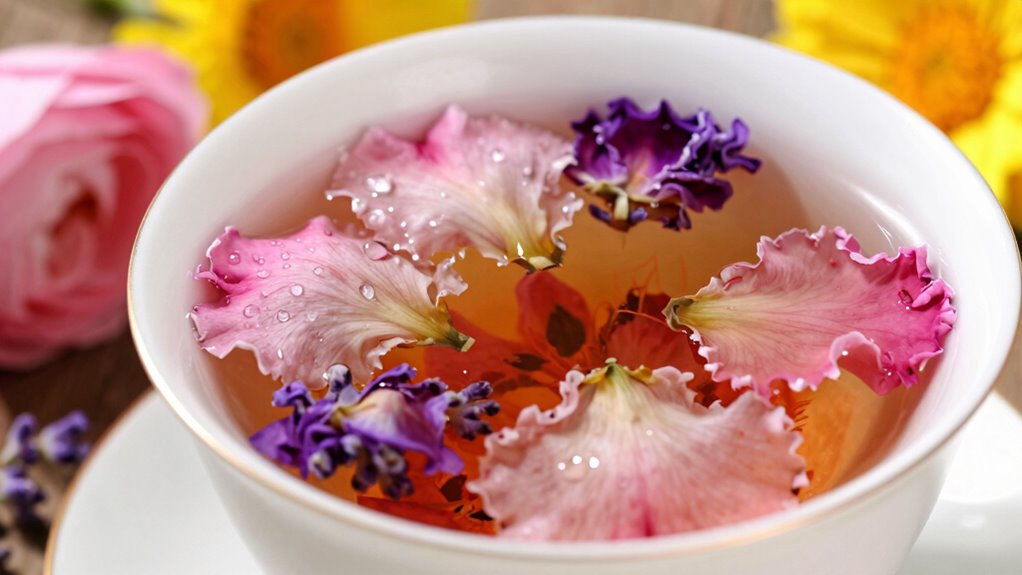

Flower tea deserves a closer look because it offers a delightful sensory experience with beautiful aromas and visual appeal, from petals unfurling in hot water to vibrant colors. It also carries cultural significance, symbolizing harmony, mindfulness, and hospitality across traditions. Plus, many flower teas provide natural health benefits like calming effects and support for eye health. If you keep exploring, you’ll discover even more about their craftsmanship, heritage, and eco-friendly practices that make these teas truly special.

Get coffee and tea gear delivered free — and shop member deals
- Fast, free delivery on millions of items
- Access to Prime Big Deal Days deals on October 6–7
- Prime Video, Amazon Music and more included
Key Takeaways
- Flower teas offer a multi-sensory experience through delicate flavors, beautiful aromas, and visual petals that enhance aesthetic appeal.
- They possess medicinal benefits like calming effects and support overall well-being naturally.
- Deeply embedded in cultural traditions, flower teas symbolize harmony, hospitality, and mindfulness.
- Their cultivation promotes environmentally sustainable practices and cultural heritage preservation.
- The intricate art of making flower teas reflects craftsmanship, cultural identity, and historical significance.
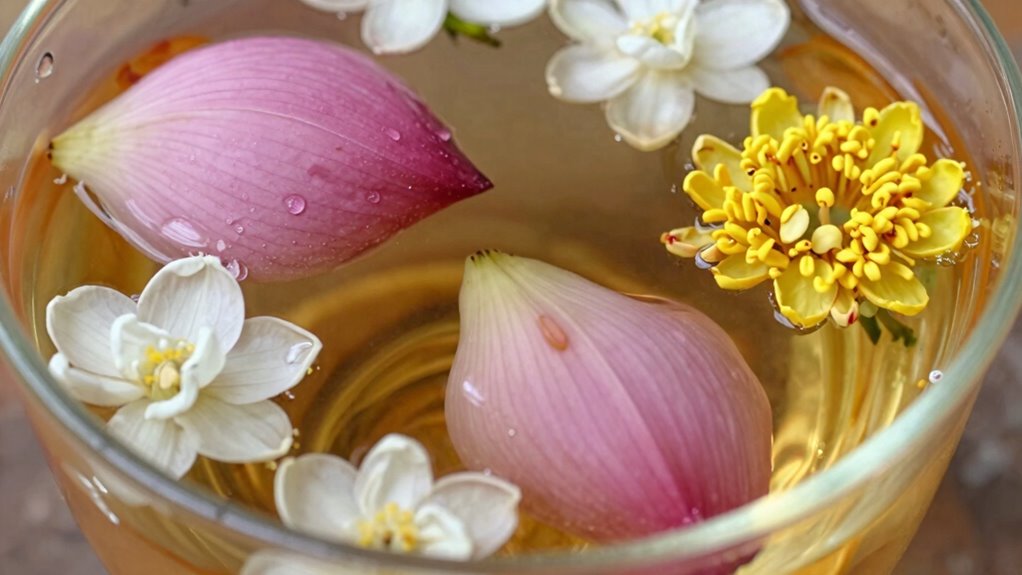
Flower tea often gets overlooked in favor of more common varieties, but a closer look reveals a world of delicate flavors and beautiful aromas waiting to be explored. When you take the time to appreciate these teas, you discover more than just a fragrant beverage—you uncover a tradition rich in cultural significance and herbal benefits. Each cup offers a sensory experience that connects you to centuries of history and ancient practices, making flower tea much more than a mere infusion. The craftsmanship involved in creating these teas highlights their artistry and cultural heritage, further enriching the experience. Herbal benefits play a significant role in why flower teas deserve your attention. Many varieties, like jasmine, chrysanthemum, and osmanthus, are celebrated for their medicinal properties. They can help soothe your mind, reduce stress, and improve digestion. For example, jasmine tea is known for its calming effects, making it a perfect choice after a long day. Chrysanthemum tea, on the other hand, is often used to cool the body and support eye health. These natural remedies have been trusted for generations and remain relevant today, offering a gentle way to boost your well-being without relying on synthetic ingredients. Beyond their health perks, flower teas carry deep cultural significance. They are woven into the traditions and rituals of many societies, especially in Asia. When you sip on a cup of jasmine or sakura tea, you’re participating in a centuries-old practice that emphasizes harmony, mindfulness, and respect for nature. They also serve as a symbol of hospitality and a gesture of goodwill in many cultures, further enriching their cultural importance. They can also serve as a way to connect with environmental sustainability by supporting traditional, eco-friendly cultivation and harvesting methods. These teas are often associated with ceremonies, festivals, or special moments, symbolizing hospitality, purity, and spiritual connection. They serve as a bridge to history, allowing you to experience a culture’s values and customs in a single sip. Whether used in meditation, celebration, or daily routine, flower teas hold a special place in cultural identity. The art of tea-making involved in crafting flower teas enhances their appeal. The delicate process of harvesting, drying, and blending these blossoms demonstrates a commitment to quality and tradition. When you brew a cup, you’re not just enjoying a beverage—you’re appreciating an art form passed down through generations. Their visual beauty, with petals unfurling in hot water, adds to the sensory delight. This attention to detail ensures that each sip delivers a multi-layered experience, from aroma to flavor. Additionally, understanding the herbal benefits associated with different flowers can deepen your appreciation and guide your selections. Exploring traditional cultivation methods can also enrich your understanding of the cultural heritage behind these teas. In essence, flower tea merits a closer look because it offers much more than flavor. It embodies herbal benefits that support your health and carries cultural significance that connects you to a larger world. By exploring flower teas, you open yourself up to a rich tradition of herbal wisdom and cultural expression that can elevate your daily routine and deepen your appreciation for the art of tea.
Frequently Asked Questions
Are Flower Teas Suitable for All Dietary Restrictions?
Flower teas can be suitable for many dietary restrictions, but it depends on the herbal benefits and floral varieties you select. If you’re sensitive to certain herbs or flowers, check ingredients carefully. Most flower teas are naturally caffeine-free and gluten-free, making them a good option for many. However, always read labels and consult with a healthcare provider if you have allergies or specific dietary needs to guarantee they fit your restrictions.
How Long Can Flower Tea Be Stored Without Losing Flavor?
Think of flower tea as a delicate bloom, best enjoyed fresh. You can store it for up to a year if you use proper storage techniques—keep it in an airtight container, away from light, heat, and humidity. This helps preserve its subtle flavors and floral essence. Over time, however, the aroma and taste gently fade, so for the richest experience, aim to enjoy your tea within a few months.
Can Flower Tea Be Used for Skincare or Medicinal Purposes?
Yes, you can use flower tea for skincare and medicinal purposes. Its herbal benefits include soothing skin, reducing inflammation, and promoting relaxation. The antioxidant properties in flower tea help combat free radicals, supporting overall health and skin vitality. You might apply cooled tea as a toner or incorporate it into your skincare routine. Additionally, drinking flower tea regularly can boost your immune system and enhance your well-being naturally.
What Are the Best Brewing Methods for Different Flower Teas?
Imagine revealing the full potential of each blossom—your secret to perfect flower tea. To do so, master infusion techniques and temperature control. Use gentle, hot water—around 150-180°F—depending on the flower, and steep for 3-5 minutes. For delicate blooms like jasmine, shorter steeping preserves aroma. For more robust flowers, extend infusion slightly. Adjust these variables, and you’ll brew a cup as unique as the flowers themselves.
Are There Any Flowers to Avoid Due to Allergies?
You should avoid certain flowers if you have flower allergy risks, especially those known to trigger seasonal allergy considerations. Common culprits include chamomile, jasmine, and chrysanthemum, which can cause reactions in sensitive individuals. Always check the ingredients of your flower teas and consult with your healthcare provider if you’re prone to allergies. Being cautious helps you enjoy flower teas safely without risking allergic reactions.
Conclusion
So, next time you sip on flower tea, remember there’s more than meets the eye. Its delicate aroma and vibrant beauty hide secrets waiting to be uncovered. Could this ancient brew hold even more surprises? The next cup might just lead you down a path of discovery, revealing stories and flavors you never expected. Don’t settle for a simple sip—dare to explore what lies beneath the petals. Your journey into flower tea’s mysteries has only just begun.
Fall Picks
fall essentials
As an affiliate, we earn on qualifying purchases.