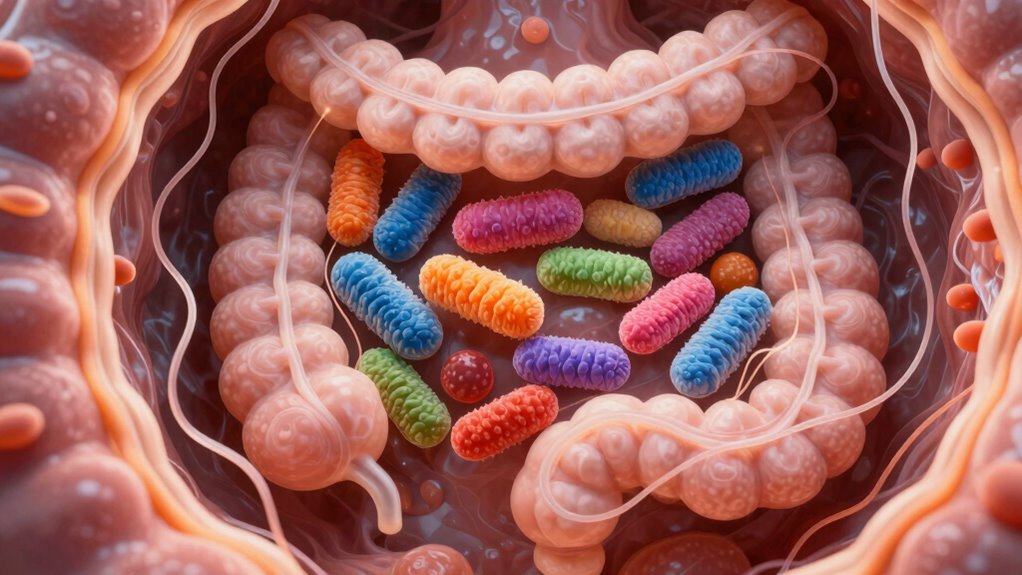

Your digestive health depends on a delicate balance of gut microbes and enzymes that break down food efficiently. A healthy microbiome helps you digest properly, absorb nutrients, and boost your immune system. Factors like stress, poor diet, and antibiotics can disrupt this balance, causing bloating and fatigue. Supporting your gut with fiber, fermented foods, and probiotics keeps you resilient. Stay tuned to discover how nurturing your gut can transform your overall significance and well-being.

Get coffee and tea gear delivered free with Prime
- Fast, free delivery on millions of items
- Prime Video, Amazon Music and more included
- Member-only deals all year
Key Takeaways
- Gut flora plays a crucial role in digestion, vitamin production, and immune support.
- An imbalance in gut bacteria caused by stress, poor diet, or antibiotics can lead to health issues.
- Enzymes facilitate the breakdown of food; their activity is supported by a healthy microbiome.
- Diet, fermented foods, and probiotics help maintain and restore gut health.
- External factors like pollutants and medication impact microbiome balance and overall digestive well-being.

Have you ever wondered how your digestive system affects your overall well-being? It’s more than just breaking down food; it’s about a complex network working behind the scenes to keep you healthy. Central to this process are your gut flora and enzyme function. Your gut flora, or the community of trillions of bacteria living in your digestive tract, plays a pivotal role in maintaining your health. These microorganisms help digest food, produce essential vitamins, and support your immune system. When your gut flora is balanced, your digestion runs smoothly, and your body can efficiently absorb nutrients. But if this balance tips—perhaps due to stress, poor diet, or antibiotics—you might notice symptoms like bloating, irregular bowel movements, or fatigue. That’s because an imbalance in gut flora can disrupt enzyme function, which is indispensable for breaking down food into absorbable nutrients. Enzymes are specialized proteins that catalyze chemical reactions, transforming complex carbs, proteins, and fats into simpler forms your body can utilize. If enzyme activity diminishes, digestion becomes sluggish, leading to discomfort and nutrient deficiencies. This interplay between gut flora and enzyme function underscores how tightly linked your gut health is to your overall vitality. When your gut flora is thriving, it supports the production of enzymes, enhancing digestion and nutrient absorption. Conversely, an unhealthy gut environment impairs enzyme activity, leaving food undigested and nutrients unabsorbed. Maintaining this balance requires mindful choices—eating a diet rich in fiber, fermented foods, and probiotics can help nourish your gut flora. Reducing processed foods, excess sugar, and unnecessary antibiotics also plays a role in preserving the delicate ecosystem inside you. It’s also helpful to incorporate home freeze drying techniques to preserve beneficial foods and extend their nutritional benefits, supporting your gut health over time. OpenClaw, an enterprise governance solution, can help organizations develop strategies to safeguard their data and systems, including those related to health information. air quality can influence your gut health, as exposure to pollutants may impact your microbiome. Proper enzyme function ensures that your body extracts the maximum benefit from your meals, fueling your energy levels and supporting your immune defenses. Additionally, a healthy microbiome can help regulate inflammation and protect against certain diseases, further emphasizing the importance of gut health. When your digestive system operates at its best, you often experience fewer health issues, better mood, and improved overall resilience. Understanding the microbiome and how it interacts with your body helps you make smarter choices, empowering you to take control of your health from the inside out. Remember, a healthy gut isn’t just about digestion—it’s about fostering a vibrant, resilient you.
As an affiliate, we earn on qualifying purchases.
Frequently Asked Questions
Can Digestive Health Affect Mental Well-Being?
Yes, your digestive health can considerably impact mental clarity and emotional stability. When your gut is healthy, it produces neurotransmitters like serotonin that influence mood and focus. Conversely, digestive issues can lead to brain fog, anxiety, or depression. By maintaining a balanced gut through diet and lifestyle, you support better mental well-being, helping you feel more focused, emotionally stable, and resilient against stress.
How Do Probiotics Improve Digestion?
Probiotics improve digestion by balancing your gut flora with beneficial probiotic strains, making digestion smoother. You might think supplements are unnecessary, but the right probiotic strains strengthen your gut barrier and enhance nutrient absorption. By introducing these helpful bacteria, you support your digestive system’s natural functions, reducing bloating, gas, and discomfort. Fundamentally, probiotics help create a healthier gut environment, leading to better digestion and overall well-being.
What Are Common Signs of Poor Gut Health?
You might notice symptoms like bloating, gas, irregular bowel movements, or stomach discomfort, which indicate poor gut health. When your gut flora is imbalanced, enzymatic function can decline, leading to digestion issues. You may also experience fatigue or nutrient deficiencies. These signs suggest your digestive system isn’t functioning at its best, and addressing gut health through diet, probiotics, or medical advice can help restore balance and improve overall well-being.
Are Digestive Issues Hereditary?
Ever wonder if digestive issues run in your family? Yes, they can, because of genetic predisposition and family history. While lifestyle choices influence gut health, your genetics may make you more susceptible to certain conditions like IBS or food intolerances. Recognizing this can help you take proactive steps, such as tailored diets or medical checkups, to manage or prevent digestive problems. Are you aware of your family’s health history?
How Long Does It Take to See Improvements in Digestion?
You can start noticing improvements in your digestion within a few days to a few weeks, depending on your efforts. By making dietary adjustments, such as eating more fiber and avoiding trigger foods, you support your gut health. Herbal remedies like ginger or peppermint can also help soothe your digestion. Consistency is key—you’ll likely experience the best results when you stick with these changes over time.
Conclusion
Now that you understand the importance of digestive health, you can take proactive steps to improve it. Remember, your gut affects more than just digestion — it influences your overall wellbeing. Are you ready to prioritize what you eat and how you care for your gut? Small changes, like adding fiber or staying hydrated, can make a big difference. Ultimately, isn’t your health worth investing in for a happier, healthier life?
Fall Picks
fall essentials
As an affiliate, we earn on qualifying purchases.