If your De’Longhi espresso machine is leaking water, it can disrupt your brewing routine and cause potential damage. Understanding common causes and how to address them can help you restore your machine’s performance quickly and safely.

Get coffee and tea gear delivered free — and shop member deals
- Fast, free delivery on millions of items
- Access to Prime Big Deal Days deals on October 6–7
- Prime Video, Amazon Music and more included
This guide provides practical, step-by-step instructions to identify the root cause of water leaks and fix them effectively, ensuring your coffee maker functions flawlessly again.
Key Takeaways
| Identify the leak source | Check for visible cracks, loose parts, or blockages. |
| Regular maintenance matters | Descale regularly and replace filters as needed. |
| Handle repairs carefully | Unplug before attempting fixes and follow safety steps. |
| When in doubt, consult experts | Contact customer service or a professional repair service. |
Understanding Common Causes of Water Leaks
Water leaks in your De’Longhi espresso machine can stem from various issues, including worn-out seals, mineral buildup, or damaged components. The most frequent causes include a faulty water reservoir seal, clogged or damaged water lines, and mineral deposits from hard water that cause blockages or cracks.
In my experience, the most noticeable sign is water pooling around the base or visible drips from the machine’s internal parts. Identifying the exact source is crucial before attempting repairs.
Step-by-Step Troubleshooting Guide
- Unplug the machine: Always disconnect from power to ensure safety before inspecting or fixing.
- Empty and inspect the water reservoir: Remove the water tank, check for cracks, and ensure the seal is tight. Replace if damaged.
- Check the water lines and connections: Examine internal tubing for cracks or disconnections. Tighten loose fittings or replace damaged hoses.
- Clean mineral deposits: Use a descaling solution like De’Longhi EcoDecalk to remove buildup, which can cause blockages and leaks.
- Inspect the brew group and seals: Remove and clean the brew unit. Look for worn or cracked seals and replace if necessary.
- Test the machine: After reassembling, fill the reservoir, plug in, and run a short brew cycle to check for leaks.
Tips for Preventing Future Water Leaks
- Descale regularly: Mineral buildup can cause blockages; follow your machine’s descaling schedule.
- Use filtered water: Reduces mineral deposits and prolongs component life.
- Replace water filters periodically: Keep water quality optimal and prevent clogging.
- Handle parts gently: Avoid overtightening hoses or seals during cleaning and assembly.
- Monitor for early signs of trouble: Address small leaks immediately before they worsen.
Safety Tips and Warnings
Always unplug your espresso machine before attempting any repairs or inspections to prevent electrical shock. Avoid forcing or damaging internal parts, as this can worsen leaks or cause further damage. If you’re unsure about handling internal components, consult a professional technician or contact De’Longhi customer support.
Use appropriate descaling solutions, and follow manufacturer instructions carefully. Keep liquids away from electrical components to prevent short circuits and hazards.
When to Seek Professional Help
If your troubleshooting efforts do not stop the leak, or if you notice persistent cracks or internal damage, it’s best to consult a professional repair service or contact De’Longhi customer support. Attempting complex repairs without proper knowledge can void warranties or cause safety risks.
Remember, some internal issues may require parts replacement that’s best handled by qualified technicians to ensure your machine’s longevity and performance.
The Products in This Guide
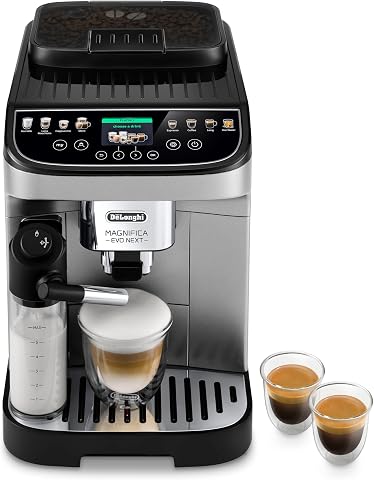
De’Longhi Magnifica Evo Next Fully Automatic Espresso Ma
- ✔ Water Capacity: 1.8 liters
- ✔ Grind Settings: 13
- ✔ Machine Weight: 17.6 lbs

De’Longhi Replacement Water Filter
- ✔ Filter Life: Up to 3 months
- ✔ Compatibility: Select De’Longhi models
- ✔ Installation: Easy twist-on
De’Longhi Magnifica Evo Next Fully Automatic Espresso Ma
The De’Longhi Magnifica Evo Next Fully Automatic Espresso Machine offers excellent features, including a built-in grinder, milk frother, and customizable recipes. Its durability and performance make it a top choice for espresso lovers, but like all machines, proper maintenance is key to avoiding leaks.
Pros:
- Built-in grinder with 13 settings
- Programmable and customizable drinks
- Automatic milk frother for lattes and cappuccinos
- User-friendly interface
Cons:
- Requires regular descaling
- Can be complex to repair without experience
Best for: Home baristas seeking a versatile, all-in-one espresso machine
Not ideal for: Users seeking a simple, manual espresso maker
Bottom line: Reliable and feature-rich, but requires regular maintenance to prevent issues like leaks.
De’Longhi Replacement Water Filter
This De’Longhi Replacement Water Filter helps improve water quality, reducing mineral buildup that can cause leaks and performance issues. It’s an easy upgrade to keep your espresso machine running smoothly.
Pros:
- Optimizes water quality
- Prevents lime scale buildup
- Easy to install
- Enhances coffee flavor
Cons:
- Needs replacement every 2-3 months
- Additional cost over time
Best for: Maintaining machine performance and coffee taste
Not ideal for: If your machine has internal damage, it won’t fix leaks caused by cracks
Bottom line: A simple way to improve water quality and prevent leaks caused by mineral deposits.
Frequently Asked Questions
Why is my De’Longhi espresso machine leaking water?
Leaks can be caused by worn seals, cracked water tanks, mineral buildup, or damaged hoses. Inspect the water reservoir, internal tubing, and seals to identify the source.
How do I fix a leak from the water reservoir?
Remove the reservoir, check for cracks or worn seals, and replace if necessary. Ensure the reservoir is seated properly and the seal is tight.
Can mineral deposits cause leaks?
Yes, mineral buildup from hard water can clog or crack internal components, leading to leaks. Regular descaling helps prevent this.
Is it safe to repair my espresso machine myself?
If you follow safety precautions, such as unplugging the machine and handling parts carefully, many minor repairs are manageable. For complex issues, consult a professional.
When should I replace the water filter?
Replace the water filter approximately every 2-3 months or when the indicator suggests, to maintain water quality and prevent mineral buildup.
Keep Your Espresso Perfect and Leak-Free
Regular maintenance, careful inspection, and timely replacements are key to ensuring your De’Longhi espresso machine stays leak-free and performs at its best. By following the troubleshooting steps and preventive tips outlined here, you can enjoy consistently delicious coffee and extend the lifespan of your machine. Remember, when in doubt, professional help is the safest route to a reliable fix.
Affiliate disclosure: As an Amazon Associate we earn from qualifying purchases. Prices and availability are accurate as of the time of publishing.
Fall Picks
fall essentials
As an affiliate, we earn on qualifying purchases.