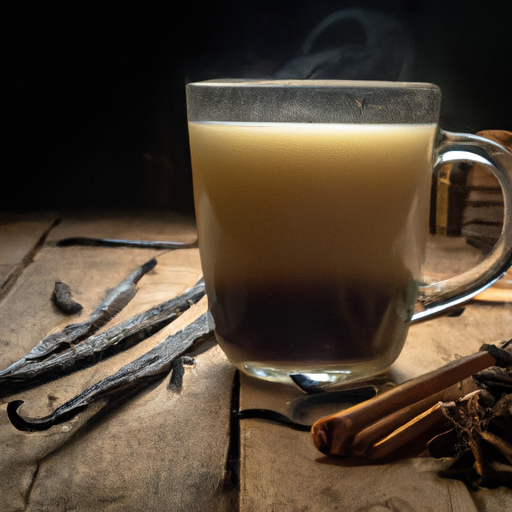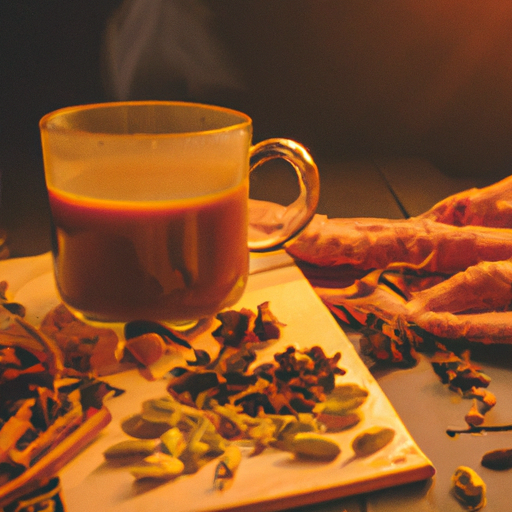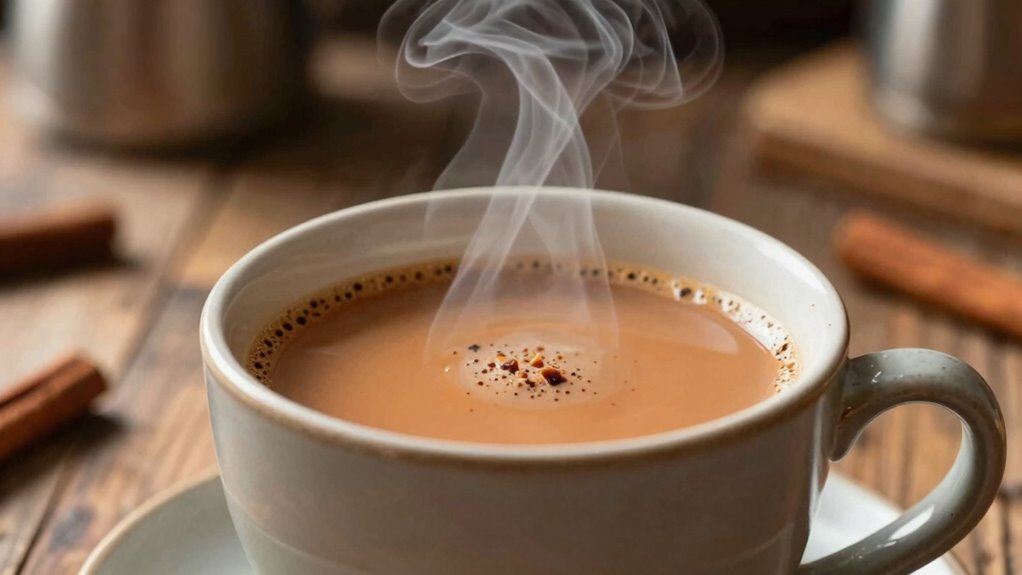

Most tea lovers miss the importance of balancing spices and perfecting milk texture in chai. When spices are overused or underused, the flavor can become overwhelming or flat, ruining the harmony. Similarly, well-textured milk enhances creaminess and allows flavors to meld beautifully, creating a velvety sip. Paying attention to these subtle details transforms a simple tea into a layered, indulgent experience. Keep exploring, and you’ll discover how mastering these elements can elevate your chai even further.

Get coffee and tea gear delivered free with Prime
- Fast, free delivery on millions of items
- Prime Video, Amazon Music and more included
- Member-only deals all year
Key Takeaways
- Many overlook the importance of balancing spices to avoid overpowering or bland flavors.
- Proper milk texture and temperature are often neglected, affecting creaminess and flavor harmony.
- The subtle art of steaming and frothing milk influences aroma and overall taste.
- Spices should be harmonized carefully; overuse or underuse diminishes depth.
- Attention to these details elevates chai from ordinary to a layered, indulgent experience.
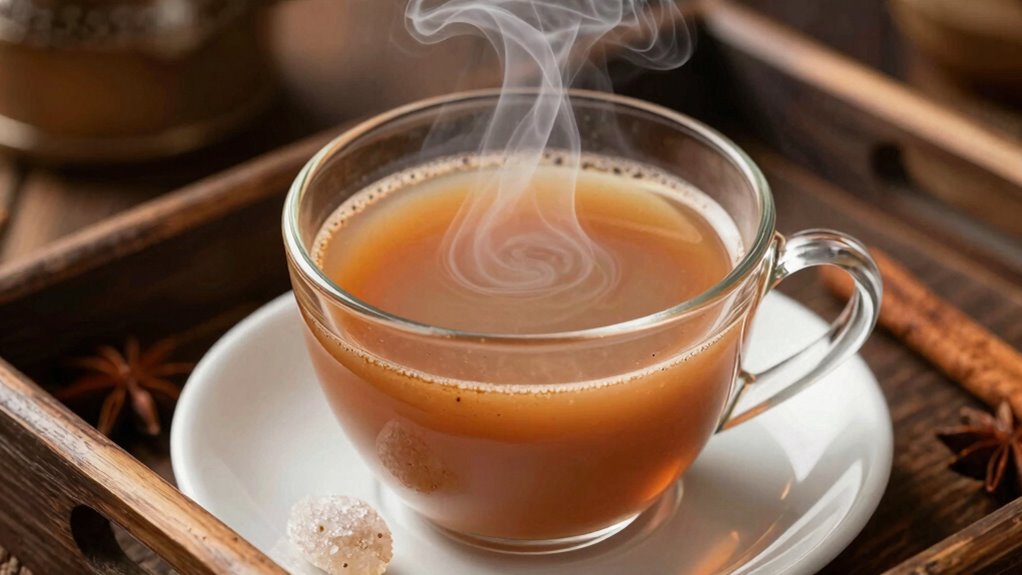
Chai tea is beloved for its warm, spicy aroma and comforting flavor, but many tea lovers overlook what truly makes it special. It’s not just the blend of spices or the milk; it’s how those elements come together that creates an experience worth savoring. When you brew a perfect cup, you’re balancing the spice profile carefully—cinnamon, cardamom, cloves, and ginger—each ingredient adding its own note without overpowering the others. That harmony, the spice balance, is what transforms an ordinary tea into a memorable ritual. Too much cinnamon, and it becomes overwhelming. Too little, and the complexity falls flat. It’s a delicate dance, and many people miss how essential this spice harmony is to the overall flavor. Achieving the right spice harmony involves a careful understanding of how each spice interacts and complements the others.
Beyond the spices, another aspect often overlooked is the milk texture. The way the milk is prepared and poured into the tea makes a significant difference. A well-textured milk adds creaminess that complements the spices perfectly, softening their intensity and creating a velvety mouthfeel. When the milk is steamed to the right temperature and frothed just enough, it introduces a smoothness that elevates the entire chai experience. If the milk is too thin or over-whipped, it can throw off the balance, making the drink feel less cohesive. Many tea lovers simply add milk and miss the subtle art of achieving that ideal milk texture, which is essential for a truly comforting sip.
A well-textured, perfectly steamed milk creates a velvety, balanced chai experience that softens spices and elevates every sip.
You might also not realize how much the milk’s temperature influences the overall flavor. Warm, not boiling, milk melds better with the spices, allowing each flavor to shine through without overpowering the palate. The texture of the milk also impacts how it interacts with the spice blend; a rich, creamy consistency enhances the aromatic qualities and makes each sip more indulgent. This attention to milk texture isn’t just about aesthetics or tradition; it’s about creating a harmonious blend that feels as good as it tastes.
In the end, what most tea lovers miss about chai tea isn’t just the spice blend or the milk alone—it’s how these components are carefully crafted and balanced. When you pay attention to spice harmony and perfect milk texture, your chai transforms from a simple beverage into a warm, layered experience. It’s those subtle, often overlooked details that turn a good cup into an extraordinary one. So next time you prepare chai, focus on these elements, and you’ll discover a depth of flavor that many overlook but truly cherish.
As an affiliate, we earn on qualifying purchases.
Frequently Asked Questions
What Are the Origins of Traditional Chai Tea?
You might not realize that traditional chai tea originates from India, where it’s deeply rooted in the tea ceremony and cultural rituals. The origins trace back centuries, blending black tea with a carefully crafted spice mix, including cardamom, cinnamon, and ginger. This spice blending creates the warm, aromatic flavor that defines chai. Its rich history highlights the importance of communal tea-drinking and the artistry behind traditional spice combinations.
How Does Chai Tea Vary Across Different Cultures?
Chai tea varies across cultures through unique tea ceremonies and cultural influences. In India, it’s a daily ritual blending spices like cardamom and ginger, often prepared with love. In Thailand, chai blends with local herbs, emphasizing aroma and tradition. In Western countries, chai is often sweeter and creamier. These differences highlight how each culture’s tea ceremonies and influences shape the distinct flavors and rituals associated with chai tea, making it a versatile beverage worldwide.
What Are Common Mistakes When Brewing Authentic Chai?
Don’t let the perfect cup slip through your fingers—common mistakes in brewing authentic chai often happen when you rush tea brewing or misjudge spice blending. Overheating can burn spices, dull flavors, and ruin the experience. Instead, focus on gentle simmering, allowing spices to fully release their essence. Use fresh, balanced spice blends to truly capture the rich, layered flavors that make chai special. Patience is key to a truly satisfying cup.
Can Chai Tea Be Made Dairy-Free Without Losing Flavor?
Yes, you can make chai tea dairy-free without losing flavor. Use dairy alternatives like almond, coconut, or oat milk to maintain creaminess and richness. To preserve the bold, spiced flavor, add a touch more spices or a splash of vanilla extract. Stir well and simmer gently, ensuring the flavors meld. With these adjustments, your chai will stay flavorful and satisfying, just like traditional versions.
What Are the Health Benefits of Chai Spices?
Chai spices pack a punch that can transform your health! They’re loaded with tea antioxidants that fight off free radicals and keep you energized. Plus, these spices work wonders for spice digestion, easing stomach discomfort and boosting gut health. By drinking chai, you’re not just sipping tea—you’re fueling your body with powerful, natural remedies. So, indulge in chai and experience the extraordinary health benefits hidden within every aromatic sip!
Conclusion
So, next time you sip your chai, remember you’re tasting a symphony of spices that can transform a simple moment into an unforgettable experience. Don’t let the busy world drown out the magic in every cup—this isn’t just tea; it’s an aromatic adventure that awakens your senses like a thousand sunsets. Embrace the rich history and soulful warmth, because missing out on chai’s true essence is like skipping the most breathtaking chapter of your favorite story.
Halloween Picks
halloween
As an affiliate, we earn on qualifying purchases.