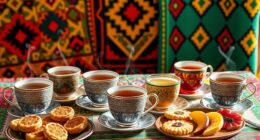
If you’re looking to elevate your home decor with beautiful tea ceremony books, I recommend exploring titles like *The Art of Afternoon Tea*, *The Ancient Art of Tea*, and *The Art and Craft of Tea*. These books combine stunning visuals, cultural insights, and practical tips that add elegance and depth to any space. They also serve as conversational pieces and inspire refined hosting. Keep exploring, and you’ll discover more about perfecting your tea ambiance and decor.
Key Takeaways
- Select books with stunning illustrations and photography to enhance your home’s aesthetic appeal.
- Prioritize titles that highlight elegant tea ceremonies and traditional serving rituals.
- Look for books featuring beautiful tea ware, accessories, and decorative elements to complement your decor.
- Choose volumes that combine cultural insights with visual artistry for a sophisticated ambiance.
- Consider books that offer both practical hosting tips and inspiring imagery to create a refined tea space.
The Art of Afternoon Tea Book
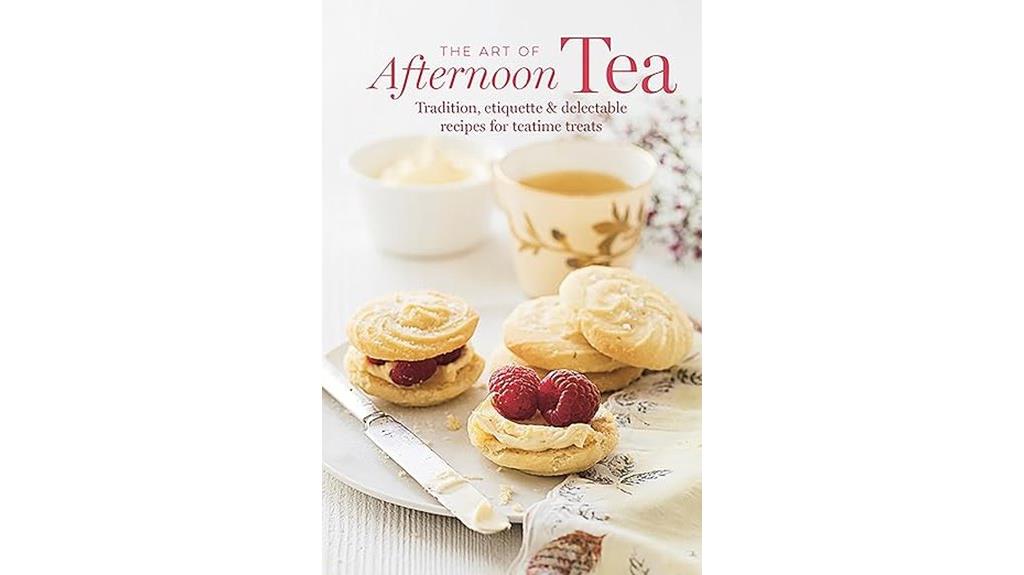
If you’re passionate about elevating your afternoon tea experience, The Art of Afternoon Tea Book is a must-have. I love how it dives into the history and significance of this elegant tradition, showing how it’s more than just a meal—it’s a refined social ritual. The book guides you through setting the perfect scene with delicate china, fine porcelain, and fresh flowers, emphasizing grace and etiquette. It also shares over 75 recipes for everything from savory finger sandwiches to sweet pastries, making it easy to host your own sophisticated gathering at home. This book truly inspires creating memorable, stylish teatime moments.
Best For: enthusiasts and hosts seeking to elevate their afternoon tea experience with historical insights, elegant presentation tips, and a variety of recipes for creating sophisticated and memorable gatherings at home.
Pros:
- Offers comprehensive coverage of the history, traditions, and etiquette of afternoon tea.
- Includes over 75 recipes, providing a wide range of baked goods and savory bites.
- Provides practical hosting tips for achieving a refined and authentic teatime experience.
Cons:
- May be overwhelming for beginners due to the depth of historical and etiquette details.
- Requires access to specific fine china and presentation materials for full effect.
- Some recipes and presentation techniques might demand advanced baking and styling skills.
The Ancient Art of Tea: Wisdom From the Old Chinese Tea Masters
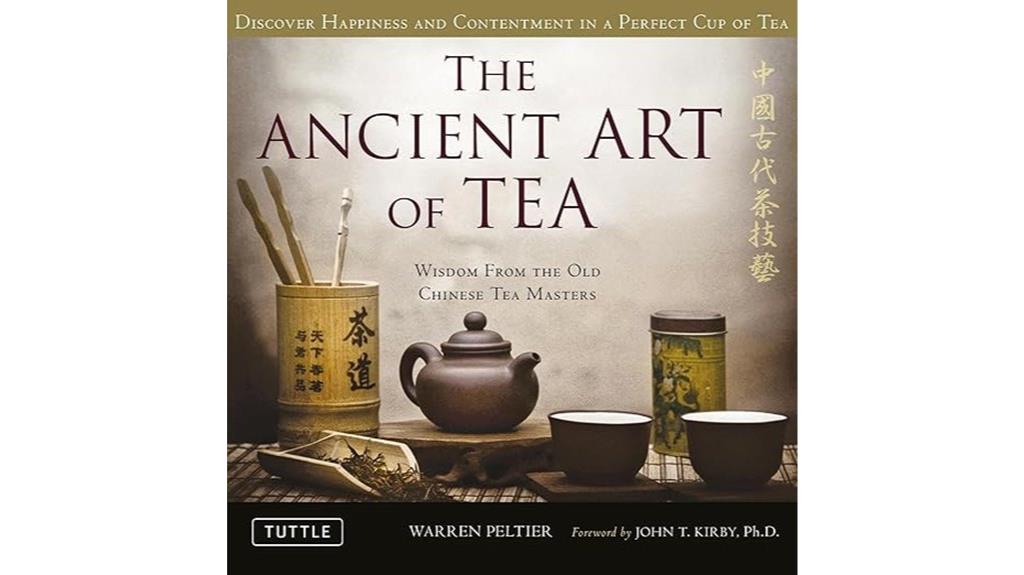
For anyone passionate about understanding the deep cultural and philosophical roots of tea, “The Ancient Art of Tea” offers invaluable insights from China’s historic tea masters. This book explores tea’s significance beyond taste, highlighting its artistic, spiritual, and philosophical dimensions. It features stories of legendary figures like Lu Yu and explores into the metaphysical symbolism of tea, water, and yin-yang concepts rooted in Daoism. Richly illustrated with ancient artwork, calligraphy, and photographs, it emphasizes the aesthetic beauty of tea ceremonies. Practical brewing techniques and classical texts deepen your appreciation, making this book a profound resource that connects history, art, and spirituality in every sip.
Best For: enthusiasts and scholars interested in the deep cultural, artistic, philosophical, and practical aspects of traditional Chinese tea.
Pros:
- Provides comprehensive insights into Chinese tea history, philosophy, and art, enriching cultural understanding.
- Features beautiful illustrations, calligraphy, and photographs that enhance aesthetic appreciation.
- Offers detailed brewing techniques and practical guidance rooted in classical texts, improving tea-making skills.
Cons:
- Minor grammatical issues such as split infinitives may distract some readers.
- The content’s depth and historical focus might be overwhelming for casual tea drinkers.
- Limited focus on modern tea preparation methods or contemporary tea culture.
The Tea Book: Experience the World’s Finest Teas
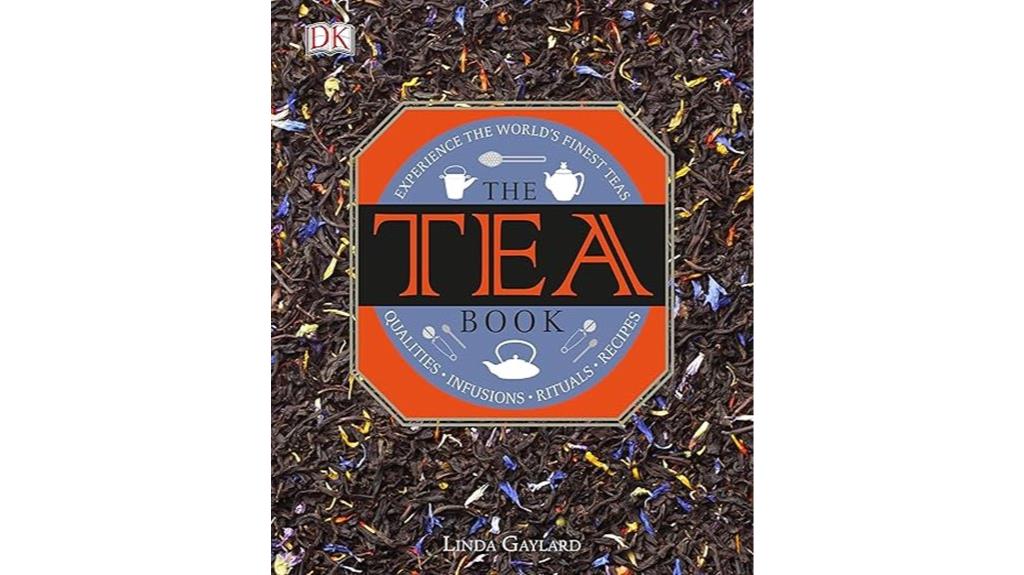
The Tea Book: Experience the World’s Finest Teas is a must-have for anyone enthusiastic to deepen their appreciation of tea’s rich history and diverse traditions. It takes you on a global journey, from the tea plantations of India to Kenya, helping you recognize different varietals and understand their cultural significance. The book offers detailed brewing techniques, including traditional rituals like Japanese tea ceremonies and craft chai recipes, so you can recreate authentic experiences at home. With sensory tasting guides and insights into health benefits, it invites you to explore tea’s flavors and traditions, making it a perfect addition to elevate your home decor and deepen your tea knowledge.
Best For: tea enthusiasts eager to deepen their knowledge of global tea traditions, brewing techniques, and sensory appreciation.
Pros:
- Comprehensive coverage of tea origins, cultivation, and cultural rituals around the world
- Detailed brewing instructions and traditional ceremony recreations for authentic experiences
- Includes sensory tasting guides and health benefits, enriching tea appreciation and wellness
Cons:
- May be overwhelming for beginners due to the extensive detail and variety of topics
- Slightly bulky, which could be less convenient for portable reference
- Focuses heavily on traditional and cultural aspects, with less emphasis on modern or commercial tea brands
The Art of Tea: Recipes and Rituals (Victoria)
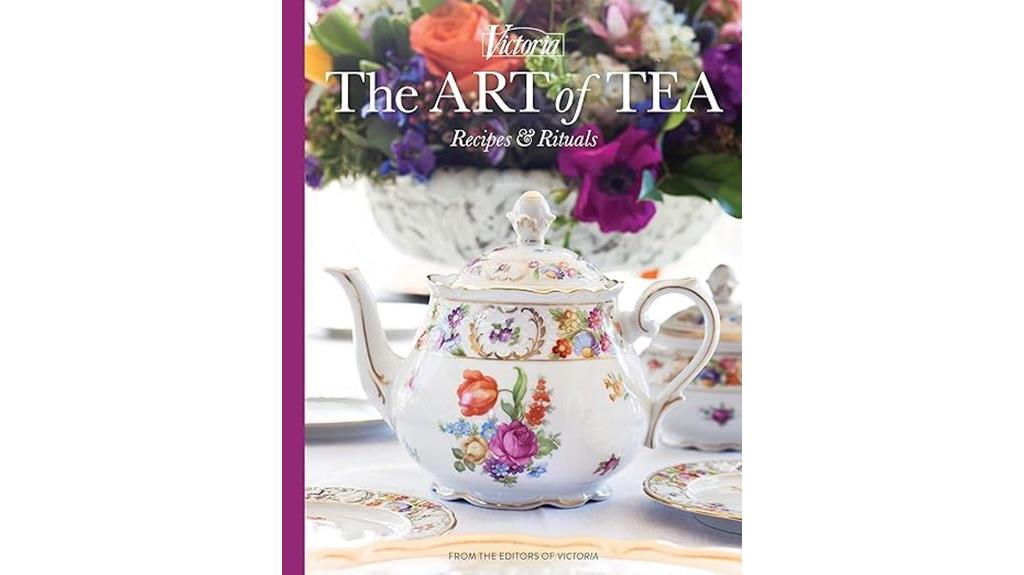
Anyone passionate about elevating their teatime will find “The Art of Tea: Recipes and Rituals” by Victoria magazine editors an inspiring guide. This beautifully photographed book celebrates tea’s cultural significance and offers practical ideas to make every session memorable. It covers essential brewing techniques, helping you select the right teas and master perfect pots. The recipes for scones, lemon curd, and other treats inspire delightful accompaniments. Plus, it shares elegant tips for presentation and special celebrations, from floral table settings to outdoor gatherings. Exploring global tea destinations adds a touch of wanderlust, making this book a perfect addition to your home decor and tea ritual.
Best For: tea enthusiasts and hosts looking to deepen their appreciation of tea culture with beautiful presentation ideas and traditional recipes.
Pros:
- Inspires readers with stunning photography and elegant presentation tips.
- Offers practical guidance on brewing techniques and classic teatime recipes.
- Explores global tea destinations, adding cultural context and travel inspiration.
Cons:
- May focus heavily on visual aesthetics, which might overshadow practical brewing details.
- Some recipes and ideas might require specific or expensive ingredients or tableware.
- The book’s emphasis on presentation and destinations may be less useful for casual tea drinkers.
The Art and Craft of Tea: An Enthusiast’s Guide

If you’re passionate about exploring tea as an art form and cultural tradition, this guide is perfect for you. It offers a comprehensive exploration into tea’s rich history, highlighting how regional customs and ancient practices shape modern appreciation. You’ll learn about global cultivation techniques, from growing regions to processing styles, emphasizing craftsmanship. The guide also covers brewing methods, from traditional styles to creative infusions, inspiring you to experiment. Plus, it explores blending, herbal infusions, and tea-based recipes. Ultimately, it celebrates tea’s role as an artistic, wellness, and cultural experience, helping you deepen your connoisseurship and enjoy tea as a true craft.
Best For: tea enthusiasts eager to deepen their understanding of tea’s cultural, artistic, and craft aspects through in-depth knowledge and hands-on techniques.
Pros:
- Provides a comprehensive overview of tea’s history, culture, and craftsmanship.
- Offers practical guidance on brewing, blending, and creating personalized tea infusions.
- Inspires creativity and appreciation for tea as an artisanal and wellness practice.
Cons:
- May be overwhelming for beginners due to the depth of historical and technical details.
- Focuses heavily on cultural and artisanal aspects, less on quick or casual tea preparation.
- Requires time and effort to fully explore and experiment with the techniques and recipes provided.
The Japanese Tea Ceremony: Cha-no-Yu and the Zen Art of Mindfulness
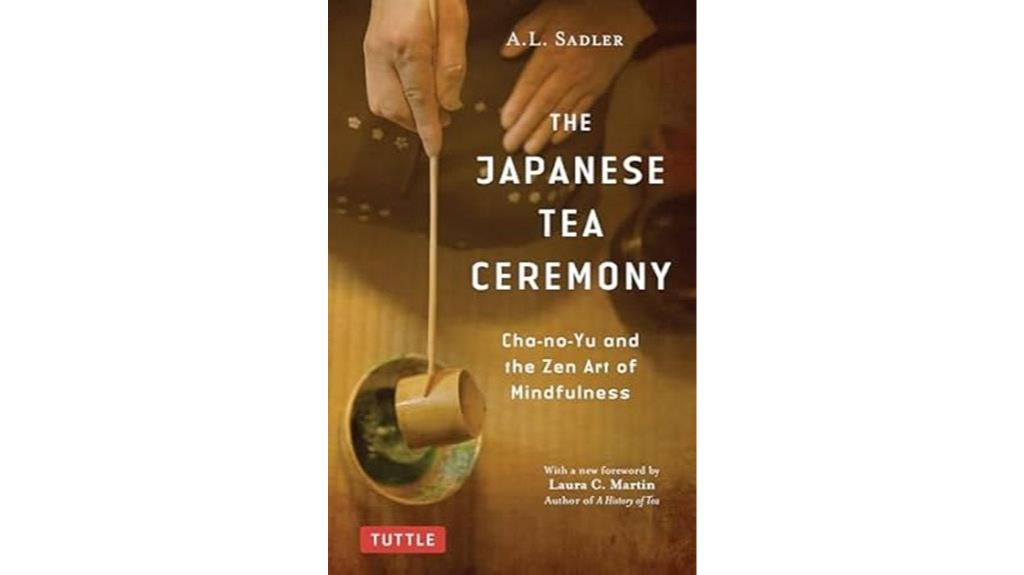
For readers drawn to the subtle artistry and spiritual depth of Japanese culture, “The Japanese Tea Ceremony: Cha-no-Yu and the Zen Art of Mindfulness” offers a detailed glimpse into a ritual that transforms simple acts into meditative experiences. This 500-year-old tradition embodies Zen principles like mindfulness, serenity, and spiritual growth. The book showcases intricate steps, emphasizing presence and discipline, making each movement a form of meditation. Richly illustrated with drawings and photographs, it highlights the artistry of tea bowls, utensils, teahouses, and gardens. This guide reveals how the ceremony fosters inner peace, harmony, and a deeper appreciation of Japanese aesthetic and cultural values.
Best For: enthusiasts of Japanese culture, mindfulness practitioners, and anyone interested in meditative arts and traditional rituals.
Pros:
- Richly illustrated with detailed drawings and photographs that enhance understanding of the ceremony’s artistry.
- Provides a comprehensive overview of the history, philosophy, and practice of Cha-no-Yu.
- Emphasizes mindfulness and spiritual growth, making it suitable for both cultural appreciation and personal meditation.
Cons:
- The detailed descriptions and illustrations may be overwhelming for beginners unfamiliar with Japanese cultural practices.
- Focus primarily on the aesthetic and spiritual aspects, potentially lacking practical, step-by-step instructions for novice practitioners.
- The book’s cultural and historical depth might be less engaging for readers seeking quick, casual insights.
20,000 Secrets of Tea
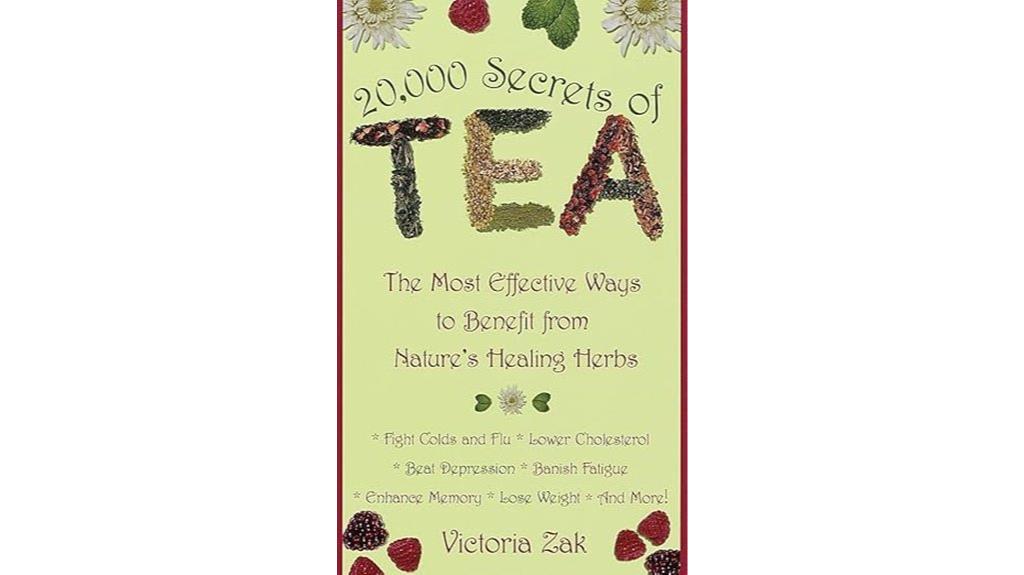
“000 Secrets of Tea” reveals the hidden depths behind this ancient beverage, making it an ideal read for tea enthusiasts keen to deepen their knowledge. It uncovers over 20,000 secrets about tea’s cultural significance, medicinal properties, and preparation techniques. I love how the book explores tea’s role as a healing remedy, offering an A-Z guide to herbs and their health benefits. It also encourages personalizing tea blends for specific wellness needs, making it both informative and practical. Whether you’re curious about herbal medicine or want to elevate your tea rituals, this book provides invaluable insights to enrich your appreciation of tea’s rich history and healing power.
Best For: tea enthusiasts and herbal medicine seekers interested in exploring tea’s cultural significance, health benefits, and personalized herbal remedies.
Pros:
- Provides comprehensive insights into tea’s medicinal properties and cultural history.
- Offers practical guidance for creating personalized tea blends and herbal remedies.
- Includes an extensive herbal overview with detailed healing properties for over 100 herbs.
Cons:
- The extensive amount of information may be overwhelming for beginners.
- Some recipes and herbal combinations may require additional sourcing or expertise.
- The emphasis on herbal medicine might be less appealing to those only interested in traditional tea drinking.
The Book of Tea

The Book of Tea stands out as a must-have for anyone deeply interested in the cultural and artistic significance of tea. First published in 1906, it remains a beloved classic that blends art, philosophy, and tradition. Okakura Kakuzo’s insights, shaped by his global experiences, highlight tea’s role in fostering beauty, simplicity, and spiritual reflection. The updated edition, with historical photos and illustrations, connects Eastern and Western artistic traditions. It’s more than a book; it’s a visual and philosophical journey that continues to inspire modern tea practices and elevate the cultural appreciation of tea in any home.
Best For: those passionate about exploring the cultural, artistic, and philosophical significance of tea, and interested in understanding its role in fostering beauty and spiritual reflection across Eastern and Western traditions.
Pros:
- Rich historical context and cultural insights that deepen appreciation for tea’s significance.
- Includes illustrations and photographs that enhance the visual and philosophical experience.
- Connects traditional tea culture with modern practices, inspiring contemporary appreciation and understanding.
Cons:
- The language and concepts may be dense for casual readers or those new to tea culture.
- As an expanded edition, some might find the volume slightly overwhelming or lengthy.
- Primarily focuses on the cultural and artistic aspects, with less emphasis on practical tea preparation techniques.
The Tea Enthusiasts Handbook: A Guide to Enjoying the Worlds Best Teas

If you’re passionate about deepening your understanding and appreciation of tea, “The Tea Enthusiasts Handbook” stands out as an essential resource. This book offers practical guidance on identifying, buying, and savoring some of the world’s best teas. It details the six main types—green, yellow, white, oolong, black, and Pu-erh—and emphasizes quality standards like soundness. With clear lessons, detailed descriptions, and stunning visuals, it’s perfect for both beginners and seasoned enthusiasts. The book encourages mindful tasting, note-taking, and exploring regional varieties, making it a valuable addition to any tea lover’s collection and home decor.
Best For: tea enthusiasts seeking a comprehensive, practical guide to understanding, appreciating, and exploring high-quality teas from around the world.
Pros:
- Provides detailed descriptions, quality standards, and regional insights to enhance tea knowledge.
- Features stunning visuals and clear lessons that are accessible for both beginners and experienced drinkers.
- Emphasizes soundness and authenticity, encouraging mindful tasting and informed purchasing decisions.
Cons:
- Focuses primarily on traditional high-quality teas, which may be less accessible or affordable for some consumers.
- Lacks extensive coverage of flavored or blended teas, catering more to purists.
- As a comprehensive guide, it may require time and effort to fully absorb all the information presented.
Jane Pettigrews World of Tea: Discovering Producing Regions and their Teas

For anyone passionate about exploring the rich diversity of tea around the world, Jane Pettigrews World of Tea stands out as an essential resource. Recognized with the BEST NEW PRODUCT award at the World Tea Expo, it offers an in-depth look at over 60 tea-producing countries. The book explores their unique teas, history, terroir, and cultural practices, giving you a global perspective. With stunning full-color photography and detailed maps, it’s both visually engaging and informative. Whether you’re a casual tea lover or a dedicated connoisseur, this guide deepens your understanding of regional differences and enhances your appreciation for the world of tea.
Best For: tea enthusiasts, connoisseurs, and anyone interested in exploring the cultural and regional diversity of teas worldwide.
Pros:
- Comprehensive coverage of over 60 tea-producing countries with detailed insights into their teas, history, and culture
- Stunning full-color photography and detailed maps that enhance visual engagement and understanding
- Recognized with the BEST NEW PRODUCT award, indicating high quality and relevance in the tea community
Cons:
- May be overwhelming for casual tea drinkers seeking only basic information
- The extensive content might be too detailed for those looking for quick references
- As a print guide, it may lack interactive features available in digital formats
A Literary Tea Party: Blends and Treats for Book Lovers
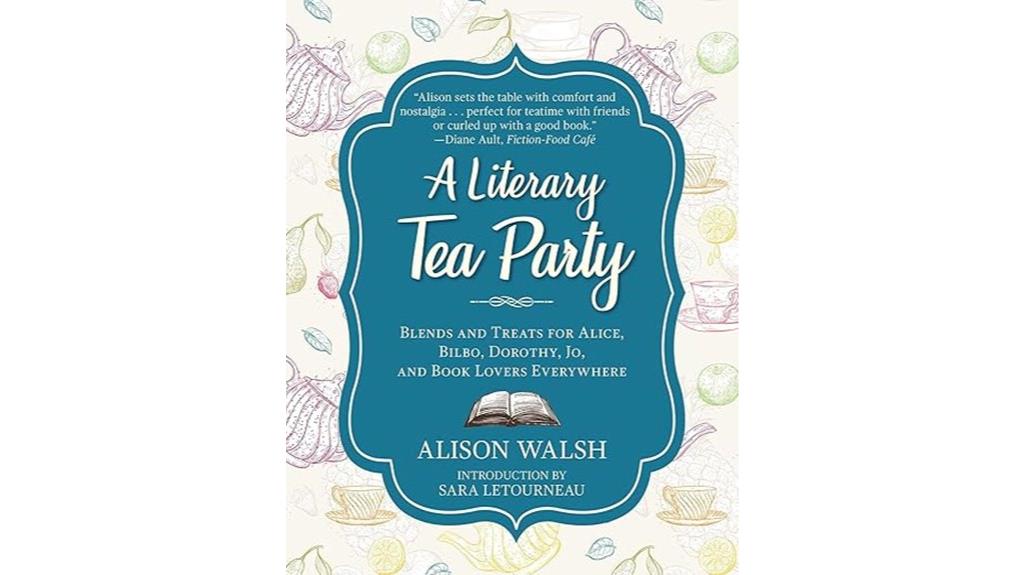
Literary enthusiasts who love hosting themed gatherings will find *A Literary Tea Party* an irresistible treasure. This charming book offers fifty-five recipes inspired by beloved classics—think Queen of Hearts’s Painted Rose Cupcakes or Beorn’s banana nut bread. Each recipe ties to characters or stories, creating an immersive experience for guests. Beautiful illustrations, quotes, and connections to movies make it visually delightful. The recipes are accessible even for beginners, encouraging playful experimentation. Whether for book clubs, themed parties, or cozy nights, this book transforms teatime into an enchanting literary adventure, perfect for elevating your home decor with creativity and charm.
Best For: literary lovers, avid bakers, and hosts seeking charming themed gatherings centered around classic stories and tea parties.
Pros:
- Beautiful illustrations and quotes enhance visual appeal and inspire creativity.
- Easy-to-follow recipes suitable for beginners, encouraging culinary experimentation.
- Offers a unique literary-themed experience that elevates social events and personal gatherings.
Cons:
- Some recipes are similar to those found in other cookbooks, leading to redundancy.
- The book may focus heavily on certain classics, limiting variety for some readers.
- Not all recipes may cater to dietary restrictions or preferences.
Japan Style
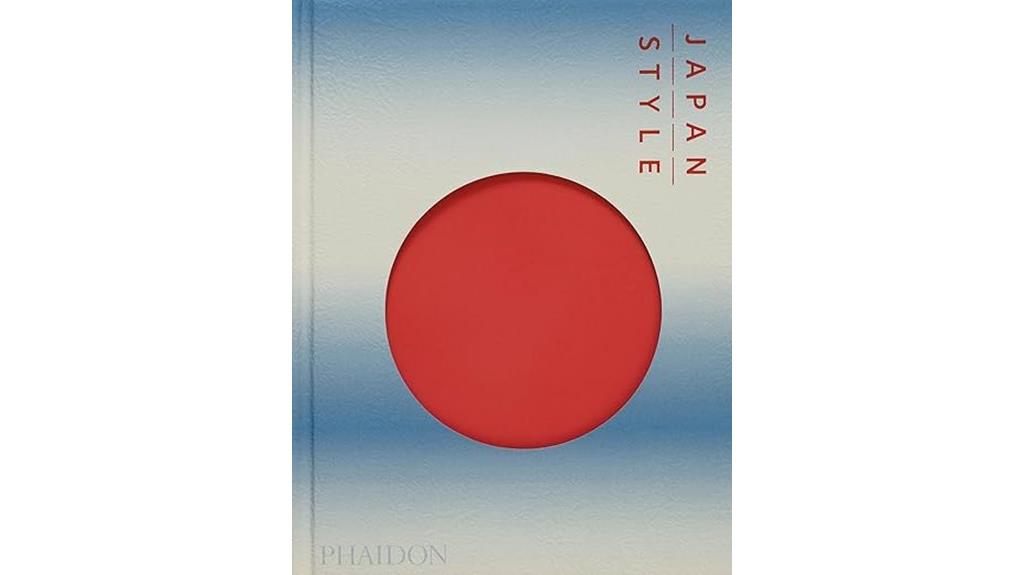
Japan Style stands out as an essential choice for anyone fascinated by Japanese aesthetics and cultural artistry. This book offers a stunning visual journey through Japan’s unique artistic expressions, from delicate calligraphy to serene rock gardens. With over 150 images, it beautifully captures the essence of Japanese design—simplicity, elegance, and harmony. Authored by Gian Carlo Calza, a respected expert, it provides deep insights into Japan’s cultural worldview. Whether you’re drawn to traditional or modern art, Japan Style helps you understand how these elements reflect Japan’s identity and philosophies. It’s a perfect addition to your coffee table, inspiring appreciation for Japanese beauty and craftsmanship.
Best For: enthusiasts and scholars interested in exploring the depth and beauty of Japanese aesthetics and cultural artistry.
Pros:
- Rich visual content with over 150 stunning images showcasing Japanese art and design.
- Authored by Gian Carlo Calza, a highly respected expert, ensuring insightful and authoritative analysis.
- Covers a broad range of topics from traditional to contemporary Japanese cultural expressions, making it comprehensive.
Cons:
- May be too visually dense for those seeking a quick overview rather than in-depth analysis.
- Focused primarily on aesthetics, with limited practical guidance or tutorials.
- Might be expensive for casual readers or those with a limited interest in Japanese culture.
Tea Sommelier: A Step-by-Step Guide

If you’re enthusiastic to deepen your understanding of tea and master the art of serving it with confidence, the “Tea Sommelier: A Step-by-Step Guide” is an ideal resource. This book breaks down complex topics into 160 easy lessons, making learning accessible and enjoyable. It covers everything from different tea varieties and cultivation regions to selection, preparation, tasting, and serving techniques. Plus, it offers tips on pairing tea with food and incorporating it into cooking. Stylish illustrations enhance the experience, helping you visualize each step. Whether you’re a beginner or looking to refine your skills, this guide will elevate your appreciation and presentation of tea.
Best For: tea enthusiasts, aspiring tea sommeliers, and anyone seeking to deepen their knowledge and skills in tea preparation, tasting, and presentation.
Pros:
- Comprehensive coverage of tea varieties, cultivation, and selection techniques
- Practical tips on preparation, tasting, and serving to build confidence
- Visually engaging with stylish illustrations that enhance learning
Cons:
- May be overwhelming for complete beginners due to the extensive content
- Requires time commitment to fully absorb lessons, which might be challenging for busy schedules
- Focused primarily on visual and practical learning, less emphasis on historical or cultural contexts
In Search of Tea: Discovery and Knowledge

Whether you’re a curious novice or a seasoned connoisseur, “In Search of Tea: Discovery and Knowledge” offers a wealth of insights for anyone enthusiastic to deepen their understanding of tea. François-Xavier Delmas, founder of Palais de Thés, takes us on a global journey, exploring rare teas from India, China, Nepal, Japan, and more. The book’s six beautifully illustrated chapters cover cultivation, tasting techniques, and cultural traditions, revealing the stories behind each sip. Delmas’s encounters with local producers highlight the rich diversity of customs and terroirs. This all-encompassing guide enriches your appreciation of tea’s complexity, making it a perfect addition to any home library or decor.
Best For: tea enthusiasts, travel lovers, and cultural explorers seeking a comprehensive and beautifully illustrated guide to the world’s tea traditions and varieties.
Pros:
- Provides in-depth knowledge of tea cultivation, tasting, and cultural practices from diverse regions.
- Features superb photography and detailed explanations, making it visually engaging and educational.
- Suitable for both novices and connoisseurs, enhancing appreciation and understanding of tea.
Cons:
- As a coffee table book, it may have limited practical instructions for brewing or tasting techniques.
- The focus on cultural stories and travel may not appeal to readers seeking a purely technical or scientific guide.
- The extensive content and visuals require dedicated time to fully absorb and enjoy.
Foldable Japanese Tatami Low Table

The Foldable Japanese Tatami Low Table stands out as an ideal choice for anyone seeking versatile, space-saving furniture that combines traditional style with modern convenience. Its compact, 60x60cm design with rounded corners ensures safety for children and pets, while the stain-resistant surface makes cleaning effortless. Made from durable wood-based panels with a sturdy metal frame, it supports up to 110 lbs. The table folds flat in seconds, making storage simple and hassle-free. Perfect for tea ceremonies, coffee, or small meals, it adapts easily to different settings—whether indoors, outdoors, or in tight spaces—adding functional elegance to any room.
Best For: individuals seeking a versatile, space-saving low table suitable for small apartments, tea ceremonies, outdoor activities, or multi-purpose use in various rooms.
Pros:
- Easy to fold and unfold in seconds, no assembly required
- Compact and lightweight, ideal for limited spaces and portable use
- Sturdy construction with a stain-resistant surface for durability and easy cleaning
Cons:
- Limited to supporting up to 110 lbs, may not suit heavy-duty needs
- Available sizes may not fit larger seating or dining arrangements
- Metal legs and MDF surface may be less premium compared to solid wood furniture
Factors to Consider When Choosing a Tea Ceremony Coffee Table Book

When selecting a tea ceremony coffee table book, I focus on content depth and focus to guarantee it offers meaningful insights. I also consider its visual appeal and how well it captures the artistry of the tradition. Finally, I look for authentic cultural details, practical hosting tips, and a clean presentation to enrich the overall experience.
Content Depth and Focus
Choosing a tea ceremony coffee table book with the right depth and focus guarantees you receive the most meaningful experience. I look for books that offer detailed historical and cultural context, helping me understand the tradition’s roots. It’s important that the book concentrates on specific aspects like rituals, etiquette, or regional variations, providing targeted insights. Quality images, step-by-step guides, and explanations of symbolism enhance the content, making it both informative and engaging. I also want a good balance between scholarly information and practical tips, so I can appreciate the artistry and learn how to host or participate authentically. Most importantly, the focus should align with my interests, whether that’s the philosophical, ritualistic, or aesthetic elements of the tea ceremony.
Visual and Artistic Elements
Selecting a tea ceremony coffee table book with compelling visual and artistic elements can transform it into a true feast for the eyes. I look for high-quality photographs, delicate illustrations, and elegant calligraphy that enhance its aesthetic appeal. Incorporating traditional Japanese or Chinese motifs—such as ceramics, tea utensils, and floral arrangements—can deepen the cultural atmosphere. Detailed images of tea ceremonies, teahouses, and decorative elements highlight the rituals’ beauty and intricacy. A thoughtfully designed layout with harmonious colors and balanced compositions makes the book visually engaging. Additionally, artwork inspired by Zen or Japanese minimalism evokes tranquility, perfectly complementing the spiritual essence of the tea ceremony. These artistic elements truly elevate the book’s visual charm and overall ambiance.
Cultural Authenticity
Ensuring a tea ceremony coffee table book is culturally authentic means verifying that it accurately reflects the traditions, rituals, and symbolism rooted in the specific culture. I look for publications authored by experts—scholars or practitioners recognized for their deep knowledge—since their insights assure accuracy. Authentic books include detailed descriptions, illustrations, and photographs of traditional utensils, attire, and settings, which boost credibility. It’s important that the content provides context and explanations that honor the origins and spiritual significance of the tea ceremony, rather than superficial or generalized descriptions. A truly authentic book respects the cultural nuances and historical background, helping me appreciate the depth and beauty of the tradition beyond just visual appeal.
Practical Hosting Tips
When searching for a tea ceremony coffee table book, I look for one that offers practical hosting tips to help create a memorable and smooth experience. I pay attention to detailed advice on table arrangement, utensil presentation, and maintaining an elegant atmosphere. It’s essential that the book guides me on proper etiquette and manners, ensuring my guests feel comfortable and respected. I also want practical suggestions for creating a cozy, visually appealing setting, including lighting, decoration, and tableware choices. Tips on serving order, timing, and accommodating different guest preferences are vital for a seamless event. Ultimately, I seek a resource that emphasizes the importance of ambiance and professionalism, helping me elevate my hosting skills and make every gathering special.
Presentation and Design
The visual presentation of a tea ceremony coffee table book plays a crucial role in how it enhances your space. I look for books with high-quality photographs and illustrations that boost their aesthetic appeal. A well-organized layout, balancing images and text, makes it easy to navigate and fully enjoy the visual storytelling. I also consider the design theme—whether it leans toward traditional Japanese motifs or minimalist styles—to match my decor. The cover and paper stock quality matter too; durable, attractive materials reflect careful attention to detail. Additionally, I seek books that incorporate decorative elements like calligraphy, artwork, or cohesive color schemes, which enrich the sensory experience and elevate the overall presentation in my home.
Frequently Asked Questions
Which Books Are Best Suited for Modern Minimalist Decor?
If you’re into modern minimalist decor, I recommend choosing books with clean, simple covers and elegant design. Titles like “The Art of Tea” or “Minimalist Living” fit perfectly, offering beautiful photography and thoughtful insights without clutter. I love selecting books with monochrome palettes or subtle accents that blend seamlessly into my space. They add sophistication without overwhelming, making my coffee table look curated and stylish.
Are There Books That Focus on Sustainable and Organic Teas?
I’ve found some fantastic books that focus on sustainable and organic teas, and trust me, they’re as charming as a perfectly brewed cup. These books explore eco-friendly tea cultivation, ethical harvesting, and health benefits — all served with beautiful photos. They’re perfect for anyone wanting to sip consciously while impressing guests with eco-chic decor. So, yes, your coffee table can be both stylish and planet-friendly!
Which Titles Include Practical Tea Brewing Techniques?
If you’re looking for books with practical tea brewing techniques, I recommend “The Art of Tea” by Tony Gebely and “The Tea Book” by Linda Gaylard. Both offer detailed instructions on brewing perfect cups, from selecting the right leaves to steeping times. These guides are great for enthusiasts wanting to refine their skills and enjoy tea at its best. Trust me, they’ll elevate your tea experience markedly.
Do These Books Feature Cultural History and Traditions?
Absolutely, many of these books explore into cultural history and traditions, offering rich insights into tea ceremonies worldwide. I love how they blend beautiful imagery with stories that connect tea to cultural identity, rituals, and history. When I read them, I feel more connected to the customs behind each brew. If you’re into understanding the deeper meaning of tea, these books are perfect—they’re as educational as they are visually stunning.
Are There Options for Beginner-Level Tea Enthusiasts?
Absolutely, there are options perfect for those just starting to explore the art of tea. I’ve found that beginner-friendly books often feature clear explanations, beautiful visuals, and simple tips to get you started. These titles gently guide you through the basics, making your journey into tea enjoyable and approachable. If you’re new to it all, these books serve as friendly companions, helping you build confidence while appreciating the rich traditions behind each brew.
Conclusion
So there you have it—your ultimate reading list to impress guests and elevate your home decor with the perfect tea ceremony coffee table books. Who knew that a few beautifully bound pages could make your space feel so refined? Just remember, it’s not about having the fanciest books, but about creating moments of calm and connection. After all, in the end, it’s just paper—until it’s not. Cheers to that!