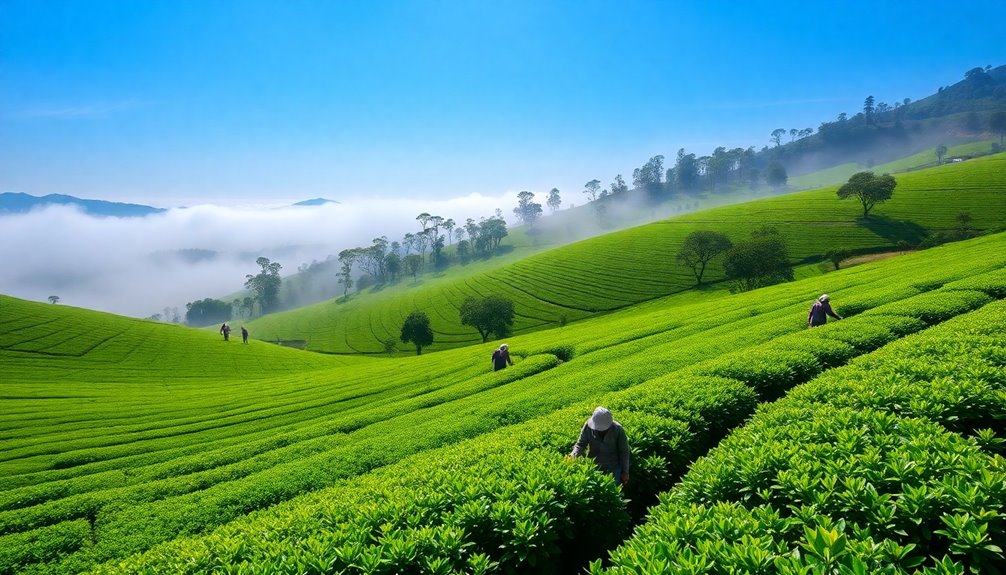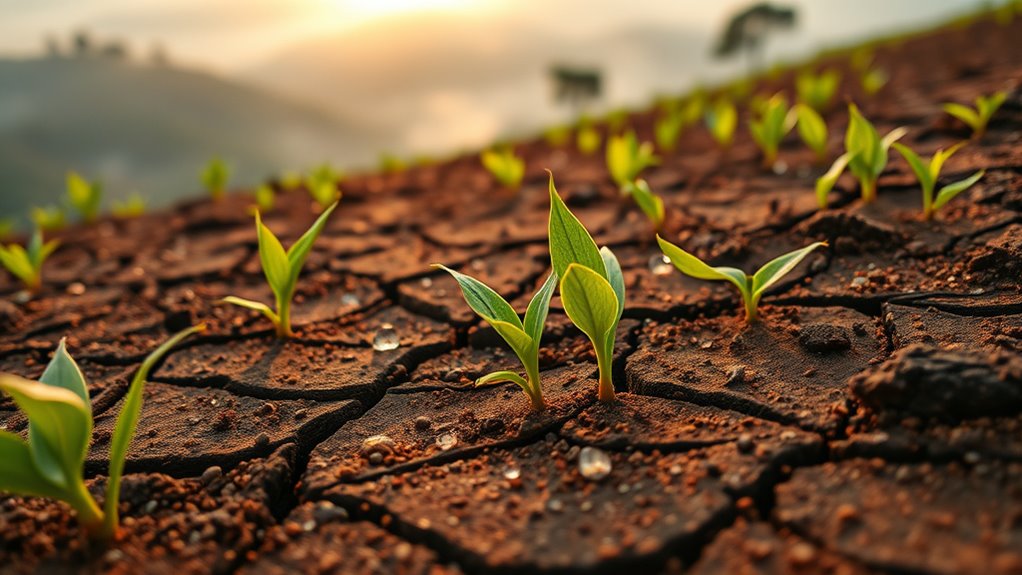

Understanding terroir is essential to appreciating Assam’s unique wines and spirits, and the soil plays a crucial role. Assam’s rich alluvial soils, deposited by the Brahmaputra River, provide vital nutrients and excellent drainage, which support healthy vine growth. The mineral content and soil texture influence the flavors and aroma profiles, giving Assam products their distinctive character. By exploring how soil shapes terroir, you’ll gain deeper insight into what makes Assam’s wines and spirits truly special.

Get coffee and tea gear delivered free with Prime
- Fast, free delivery on millions of items
- Prime Video, Amazon Music and more included
- Member-only deals all year
Key Takeaways
- Assam’s alluvial soils provide high nutrient content that promotes healthy vine growth and complex flavor development.
- The fertile, mineral-rich soils impart subtle mineral nuances to Assam’s wines and spirits.
- Well-drained, loamy soils support even ripening and contribute to the product’s distinctive taste profile.
- Soil type influences water retention and root penetration, affecting grape quality and flavor intensity.
- The unique soil composition, combined with climate, creates a terroir that gives Assam’s wines and spirits their signature character.
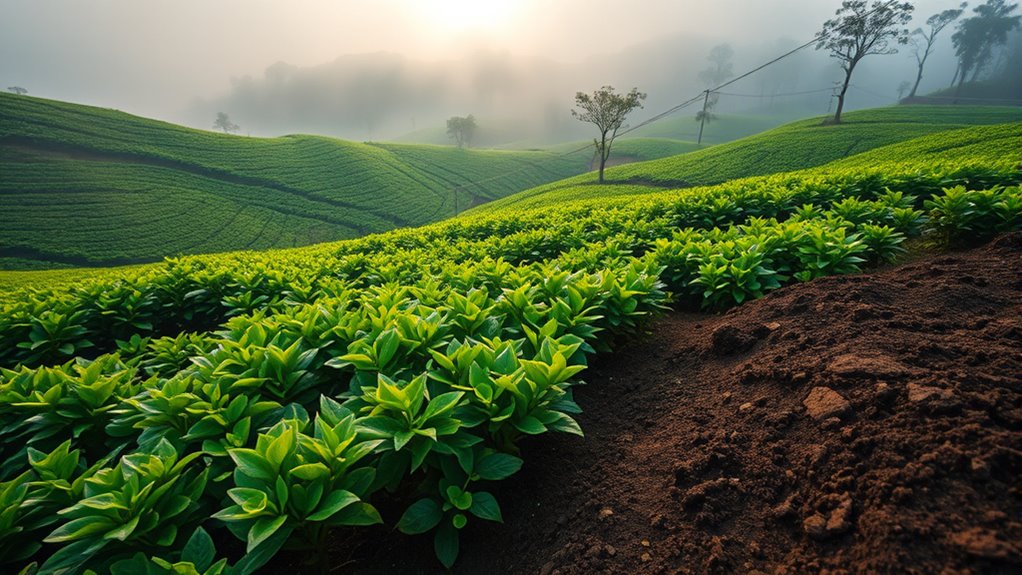
Have you ever wondered why wines from the same grape variety taste so different depending on where they’re made? The secret lies in something called terroir, which involves a combination of factors like soil composition and climate influence that shape the character of the grapes. When it comes to Assam, understanding how these elements work together can deepen your appreciation for its unique wines and spirits.
First, soil composition plays a pivotal role. The nutrients, minerals, and texture of the soil directly impact how grapevines grow and, ultimately, how the grapes develop flavor. In Assam, the rich alluvial soils deposited by the Brahmaputra River provide a fertile foundation for cultivation. These soils are often loamy and well-drained, allowing vines to access essential nutrients without becoming waterlogged. As a result, grapes tend to ripen evenly, developing complex flavors that reflect the soil’s mineral content. Different soil types, such as clay, sand, or silt, influence water retention and root penetration, which in turn affect the grape’s acidity, sugar levels, and aroma profile. When you taste a wine or spirit from Assam, the subtle nuances are often a reflection of this underlying soil composition.
Assam’s rich alluvial soils foster grapes with complex, mineral-infused flavors.
Climate influence is equally important. Assam’s tropical climate, characterized by high humidity, abundant rainfall, and warm temperatures, creates an environment that encourages vigorous vine growth. This climate accelerates ripening and enhances sugar accumulation but also presents challenges like disease pressure. Growers adapt by selecting hardy grape varieties and employing specific viticultural practices to balance the effects of climate. The seasonal variations—hot summers, monsoon rains, and cooler winters—shape the grape’s development and influence the final taste. For example, the humidity can heighten the fruit’s juiciness and freshness, while the warm temperatures help develop ripe, lush flavors. When you sip on an Assam wine or spirit, you’re experiencing the combined result of these climate influences, which lend a distinctive character that’s hard to replicate elsewhere.
Together, soil composition and climate influence create a unique terroir that gives Assam’s wines and spirits their signature qualities. As a consumer, understanding this interplay helps you recognize why two products made from the same grape variety can taste worlds apart depending on where they come from. It’s not just about the ingredients but also about how the land and weather shape what’s inside the bottle. Additionally, soil microbiology further impacts vine health and grape quality, adding another layer of complexity to Assam’s terroir. When you explore Assam’s offerings, notice how the earthy, mineral notes mingle with the warm, tropical fruit flavors—each a reflection of its terroir. Appreciating these factors enhances your experience and deepens your connection to the land and tradition behind every sip.
Frequently Asked Questions
How Does Soil Composition Influence Assam’s Unique Flavors?
Soil composition directly influences Assam’s unique flavors by shaping the taste profile of its tea. Your soil’s mineralogy provides essential nutrients that enhance flavor complexity, while microbial diversity fosters beneficial fermentation processes. These elements work together, giving Assam tea its distinctive aroma and robust character. As a tea lover, you can appreciate how the soil’s natural qualities contribute to the rich, vibrant flavors you enjoy in every cup.
What Role Does Climate Play Alongside Soil in Terroir?
Imagine the secret behind Assam’s distinctive flavors—climate variability and weather patterns. You might wonder how they shape terroir just as much as soil. These elements influence temperature, rainfall, and humidity, creating a dynamic environment that interacts with the soil’s composition. This interplay determines the growth cycles, plant stress levels, and ultimately, the unique taste profiles. So, climate isn’t just background; it’s a essential ingredient in Assam’s flavorful story.
How Does Soil Health Affect Crop Sustainability in Assam?
Soil health directly impacts crop sustainability in Assam by maintaining soil fertility, which guarantees your crops get the necessary nutrients. When the soil is rich and healthy, your plants become more resilient to pests, diseases, and environmental stresses. You need to focus on sustainable practices like crop rotation and organic amendments to preserve soil vitality. Healthy soil supports consistent yields, helping you achieve long-term crop resilience and farm productivity.
Can Soil Differences Alter Tea and Rice Qualities in Assam?
Yes, soil differences can definitely alter tea and rice qualities in Assam. You’ll notice that variations in soil fertility and mineral content influence flavor, aroma, and texture. Richer soils with balanced nutrients tend to produce higher-quality crops, while mineral-rich soils can enhance unique characteristics. By understanding these soil differences, you can better manage cultivation practices to improve crop quality and guarantee a distinct regional identity for Assam’s tea and rice.
Are There Specific Soil Types Linked to Prized Assam Products?
Think of soil types like a recipe for a perfect dish. Certain soil mineralogy in Assam encourages robust root development, which directly influences the quality of prized tea and rice. Loamy, well-drained soils rich in minerals foster healthier plants and better flavors. So, yes, specific soil types are linked to these prized products, making the soil’s composition essential to Assam’s renowned agricultural excellence.
Conclusion
By understanding Assam’s unique soil, you see how terroir shapes its flavors and character. Think of the land as a silent artist, quietly influencing every sip and bite. When you appreciate the soil’s role, you grasp why Assam’s products are so distinct. This connection helps you truly value the land’s importance, turning a simple ingredient into a memorable experience. So, next time you enjoy Assam’s flavors, remember it’s the soil that truly makes the difference.
Halloween Picks
halloween
As an affiliate, we earn on qualifying purchases.