
Tea supports your body’s antioxidant defenses by providing compounds like polyphenols that fight oxidative stress. These plant-based antioxidants neutralize free radicals, which can damage cells and DNA, helping reduce aging and disease risks. The type of tea and how you prepare it influence its antioxidant power—green tea with its catechins, for example, retains more benefits. To maximize these protective effects, understanding processing and brewing techniques is essential; explore further to access tea’s full potential.

Get coffee and tea gear delivered free with Prime
- Fast, free delivery on millions of items
- Prime Video, Amazon Music and more included
- Member-only deals all year
Key Takeaways
- Tea contains polyphenols, natural antioxidants that neutralize free radicals and reduce oxidative stress in the body.
- The processing method (green, black, oolong) influences the types and potency of antioxidants in tea.
- Proper brewing techniques optimize the extraction of antioxidants, enhancing tea’s health benefits.
- Polyphenols in tea help lower inflammation, supporting heart health and reducing disease risk.
- Consuming a variety of tea types and preparing them correctly maximizes their antioxidant properties.

Tea has long been celebrated for its health benefits, particularly its ability to support the body’s antioxidant defenses. When you drink tea, you’re introducing compounds that actively combat oxidative stress, which is linked to aging and various chronic diseases. Central to this protective effect are polyphenols, a group of plant-based antioxidants found abundantly in tea leaves. These polyphenol benefits are significant because they neutralize free radicals—unstable molecules that damage cells and DNA. By doing so, they help reduce inflammation and lower your risk of developing conditions like heart disease and certain cancers. But it’s not just about what’s in the tea; how the tea is processed plays a vital role in determining its antioxidant potency. The journey from fresh leaves to your cup involves several steps, each impacting the levels of polyphenols and other beneficial compounds.
Tea processing methods, such as oxidation, fermentation, and drying, directly influence the polyphenol benefits you receive. For example, green tea undergoes minimal oxidation, which helps preserve its natural polyphenol content, making it rich in catechins—a type of polyphenol known for potent antioxidant effects. On the other hand, black tea experiences full oxidation, transforming its polyphenols into theaflavins and thearubigins, which still offer antioxidant properties but with slightly different health benefits. Oolong tea falls somewhere in between, with partial oxidation that balances the types of polyphenols present. So, when you choose a type of tea, consider how its processing impacts the antioxidant compounds you’re consuming. Proper processing guarantees that you maximize the polyphenol benefits, giving your body more of these protective molecules.
Additionally, the way tea is brewed can influence how much of these antioxidants you extract. Steeping at the right temperature and for the appropriate duration ensures you get the most polyphenols from your tea leaves. Over-brewing or using water that’s too hot can sometimes degrade these compounds, reducing their effectiveness. Conversely, a careful brewing process helps preserve the delicate polyphenols, allowing you to enjoy their full antioxidant benefits. Understanding how tea processing affects polyphenol content helps you make smarter choices—whether selecting green, black, or oolong tea—and encourages proper brewing techniques to maximize health benefits. Ultimately, by paying attention to both the type of tea you drink and how you prepare it, you harness the full power of tea’s natural antioxidants to support your overall health.
Products Worth Considering

Weber Searwood 600 Wood Pellet Smoker Grill, Black
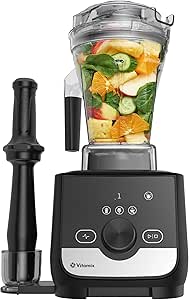
Vitamix Ascent X3 Professional-Grade Blender, 3 Programs, Shadow Black

Vitamix Propel Series 510 Professional-Grade Blender, 3 Programs, Black
As an affiliate, we earn on qualifying purchases.
Frequently Asked Questions
Can Different Tea Types Have Varying Antioxidant Effects?
Yes, different tea types can have varying antioxidant effects because of their unique tea polyphenols content. Green tea is rich in catechins, while black tea contains theaflavins, each offering different antioxidant benefits. Brewing methods also matter; steeping time and temperature affect polyphenol extraction. You can maximize antioxidants by choosing the right tea and brewing it properly, ensuring you get the most health benefits from each cup.
How Much Tea Should I Drink Daily for Health Benefits?
They say, “An ounce of prevention is worth a pound of cure.” For health benefits, aim for about 3 to 4 cups of tea daily, which provides a good amount of antioxidants. Your daily intake of tea should be moderate—around 300-400 milligrams of caffeine—to avoid side effects. Listen to your body, and remember that consistency in tea consumption helps maximize its antioxidant benefits.
Do Tea Antioxidants Degrade Over Time or With Brewing?
Tea antioxidants can degrade over time, especially if stored improperly. Poor storage effects, like exposure to light, heat, or moisture, reduce antioxidant stability, diminishing health benefits. Brewing fresh tea preserves more antioxidants, as they’re sensitive to heat and oxidation. To maximize antioxidant levels, keep tea in airtight containers in a cool, dark place, and enjoy it soon after brewing for ideal health benefits.
Are There Any Side Effects From High Tea Antioxidant Intake?
They say too much of a good thing can be harmful, and the same applies to tea antioxidants. If you consume a tea overdose, you might experience side effects like stomach upset or antioxidant imbalance, which could interfere with nutrient absorption. While tea is beneficial, moderation is key. Keep your intake reasonable to enjoy the health perks without risking adverse effects.
How Does Tea Compare to Other Antioxidant-Rich Foods?
Tea, rich in tea polyphenols, offers potent antioxidants that compare favorably to other antioxidant-rich foods like berries and dark chocolate. While these foods provide diverse antioxidants, tea’s unique compounds support your body’s defense against oxidative stress. You get a quick, convenient way to boost antioxidants, and regular tea consumption can complement a balanced diet. Overall, tea holds its own in antioxidant comparison, making it a smart addition to your health routine.
Conclusion
Think of tea as a vibrant shield, quietly defending your body from harmful free radicals. By sipping on its rich antioxidants, you’re giving your health a steady boost, like planting seeds of wellness that grow stronger with every cup. So, make tea your daily partner in the fight for better health, nourishing your body from the inside out. Embrace this simple ritual and let it be your invigorating armor against life’s stresses.