
African tea isn’t just about the drink; it’s a vibrant mix of tradition, culture, and modern farming that impacts communities and shapes identities. You’ll find it grown in lush highlands like Kenya and Rwanda, where careful plucking, fermentation, and drying create unique flavors. Tea here symbolizes hospitality, respect, and resilience, serving as a social bond and cultural pride. Explore further to uncover how these stories continue to evolve and influence local lives.

Get coffee and tea gear delivered free with Prime
- Fast, free delivery on millions of items
- Prime Video, Amazon Music and more included
- Member-only deals all year
Key Takeaways
- African tea cultivation combines traditional techniques with modern practices, shaping landscapes and local economies.
- It provides livelihoods and fosters community resilience through sustainable farming and trade.
- Tea holds deep cultural significance as a symbol of hospitality, social bonding, and national pride.
- The production process involves careful plucking, fermentation, and drying, creating unique flavors.
- Tea traditions vary across communities, reflecting diverse customs that strengthen social ties and cultural identity.
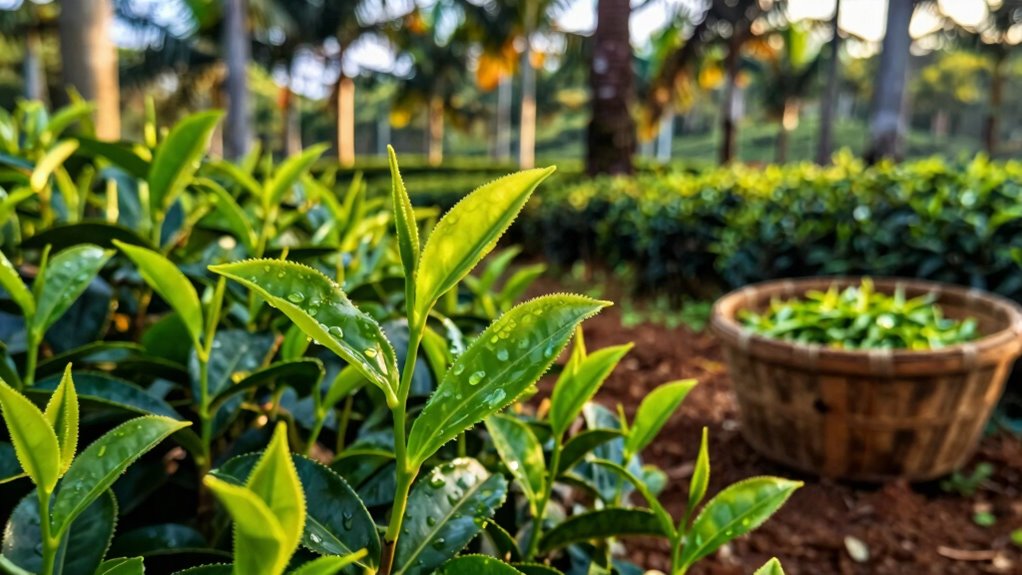
Have you ever wondered what truly lies behind the popular image of African tea? It’s more than just a beverage; it’s a story woven into the fabric of the continent’s history and daily life. When you think about African tea, you might picture lush green plantations stretching across rolling hills, but the reality involves much more intricate layers. Tea cultivation in Africa isn’t just an economic activity—it’s a tradition that’s deeply rooted in local cultures and communities. From the highlands of Kenya to the lush slopes of Rwanda, tea farming has shaped the landscape and provided livelihoods for countless families. You might not realize it, but the way tea is cultivated reflects a blend of modern agricultural practices and age-old techniques passed down through generations. The process involves careful plucking, precise fermentation, and expert drying, all of which contribute to the unique flavors that African teas are known for. As you sip that cup of tea, think about the hands that picked and processed each leaf, often working in harmony with nature’s rhythm. Additionally, sustainable agricultural practices are increasingly being adopted to preserve the environment while supporting local communities.
Beyond the fields, tea holds significant cultural importance. It’s more than a commodity; it’s a symbol of hospitality, community, and social bonding. In many African societies, offering a cup of tea signifies respect and friendship. It’s common to see tea served during social gatherings, family visits, and important ceremonies. The act of sharing tea can break down barriers, fostering conversation and unity among diverse groups. This cultural significance isn’t just about tradition; it’s also about identity. For many communities, tea represents resilience and pride, a way to connect with their history while adapting to modern markets. Local customs surrounding tea preparation and serving often vary, adding to the rich tapestry of African cultures.
As an affiliate, we earn on qualifying purchases.
Frequently Asked Questions
What Specific Regions in Africa Produce the Most Tea?
You’ll find the most tea cultivation in Kenya, a leading African producer, along with regions like Malawi and Tanzania. These areas excel because of their ideal climate and fertile soil. During harvest, local farmers use traditional techniques, plucking young tea leaves by hand to guarantee quality. The combination of favorable conditions and expert harvest techniques makes these regions top producers, supplying high-quality tea to markets worldwide.
How Has African Tea Influenced Global Markets?
African tea markedly influences global markets through its growing tea exports and evolving market trends. You see, countries like Kenya and Ethiopia have boosted their tea exports, meeting international demand and shaping global supply chains. This expansion impacts prices and trade balances worldwide. As African tea gains recognition, it also pushes market trends toward sustainable and fair trade practices, further integrating the continent into the global tea economy and influencing consumer preferences globally.
Are There Unique Traditional Methods of Tea Cultivation in Africa?
Like a finely woven tapestry, Africa’s traditional tea cultivation is rich with unique methods. You’ll find cultural brewing techniques passed down through generations, often intertwined with ritual ceremonies that honor the land and its harvest. Farmers may handpick leaves meticulously or use age-old fermentation processes, creating a deep connection between nature and tradition. These practices make African tea not just a beverage, but a vibrant cultural experience that embodies history and community.
What Health Benefits Are Associated With African Tea Varieties?
African tea varieties often offer impressive health benefits, especially as herbal infusions. You can enjoy their antioxidant properties, which help fight free radicals and boost your immune system. Many traditional African teas also support digestion, reduce inflammation, and enhance mental clarity. By incorporating these teas into your routine, you’ll benefit from natural remedies that promote overall well-being, making them a valuable addition to a healthy lifestyle.
How Does African Tea Production Impact Local Communities?
Like a nourishing river, African tea production flows through local communities, shaping their economic sustainability and cultural heritage. When you support this industry, you help create jobs, boost local economies, and preserve age-old traditions. This vibrant tapestry of labor and legacy not only sustains families but also enriches the region’s identity. Your involvement guarantees that the roots of African tea grow strong, nurturing both people and tradition for generations to come.
Conclusion
So, next time you sip that steaming cup of African tea, remember how a chance meeting decades ago sparked a global journey. It’s funny how a simple coincidence can turn into a thriving industry, connecting distant lands and stories. Your favorite brew isn’t just a drink — it’s a rich tapestry woven with history, luck, and the unbreakable spirit of those who grow it. Cheers to uncovering the unexpected stories behind every sip!
Halloween Picks
halloween
As an affiliate, we earn on qualifying purchases.