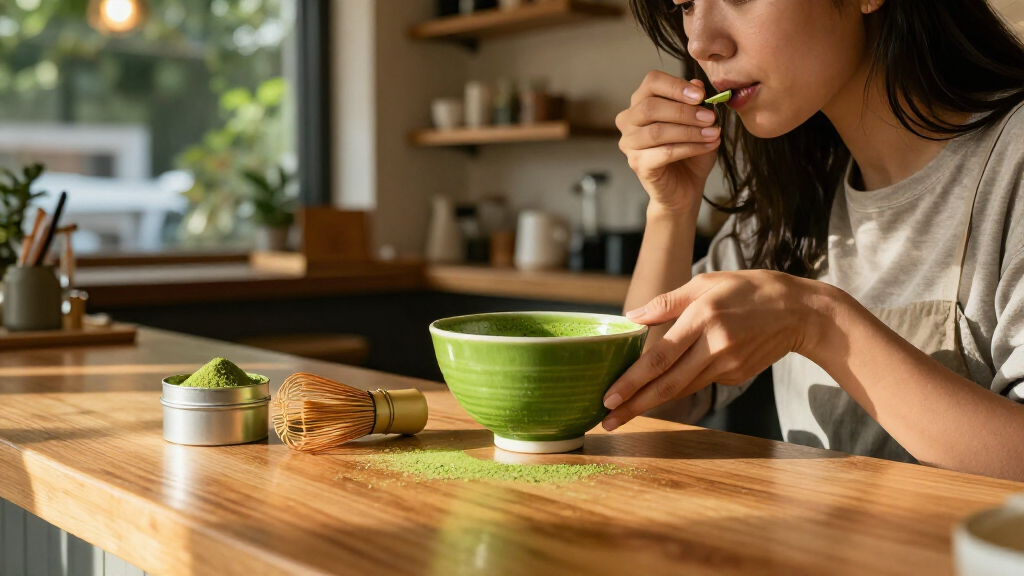

Choosing the right matcha tea powder depends heavily on whether you plan to whisk it into a traditional bowl or blend it into smoothies and baked goods. Naoki Superior Blend Ceremonial Grade Matcha stands out as the best overall pick for its vibrant color and smooth, umami-rich flavor profile, making it ideal for purists. For those focused on high-volume culinary uses, Jade Leaf Organic Culinary Grade Matcha Powder offers consistent quality and accessible packaging sizes. The main tradeoff you will face is between ceremonial grade options that offer delicate sweetness and culinary grade powders that provide stronger, more bitter notes suitable for mixing with milk or sugar. Continue reading to see how these options compare in terms of origin, processing, and specific use cases.

Get coffee and tea gear delivered free with Prime
- Fast, free delivery on millions of items
- Prime Video, Amazon Music and more included
- Member-only deals all year
Complete the kit


Key Takeaways
- Ceremonial grade matcha commands a higher price due to hand-picked leaves and stone grinding, resulting in a smoother texture and less astringency than culinary grades.
- Culinary grade matcha is not inferior in safety but differs in harvest timing; later harvests have higher tannins that hold up better against heat and sweeteners.
- Packaging size matters for freshness; smaller tins like the 30 g options preserve vibrant color and aroma better than large bulk bags if you drink matcha infrequently.
- USDA Organic certification is common across this lineup, but origin transparency (specifically Uji or Nishio regions) often correlates with better flavor complexity.
- Color is a primary visual indicator of quality; bright jade green signifies high chlorophyll content and shade-growing techniques, while dull yellow-green indicates older leaves or oxidation.


| matcha tea powder | Origin | Grade | Weight | Servings |
|---|---|---|---|---|
| Organic Culinary Grade Matcha | — | — | 1 lb (454 g) | 151 |
| Uji Ceremonial Grade Matcha Po | Uji, Japan | Ceremonial | — | — |
| Chaism Organic Ceremonial Grad | Hangzhou, China | Ceremonial | — | 15 |
| Organic Japanese Culinary Grad | Japan | Culinary | 1 lb (454 g) | — |
| Naoki Superior Blend Ceremonia | Uji, Kyoto, Japan | Ceremonial | 100 g (3.5 oz) | — |
| Organic Matcha Green Tea Powde | — | Culinary | 2 lb | Approximately 302 |
| Matcha DNA USDA Organic Matcha | — | — | — | — |
| Organic Culinary Grade Matcha | — | — | 2 lb | 302 |
| Micro Ingredients Organic Japa | Japan | Culinary | 1 lb | 151 |
| Jade Leaf Organic Culinary Gra | — | — | — | — |
| Jade Leaf Organic Culinary Gra | Japan (Uji and Kagoshima) | Culinary | — | — |
| Naoki Superior Blend Japanese | Uji, Kyoto, Japan | — | — | Approximately 20 |
More Details on Our Top Picks
Organic Culinary Grade Matcha Green Tea Powder, 1 lb
This 1 lb bulk option is engineered for high-volume consumers who prioritize quantity over nuanced flavor profiles. Unlike the Uji Ceremonial Grade Matcha Powder, which focuses on delicate, whisked tea experiences, this culinary grade powder is designed to withstand the heat and sugar of lattes, smoothies, and baking without losing its identity. The stone-ground texture ensures it mixes reasonably well, but it lacks the creamy, clump-free finish of higher grades. It is a pragmatic choice for households that go through matcha quickly, offering 151 servings in a single container. However, those seeking a standalone tea experience will find the flavor too astringent and grassy compared to ceremonial options.
Pros:- Extremely cost-effective with 151 servings per bag
- Versatile enough for baking, smoothies, and milk-based drinks
- Third-party lab tested for purity and allergen safety
Cons:- Astringent flavor profile unsuitable for traditional tea preparation
- Larger particle size compared to premium ceremonial grades
- No specific origin details provided beyond ‘Japanese green tea leaves’
Best for: Home bakers and daily latte drinkers who consume large quantities and want the lowest cost per serving.
Not ideal for: Tea purists who drink matcha whisked with water, as the culinary grade lacks the smooth, umami-rich profile required for solo sipping.
- Weight:1 lb (454 g)
- Servings:151
- Type:Culinary grade matcha powder
- Source:Japanese green tea leaves
- Processing:Fine stone-ground
- Dietary details:Unsweetened, zero sugar, vegan
- Testing:Third-party lab tested
Our verdict“Choose this if you need a reliable, affordable workhorse for baking and milky drinks.”
Uji Ceremonial Grade Matcha Powder, 30 g
Sourced directly from Uji, Japan, this powder represents the gold standard for traditional matcha preparation. The 5–20 micron particle size creates a remarkably smooth, velvety texture that dissolves instantly, a stark contrast to the grainier Organic Culinary Grade Matcha Green Tea Powder. Its jade-green color and deep umami flavor make it ideal for whisking with hot water, where subtle notes shine. The airtight, light-proof pouch is a smart inclusion, protecting delicate compounds from oxidation. However, the 30 g package is quite small, disappearing quickly if you drink daily. It is a luxury item meant for savoring, not for masking flavors in smoothies or baked goods.
Pros:- Authentic Uji origin provides superior umami and smoothness
- Ultra-fine 5–20 micron grind prevents clumping
- Specialized light-proof packaging preserves freshness effectively
Cons:- Small 30 g quantity offers limited servings
- Higher cost per gram compared to culinary grades
- Flavor nuances are lost when mixed with strong ingredients like milk or sugar
Best for: Matcha enthusiasts who drink tea traditionally and value the specific terroir of Uji, Japan.
Not ideal for: Budget-conscious buyers or those who use matcha primarily for baking, as the small quantity and high-grade flavor are wasted in cooked applications.
- Origin:Uji, Japan
- Grade:Ceremonial
- Net weight:30 g (1.06 oz)
- Grinding method:Traditional granite stone-ground
- Particle size:5–20 microns
- Packaging:Airtight, light-proof pouch
Our verdict“The definitive choice for purists who want an authentic, whisked tea experience.”
Chaism Organic Ceremonial Grade Matcha Powder
This USDA Organic matcha from Hangzhou, China, offers a compelling alternative for those who prioritize sustainability and simplicity. The airtight reusable metal tin stands out against the plastic pouches of the Uji Ceremonial Grade Matcha Powder, reducing waste and offering a durable storage solution. The single-ingredient formula ensures no fillers, delivering a vibrant green color and mellow umami flavor. While it claims ceremonial grade, the origin differs from the Japanese varieties, resulting in a slightly different flavor profile that some may find less complex. It is a solid entry-level ceremonial option, but the 1.06 oz size limits its longevity for regular drinkers.
Pros:- Reusable airtight metal tin reduces plastic waste
- USDA Organic certification guarantees no synthetic additives
- Single-ingredient formula ensures purity and transparency
Cons:- Small 1.06 oz package is insufficient for daily consumption
- Energy claims lack independent substantiation
- Hangzhou origin may not appeal to purists seeking Japanese terroir
Best for: Eco-conscious consumers who prefer reusable packaging and are curious about Chinese-origin ceremonial matcha.
Not ideal for: Those seeking the distinct, grassy-sweet profile of Japanese Uji matcha, as the Hangzhou origin offers a different taste experience.
- Origin:Hangzhou, China
- Grade:Ceremonial
- Certification:USDA Organic
- Ingredients:100% organic matcha powder
- Package size:1.06 oz
- Servings:15
- Packaging:Airtight reusable metal tin
Our verdict“A sustainable, clean-label option for those who value packaging and organic certification.”
Organic Japanese Culinary Grade Matcha Green Tea Powder, 1 lb (454 g)
This 1 lb organic matcha strikes a balance between the bulk utility of the Organic Culinary Grade Matcha Green Tea Powder and strict dietary standards. Sourced from Japan, it offers a cleaner taste than generic culinary blends, making it suitable for both drinks and baking. The third-party lab testing and extensive allergen-free claims (no gluten, soy, nuts) make it a safe choice for households with dietary restrictions. While it lacks the creamy texture of the Naoki Superior Blend, its zero sugar and non-GMO profile provide peace of mind. It is a versatile pantry staple, though the culinary grade means it will still taste bitter if whisked plain.
Pros:- Extensive allergen-free certification (gluten, soy, nuts, etc.)
- Organic and non-GMO with third-party lab verification
- Large 1 lb volume supports high-frequency usage
Cons:- Culinary grade results in a bitter, astringent taste when prepared as tea
- Contains caffeine, which may limit evening consumption
- No specific harvest date or region details provided
Best for: Families with dietary restrictions who need a large, versatile supply of organic matcha for various recipes.
Not ideal for: Individuals who drink matcha straight as a tea, as the culinary grade lacks the sweetness and smoothness of ceremonial blends.
- Weight:1 lb (454 g)
- Origin:Japan
- Grade:Culinary
- Certification:Organic
- Serving size:3 g (1 scoop)
- Servings per jar:151
- Sugar:0 g
- Dairy:None
- Testing:Third-party lab tested
Our verdict“The safest, most versatile bulk option for households with diverse dietary needs.”
Naoki Superior Blend Ceremonial Grade Matcha, 100g
This 100 g blend from Uji and Kyoto offers a middle ground between the tiny 30 g pouches and the large bulk bags. The airtight packets ensure that every serving remains fresh, addressing a common flaw in larger containers where the bottom layer degrades. Its smooth, balanced flavor with a hint of bitterness appeals to those who find ceremonial matcha too sweet or one-dimensional. Compared to the Chaism Organic Ceremonial Grade Matcha Powder, this Japanese blend offers more complexity and a richer umami profile. However, the hint of bitterness might deter beginners, and the 50-serving count means it runs out faster than bulk culinary options.
Pros:- Individual airtight packets maximize shelf life and freshness
- Balanced flavor profile with complex umami and mild bitterness
- Sourced from premium Uji and Kyoto regions
Cons:- Noticeable bitterness may be off-putting to new users
- 50 servings is a modest quantity for daily drinkers
- Price point is higher than culinary grades without bulk discounts
Best for: Intermediate matcha drinkers who want quality Japanese tea without committing to expensive, tiny quantities.
Not ideal for: Those who prefer a completely sweet, creamy matcha, as this blend retains a noticeable bitter note.
- Weight:100 g (3.5 oz)
- Origin:Uji, Kyoto, Japan
- Grade:Ceremonial
- Harvest:First harvest
- Serving size:2 g (1 tsp)
- Servings per package:50
- Dietary attributes:Gluten-free, sugar-free
Our verdict“A well-rounded, fresh ceremonial option for those who appreciate nuanced flavor profiles.”
Organic Matcha Green Tea Powder, 2 lb, Culinary Grade
This 2 lb bag stands out for its sheer volume, offering approximately 302 servings in a single package. Compared to the Jade Leaf Organic Culinary Grade Matcha Powder, which comes in a tiny 30 g tin, this option is designed for daily drinkers or commercial use rather than occasional sippers. The powder is certified organic and third-party lab tested, providing peace of mind regarding purity. However, as a culinary grade product, it lacks the delicate sweetness and vibrant color of ceremonial grades like the Uji Ceremonial Grade Matcha Powder. It is best mixed into smoothies or lattes where strong milk or sweeteners mask its inherent bitterness. While the bulk size offers economy, it requires proper storage to prevent oxidation, as matcha degrades quickly once opened.
Pros:- Extremely cost-effective per serving due to bulk packaging
- Certified organic and non-GMO with third-party safety testing
- Free from major allergens like soy, dairy, and gluten
Cons:- Culinary grade flavor profile is too bitter for plain water preparation
- Large 2 lb volume increases risk of oxidation if not stored airtight
Best for: Regular matcha drinkers, smoothie enthusiasts, or small cafes needing a cost-effective, high-volume supply.
Not ideal for: Occasional users or purists who want to drink it plain, as the large quantity may stale before finishing.
- Weight:2 lb
- Grade:Culinary
- Harvest:First harvest
- Ingredients:Organic matcha green tea powder
- Servings:Approximately 302
- Serving size:About 1 scoop (3 g)
- Certifications:Certified Organic; non-GMO
- Free from:Soy, dairy, gluten, tree nuts, added sugar, artificial ingredients
- Testing:Third-party lab tested for safety, purity, and potency
Our verdict“Choose this if you consume matcha daily and prioritize value over ceremonial-grade flavor nuances.”
Matcha DNA USDA Organic Matcha Green Tea Powder, 16 oz
Matcha DNA offers a middle ground that suits most home users better than extreme bulk or tiny samples. At 16 oz, it provides enough powder for regular use without the storage anxiety associated with the 2 lb Organic Matcha Green Tea Powder, 2 lb, Culinary Grade. The powder is USDA Certified Organic and contains naturally occurring L-theanine, which promotes calm alertness. While it shares the culinary grade limitation with the Micro Ingredients Organic Japanese Matcha, its packaging is certified BPA-free, adding a layer of safety for health-conscious buyers. This option is versatile enough for lattes and baking but may lack the intense umami depth found in premium ceremonial blends like Naoki Superior Blend Ceremonial Grade Matcha. It is a reliable choice for those who want quality without committing to massive quantities.
Pros:- USDA Certified Organic with no additives or sweeteners
- 16 oz size balances longevity with freshness retention
- Packaging is certified BPA-free for safer storage
Cons:- Culinary grade may taste too grassy or bitter for plain water preparation
- Lacks the specific flavor profile notes of single-origin ceremonial matchas
Best for: Home users who drink matcha several times a week and want a balance between quantity and freshness.
Not ideal for: Those seeking ceremonial grade quality for traditional tea ceremonies or minimal caffeine intake.
- Brand:Matcha DNA
- Product type:Matcha green tea powder
- Size:16 oz
- Certification:USDA Organic
- Dietary attributes:Gluten-free, vegan, unsweetened
- Additives:None
- Packaging:Certified BPA-free
- Testing:Third-party tested for impurities
Our verdict“This is the sensible default for most households wanting organic quality in a manageable size.”
Organic Culinary Grade Matcha Green Tea Powder, 2 lb
This 2 lb option is engineered for versatility in recipes rather than sipping. Made from early spring leaves and stone-ground, it holds up well against strong flavors in baked goods or protein shakes. When compared to the Organic Matcha Green Tea Powder, 2 lb, Culinary Grade, the product profile is nearly identical, but this listing emphasizes its zero sugar and low calorie attributes, appealing to fitness-focused consumers. It is free from a wide array of allergens, including fish and preservatives, making it safer for restricted diets. However, like other culinary grades, it will not provide the smooth, sweet experience of the Uji Ceremonial Grade Matcha Powder. The bulk size is a double-edged sword: great for value, but risky if you don’t use it quickly. It is a workhorse product, not a luxury treat.
Pros:- Free from GMOs, gluten, soy, dairy, fish, and preservatives
- High versatility for baking, smoothies, and savory applications
- Third-party lab tested for safety and purity
Cons:- Bulk 2 lb size can lead to waste if usage is infrequent
- Culinary grade bitterness requires masking with other ingredients
Best for: Bakers, meal-preppers, and fitness enthusiasts who use matcha as an ingredient rather than a standalone tea.
Not ideal for: Tea purists looking for a standalone beverage experience or those with limited storage space.
- Weight:2 lb
- Servings:302
- Serving size:1 scoop
- Type:Culinary grade matcha powder
- Source:Japanese green tea plant
- Harvest:Early spring
- Dietary attributes:Vegan, zero sugar, low calorie
- Testing:Third-party lab tested
- Free from:GMOs, gluten, soy, dairy, fish, preservatives, and fillers
Our verdict“Buy this if you use matcha primarily as a functional ingredient in food and drink mixes.”
Micro Ingredients Organic Japanese Matcha Green Tea Powder, First Harvest, Culinary Grade, 1 lb
Micro Ingredients hits a sweet spot for those who want bulk savings without the 2 lb commitment. At 1 lb, it offers 151 servings, making it easier to keep fresh compared to the Organic Culinary Grade Matcha Green Tea Powder, 2 lb. The powder is sourced from first-harvest early spring leaves in Japan, which typically yields a better color and flavor profile than later harvests. It is USDA organic and free from common allergens, aligning with strict dietary needs. While it is still a culinary grade, meaning it may taste more astringent than the Naoki Superior Blend Ceremonial Grade Matcha, it is an excellent upgrade from generic grocery store matcha. This size is ideal for individuals or small households who want quality without the storage hassle of larger bags.
Pros:- 1 lb size offers better freshness management than 2 lb bulk bags
- First-harvest sourcing provides superior color and flavor to later harvests
- USDA organic and free from soy, dairy, gluten, and tree nuts
Cons:- Culinary grade is not suitable for traditional whisked tea preparation
- Contains natural caffeine which may affect sensitive individuals
Best for: Individuals or couples who drink matcha daily but want to avoid the storage and oxidation risks of 2 lb bags.
Not ideal for: Commercial users or large families who would run through this quantity too quickly, necessitating frequent reorders.
- Weight:1 lb
- Servings:151
- Origin:Japan
- Harvest:First harvest, early spring
- Grade:Culinary
- Certification:USDA organic
- Flavor:Unflavored
- Dietary exclusions:Soy, dairy, gluten, and tree nuts
Our verdict“The ideal choice for daily drinkers who want organic quality in a manageable, fresh-keeping size.”
Jade Leaf Organic Culinary Grade Matcha Powder, 30 g
Jade Leaf’s 30 g tin is the perfect entry point for those unsure about matcha. Unlike the massive 2 lb bags from Organic Matcha Green Tea Powder, 2 lb, Culinary Grade, this small package allows you to test the flavor without a significant financial or storage commitment. The powder is sourced from Uji and Kagoshima, regions known for high-quality tea, and offers a vibrant green color and smooth texture for its grade. While it cannot compete with the depth of Chaism Organic Ceremonial Grade Matcha Powder, it is far superior to low-grade culinary powders. It is best used for lattes or baking where a small amount goes a long way. This is not a value pick; it is a trial size. If you enjoy it, you will need to look elsewhere for bulk options.
Pros:- Ideal size for testing flavor and quality before buying bulk
- Sourced from reputable regions Uji and Kagoshima in Japan
- USDA-certified organic with no added ingredients
Cons:- Very small quantity results in a high cost per serving
- Culinary grade may still be too bitter for plain tea preparation
Best for: Beginners wanting to try matcha for the first time or those who use it very infrequently.
Not ideal for: Daily drinkers or bakers, as the 30 g tin will be exhausted after about 10 servings.
- Brand:Jade Leaf
- Product type:Culinary grade matcha powder
- Net weight:30 g (1.06 oz)
- Certification:USDA Organic
- Ingredients:Pure green tea leaves
- Dietary attributes:Vegan, naturally gluten-free
- Sourcing regions:Uji and Kagoshima, Japan
Our verdict“Purchase this tin only if you are new to matcha and want to gauge your preference before investing in larger quantities.”
Jade Leaf Organic Culinary Grade Matcha Powder, 100 g (3.53 oz)
This Jade Leaf Organic Culinary Grade Matcha stands out for its versatility in recipes rather than pure tea drinking. Unlike the Naoki Superior Blend, which focuses on delicate flavor profiles for sipping, this powder is engineered to withstand heat and mixing with other ingredients. The single-ingredient formulation ensures no artificial additives interfere with your baked goods, making it a reliable choice for muffins, cookies, or lattes. However, because it is culinary grade, it lacks the subtle sweetness and vibrant color of ceremonial options. It is best suited for those who prioritize functional benefits and bold flavor over traditional tea ceremony aesthetics. The packaging clarity issue noted in the description requires checking the actual product label upon arrival.
Pros:- USDA Organic certification ensures clean sourcing
- Single-ingredient list avoids hidden additives or sweeteners
- Robust flavor profile holds up well in baking and mixing
- Free from common allergens like gluten and dairy
Cons:- Culinary grade lacks the smoothness required for traditional tea ceremonies
- Discrepancy between title weight and description causes packaging confusion
Best for: Home bakers and smoothie enthusiasts who need a robust, organic matcha that holds up well when mixed with sugar, flour, or milk.
Not ideal for: Traditional tea drinkers seeking a delicate, sweet ceremonial experience, as the flavor is too strong and bitter for plain hot water.
- Net Weight:100 g (3.53 oz)
- Origin:Japan (Uji and Kagoshima)
- Grade:Culinary
- Certifications:USDA Organic, Vegan, Gluten-Free
- Ingredients:100% Organic Matcha Green Tea Powder
- Recommended Use:Baking, smoothies, lattes
Our verdict“Choose this if you bake with matcha or make sweetened lattes, but skip it if you drink it plain.”
Naoki Superior Blend Japanese Matcha, 40 g
The Naoki Superior Blend offers a balanced introduction to higher-quality matcha without the steep learning curve or price of premium ceremonial tins. Sourced from first-harvest, shade-grown leaves in Uji, it delivers a smoother umami profile compared to the Jade Leaf Culinary Grade, which is better suited for masking flavors in baking. This tin provides approximately 20 servings, making it an excellent trial size for those new to matcha who want to experience authentic Japanese tea characteristics. While it includes a slight bitterness typical of genuine matcha, it is far more approachable than lower-grade powders. The compact 40 g tin ensures freshness but requires frequent repurchasing for daily drinkers, distinguishing it from bulk options like the 1 lb culinary powders.
Pros:- Made from first-harvest leaves for superior flavor depth
- Smooth umami profile is accessible for matcha newcomers
- Compact tin size guarantees freshness for occasional use
- Includes preparation guidance to help users brew correctly
Cons:- Small 40 g quantity offers only about 20 servings
- Retains a slight bitterness that may surprise those expecting sweetness
Best for: Beginners or casual drinkers who want to experience authentic Uji matcha flavor without committing to a large, expensive tin.
Not ideal for: Heavy daily drinkers who consume multiple cups a day, as the 40 g size will run out quickly.
- Net Weight:40 g (1.4 oz)
- Origin:Uji, Kyoto, Japan
- Leaf Harvest:First Harvest (Ichibancha)
- Growing Method:Shade-grown
- Servings:Approximately 20
- Flavor Profile:Smooth umami with slight bitterness
- Dietary Notes:Gluten-free, Sugar-free
Our verdict“This is the ideal starting point for anyone wanting to taste real matcha before investing in bulk or premium tiers.”

How We Picked
I evaluated these twelve matcha powders based on three primary criteria: grade integrity, origin transparency, and value proposition. Grade integrity involved assessing whether the product clearly distinguished between ceremonial and culinary uses, as mixing these up is a common consumer error. I prioritized brands that specified their region of origin, such as Uji or Nishio, because these areas are renowned for specific terroir characteristics that affect flavor depth. Value proposition was judged not just by price per ounce, but by packaging efficiency; a large bag that loses freshness quickly is less valuable than a smaller, resealable tin. I also looked for consistency in labeling, ensuring that claims like ‘First Harvest’ or ‘Stone Ground’ were supported by brand reputation and detailed product descriptions.
| matcha tea powder | Origin | Grade |
|---|---|---|
| Organic Culinary Grade Matcha | — | — |
| Uji Ceremonial Grade Matcha Po | Uji, Japan | Ceremonial |
| Chaism Organic Ceremonial Grad | Hangzhou, China | Ceremonial |
| Organic Japanese Culinary Grad | Japan | Culinary |
| Naoki Superior Blend Ceremonia | Uji, Kyoto, Japan | Ceremonial |
| Organic Matcha Green Tea Powde | — | Culinary |
| Matcha DNA USDA Organic Matcha | — | — |
| Organic Culinary Grade Matcha | — | — |
| Micro Ingredients Organic Japa | Japan | Culinary |
| Jade Leaf Organic Culinary Gra | — | — |
| Jade Leaf Organic Culinary Gra | Japan (Uji and Kagoshima) | Culinary |
| Naoki Superior Blend Japanese | Uji, Kyoto, Japan | — |
Factors to Consider When Choosing Matcha Tea Powder
Selecting matcha is not a one-size-fits-all decision. The right choice depends on your palate, your preparation method, and how often you consume it. Here are the critical factors to weigh before purchasing.
Ceremonial vs. Culinary Grade: Understanding the Difference
The distinction between these two grades is often misunderstood as a quality hierarchy, but it is actually a flavor profile hierarchy. Ceremonial grade matcha is made from the youngest, most tender tea leaves, resulting in a subtle sweetness and minimal bitterness, which is why it is best enjoyed whisked with hot water alone. Culinary grade matcha uses older leaves and stems, creating a more robust, astringent flavor that can withstand the addition of milk, sugar, and heat without losing its identity. If you are making lattes or cookies, using expensive ceremonial matcha is a waste of money because the subtle notes are masked. Conversely, using culinary matcha for a traditional tea session will result in a bitter, unpleasant drink. Choose based on your preparation method, not just the label.
The Importance of Shade-Growing and Chlorophyll
High-quality matcha is shade-grown for several weeks before harvest. This process boosts chlorophyll production, giving the powder its vibrant green color and increasing L-theanine levels, which contribute to a calm, focused energy rather than a jittery spike. When evaluating options, look for descriptions that mention shade-grown or tencha leaves. If a powder looks dull or yellowish, it likely lacked sufficient shading or has oxidized during storage. Color is a direct proxy for freshness and processing care. A bright, electric green powder usually indicates a higher concentration of amino acids and a smoother mouthfeel, which is a key differentiator in premium blends.
Packaging and Storage: Preserving Freshness
Matcha is highly susceptible to oxidation, light, and heat, which degrade its flavor and nutritional benefits rapidly. This is why airtight, opaque containers are superior to clear bags or large, wide-mouth jars. If you buy a large bulk bag, you must be disciplined about transferring portions to a smaller, airtight tin after opening. Products like the 30 g tins offer a practical advantage for casual drinkers because they are consumed before significant oxidation occurs. For heavy users, a 1 lb bag is economical, but it requires proper storage discipline, such as keeping it in the refrigerator or freezer, to maintain quality over several months.
Origin Transparency and Regional Terroir
Not all matcha is created equal, and geography plays a massive role in flavor. Uji in Kyoto is considered the gold standard for matcha production, known for a refined, sweet, and umami-rich profile. Nishio in Aichi is another major hub, often producing matcha with a slightly more robust character suitable for culinary uses. Brands that obscure their origin often blend leaves from various regions or countries, which can lead to inconsistent flavor. I prioritized products that explicitly stated their prefecture of origin. Knowing the region helps you predict the flavor profile; Uji matcha tends to be more delicate, while other regions may offer stronger, grassier notes that pair well with baking.
Stone-Ground vs. Machine-Ground Processing
Traditional matcha is ground using granite stone mills, a slow process that prevents heat buildup, which can burn the delicate tea leaves and alter the flavor. Stone-ground matcha has a finer, more consistent particle size, leading to a smoother suspension in water and a less gritty texture. Machine-ground matcha is faster and cheaper but can result in a coarser powder that settles quickly or feels sandy. While not every product explicitly states its grinding method, premium ceremonial grades almost exclusively use stone grinding. If texture is important to you—especially for drinking straight—this is a significant factor to consider, as it directly impacts the mouthfeel of your final cup.
Frequently Asked Questions
Can I use culinary grade matcha for drinking?
You can, but the experience will likely be disappointing if you are accustomed to smooth, sweet tea. Culinary grade matcha has higher levels of tannins and catechins, which create a bitter, astringent taste that is pleasant when mixed with milk or sweeteners but harsh when consumed alone. It is designed to stand up to other ingredients in baking or lattes. If you want to drink matcha straight, you will find the bitterness of culinary grade overwhelming. For a better drinking experience, invest in a ceremonial grade option, or mix culinary grade with strong flavors like vanilla or chocolate to mask the astringency.
How long does matcha powder last after opening?
Once opened, matcha powder begins to oxidize immediately, losing its vibrant color and fresh flavor within weeks. Ideally, you should consume an opened tin within 4 to 6 weeks for the best quality. If you buy larger bags, transfer a small amount to an airtight, opaque container for daily use and store the rest in the freezer to slow down degradation. Signs that your matcha has gone stale include a shift from bright green to a dull yellow or brown, and a loss of the fresh, grassy aroma. While it remains safe to consume, the nutritional benefits and flavor profile diminish significantly over time.
Is organic certification necessary for matcha?
Organic certification is highly recommended for matcha because you are consuming the entire tea leaf, not just an infusion. Tea plants are often heavily sprayed with pesticides, and because matcha involves grinding the whole leaf into powder, any chemical residues are ingested directly. USDA Organic or equivalent certifications provide assurance that the leaves were grown without synthetic pesticides or fertilizers. While not the only marker of quality, it is a baseline for safety. If a product is not organic, you should verify the brand’s testing protocols for heavy metals and pesticide residues, as matcha can sometimes absorb environmental contaminants from the soil.
Why is my matcha clumpy and hard to whisk?
Clumping is usually caused by static electricity or moisture in the powder, not necessarily poor quality. To prevent this, always sift your matcha through a fine-mesh sieve before adding water. This breaks up clumps and aerates the powder, ensuring a smooth suspension. Additionally, use a bamboo whisk (chasen) and whisk in a ‘W’ or ‘M’ motion rather than stirring in a circle, which pushes the powder around without dissolving it. If you are using a milk frother, ensure the liquid is not boiling, as excessive heat can cause the proteins in the powder to coagulate and form lumps that are difficult to break apart.
What is the difference between First Harvest and Second Harvest matcha?
First Harvest (Ichibancha) matcha is made from the first picking of the season, usually in spring, using the youngest and most tender leaves. This results in a sweeter, more delicate flavor with a brighter green color. Second Harvest (Nibancha) occurs later in the year and uses older leaves, which tend to be more bitter, grassier, and less vibrant in color. First Harvest is typically reserved for ceremonial grade, while Second Harvest is often used for culinary grade or lower-tier ceremonial blends. If you are seeking a premium drinking experience, look for ‘First Harvest’ on the label; if you are baking, the stronger flavor of Second Harvest may actually be preferable.
Conclusion
Choosing the right matcha tea powder comes down to aligning the grade with your intended use and your budget. For the discerning drinker who values traditional flavor and smooth texture, Naoki Superior Blend Ceremonial Grade Matcha is the best overall choice, offering a refined umami profile that shines when whisked simply. If you are a baker or latte enthusiast looking for robust flavor and bulk value, Jade Leaf Organic Culinary Grade Matcha Powder provides excellent consistency and accessibility. Beginners should start with a smaller tin of ceremonial grade to appreciate the true taste of matcha before committing to larger culinary quantities. Ultimately, prioritize freshness and origin transparency over brand hype to ensure you get the most out of every scoop.